
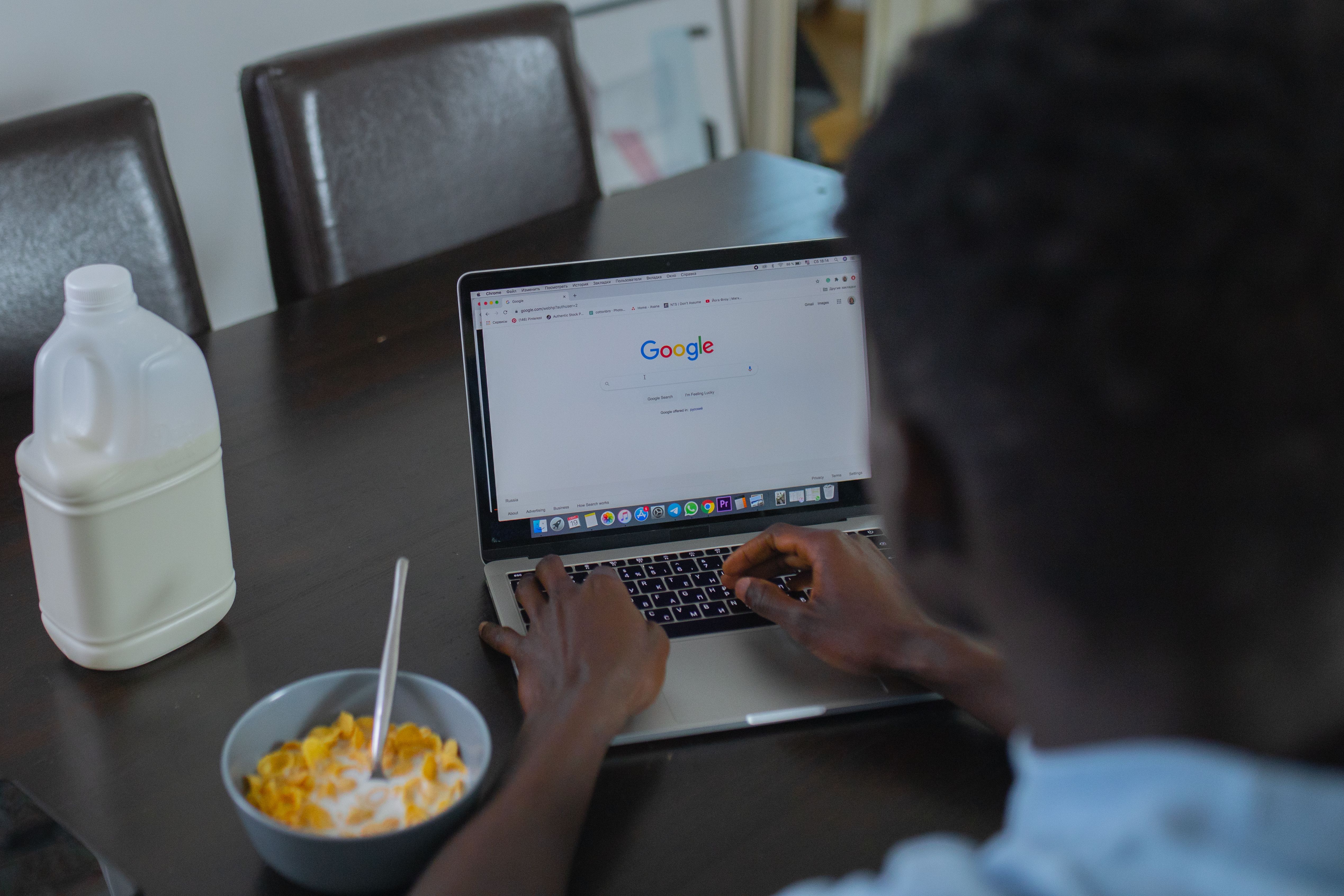
On-page SEO is the part of search optimisation you control directly on your website. It shapes how search engines understand a page and how useful that page feels to a visitor. When your content, keywords, and page structure work together, you make it easier for the right pages to appear in relevant search results.
A solid on-page SEO workflow helps website owners, bloggers, digital marketers, agencies, and businesses create pages that are clearer, more searchable, and more helpful. It does not guarantee rankings, but it does improve the foundation for organic traffic growth and stronger search visibility over time.
What On-Page SEO Workflow Means
An on-page SEO workflow is the repeatable process you follow when planning, writing, optimising, publishing, and reviewing a page. It keeps content creation aligned with keyword research, search intent, internal linking, and technical basics such as crawlability and indexing.
The main goal is simple: create pages that answer a searcher’s question better than a vague, poorly structured page. That means thinking about the topic before writing, choosing the right keyword theme, and making sure each page has a clear purpose. If you want a broader SEO overview alongside this topic, Backlink Works can be a useful SEO learning resource.
Keyword Research and Search Intent
Good on-page SEO starts with keyword research, but not in the narrow sense of chasing one exact phrase. The real task is to understand what people want when they search. A keyword may look similar across multiple pages, but the intent behind it can differ. Some searches are informational, some are commercial, and some are navigational.
Before you optimise a page, ask what the searcher expects to see. If the query is informational, the page should explain the topic clearly. If it is commercial, the content may need comparisons, benefits, or service details. Matching intent is often more important than repeating a phrase many times.
How to map keywords to pages
Choose one primary topic for each page, then support it with related phrases and questions. This prevents keyword cannibalisation, where several pages compete for the same search intent. For example, a blog post about on-page SEO workflow should not try to rank for every SEO subject under the sun. It should focus on one clear theme and support it with relevant subtopics.
Useful tools such as Google Search Console and keyword planners can help you see what people already search for, but the best results still come from thoughtful topic selection and page planning. For official guidance on how Google approaches content quality, the Google Helpful Content Guide is worth reviewing.
Content Optimisation Workflow
Once the keyword theme is set, content structure becomes the next priority. A page should be easy to skim, logical to follow, and complete enough to satisfy the searcher without unnecessary filler. Start with a strong introduction, then use headings to break the topic into digestible sections.
Place the primary keyword naturally in key areas such as the title, opening paragraph, one or more headings where it makes sense, and the body copy where relevant. Avoid forcing it into every section. Search engines are better at understanding context than they used to be, so natural language and topic depth matter more than exact repetition.
Practical content checks
- Does the page answer the main question quickly?
- Are the headings useful and descriptive?
- Is the content specific enough for the intended audience?
- Have you added examples, clarifications, or steps where needed?
- Is there anything repetitive, vague, or off-topic that should be removed?
For WordPress users, plugins such as Yoast SEO or Rank Math can help with titles, metadata, and basic content checks, but they should support your workflow rather than control it. If your content is thin or unfocused, no plugin can fix that on its own. For a practical website check before publishing, a free website SEO audit can help identify gaps in page structure, indexing, and optimisation.
Page Structure and Internal Linking
Search engines use page structure to understand what matters most on a page. Clear headings, short paragraphs, and logical sections help both users and crawlers. This is especially useful for larger websites, where structured content makes it easier to organise related pages into topic clusters.
Internal linking is one of the most practical parts of on-page SEO because it helps distribute relevance, guide users, and connect related content. Link to supporting articles, service pages, category pages, or guides where the connection is natural. Use descriptive but not over-optimised anchor text.
If your page depends on other content to explain a complex topic, link to it. If it introduces a concept that has a deeper guide elsewhere on the site, point readers there. This improves usability and can help search engines discover important pages more efficiently.
Technical On-Page Elements
On-page SEO is not only about words on the page. Technical details affect whether a page can be crawled, indexed, and experienced properly. Title tags and meta descriptions help shape click-through behaviour in search results. Canonical tags reduce duplication issues. Mobile friendliness and page speed affect user experience, especially on slower connections or smaller screens.
Core Web Vitals matter because they reflect how fast, stable, and responsive a page feels. A page that loads slowly or shifts around during loading can frustrate users even if the content is useful. Google Search Console is also important here because it helps you spot indexing and page experience issues. For speed testing, PageSpeed Insights is a helpful tool for diagnosing performance bottlenecks without treating it as a ranking shortcut.
For schema markup, use it where it genuinely adds clarity, such as articles, products, services, FAQs, or local business details. Structured data does not create authority by itself, but it can help search engines understand page content more precisely. If you need SEO support alongside technical improvements, Backlink Works may also serve as a practical organic visibility resource.
Checklist for Publishing and Review
Before publishing a page, use a simple on-page workflow checklist to keep your process consistent. This is especially useful for agencies, freelancers, and businesses managing multiple pages.
- Confirm the page has one clear primary topic.
- Check whether the content matches search intent.
- Use a descriptive title tag and meta description.
- Make headings useful and easy to scan.
- Include internal links where they genuinely help the reader.
- Review image alt text for clarity and relevance.
- Check mobile readability and page speed basics.
- Test whether the page is indexable and not blocked by technical settings.
- Set up tracking in Google Analytics and monitor key page behaviour.
- Use Google Search Console to review impressions, clicks, and indexing status after publishing.
Common Mistakes to Avoid
Many on-page SEO problems come from trying to do too much at once. One common mistake is stuffing a page with keywords instead of writing naturally. Another is building content around a keyword without checking whether the page actually meets the searcher’s intent.
Other common issues include vague headings, duplicate titles, thin content, broken internal links, and pages that are hard to read on mobile. Some website owners also forget to review indexing settings, meaning strong content may never appear in search results properly. On ecommerce sites, the same mistake often shows up in weak category descriptions or duplicate product copy.
If you are learning how to avoid these issues, the Google Search Central documentation is a reliable place to check official best practices for crawling, indexing, and helpful content.
Best Practices for Ongoing Visibility
On-page SEO is not a one-time task. Pages should be reviewed after publication so you can improve them based on search performance, user behaviour, and new information. Updating a page does not mean changing it constantly; it means refining it when the content becomes outdated, incomplete, or less relevant.
Use reporting tools to watch which pages gain impressions but not clicks, which pages receive traffic but poor engagement, and where internal links could improve discovery. For local SEO, add location details only where relevant and make sure the content serves local intent clearly. For ecommerce SEO, keep category and product pages descriptive, accurate, and easy to navigate. For AI-assisted content workflows, always review generated drafts carefully so the final page remains accurate, original, and genuinely useful.
In practice, the best workflow is steady and repeatable: research the topic, write for the user, structure the page clearly, check the technical basics, publish, then review and improve. That approach is far more sustainable than chasing shortcuts.
Conclusion
An effective on-page SEO workflow brings together content quality, keyword relevance, technical clarity, and user experience. When these pieces support each other, your pages are easier to understand, easier to navigate, and better placed to earn organic visibility over time.
There is no single on-page tactic that guarantees rankings, but a consistent workflow gives your website a much stronger foundation. Whether you manage a blog, a service site, or a larger business website, the most reliable approach is to optimise each page with purpose, review it regularly, and keep improving based on real search data.
Frequently Asked Questions
What is the first step in an on-page SEO workflow?
The first step is choosing a clear topic and understanding search intent. Before writing, decide what the page should achieve, who it is for, and what kind of answer searchers expect. That gives the page direction and helps every other optimisation decision, from headings to internal links.
How many keywords should I use on one page?
Focus on one primary keyword theme and a handful of closely related phrases. The aim is not to repeat the same phrase as often as possible, but to cover the topic naturally and thoroughly. Good on-page SEO is about relevance, clarity, and usefulness rather than keyword density.
Do title tags and meta descriptions still matter?
Yes, because they help search engines and users understand what the page is about. Title tags remain especially important, while meta descriptions can influence whether someone clicks through from search results. They should be accurate, concise, and written for people rather than stuffed with keywords.
How often should I review on-page SEO?
Review it whenever a page is published, then revisit important pages periodically based on performance and relevance. You do not need to rewrite everything constantly, but pages should be checked when search intent changes, information becomes outdated, or analytics show that improvements may be needed.
- Sponsored Ad -





