
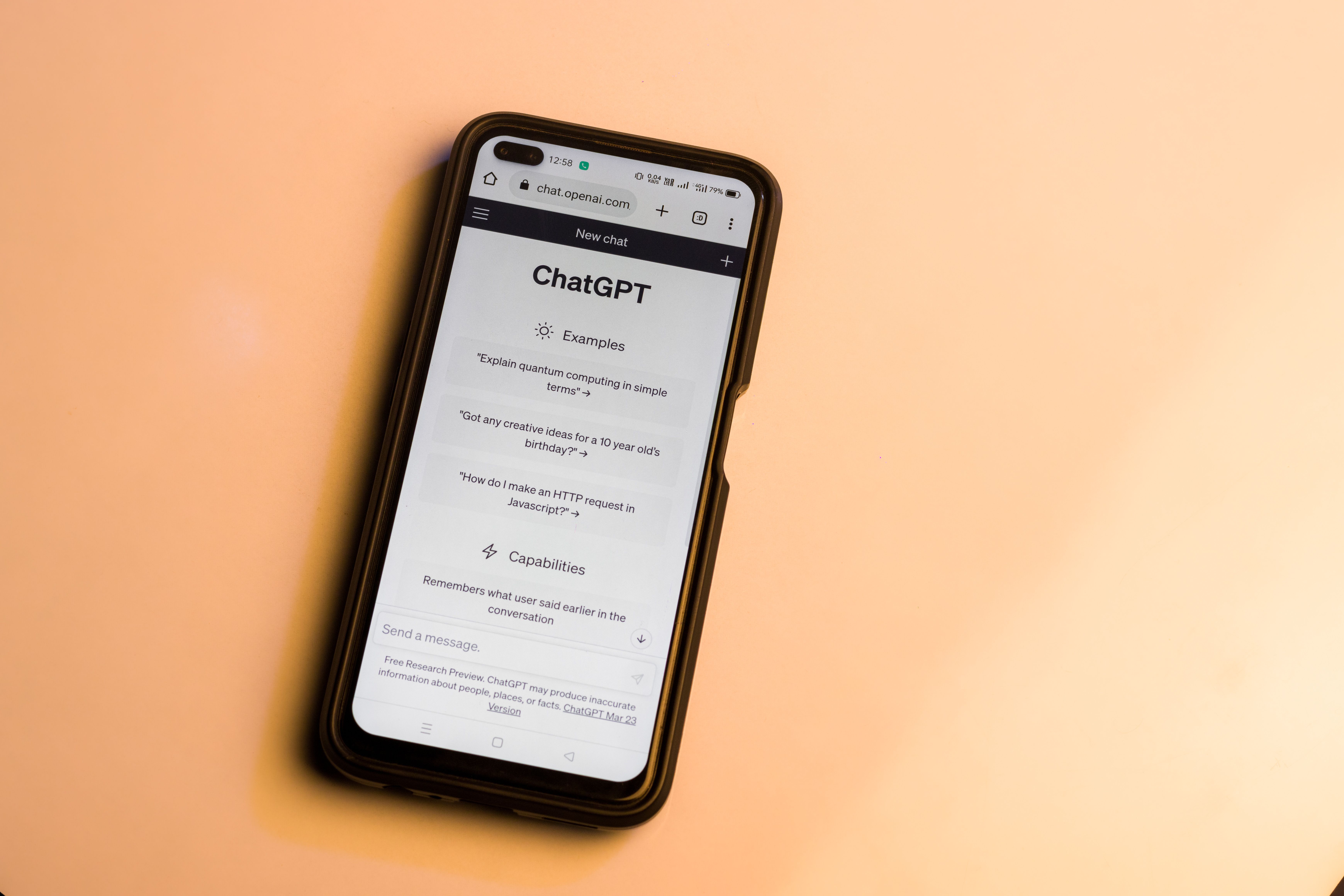
Google AI Overviews Ranking: A Practical Visibility Guide is less about chasing a single position and more about understanding how AI search reshapes discovery. Google AI Overviews, Google AI Mode, ChatGPT Search, Perplexity, Microsoft Copilot Search, Gemini and Claude can present answers differently from traditional search results, so visibility now depends on being understandable, trustworthy and technically accessible.
For website owners, this matters because AI-generated answers may influence whether a user clicks, revisits, compares brands or stops at the answer itself. Traditional SEO still matters, but it now works alongside generative search, answer engines and entity-based discovery rather than sitting apart from them.
What Google AI Overviews mean for visibility
Google AI Overviews are AI-generated summaries that may appear for some queries in Google Search. They can combine information from multiple sources and present a response above or alongside standard results. That makes them different from a simple organic listing, where one page earns a position based on search relevance and other signals.
Because the exact selection process is not fully documented publicly, no one can guarantee inclusion or citation. What we can say is that pages with strong topical relevance, clear structure, crawlability, indexability and reliable information are generally better placed to be discovered by search systems.
If you are working through a wider SEO plan, a free website SEO audit can help identify technical and content issues that may affect both traditional rankings and AI-assisted visibility.
How AI search changes the way users find information
AI search is often conversational. People ask longer, more specific questions and expect a direct answer, a comparison, or a summary with follow-up suggestions. That can change the journey from “search, scan, click” to “ask, read, refine, decide”.
Generative search and answer engines may summarise information from several pages, then add citations, brand mentions or source links. A clickable citation is not the same as a recommendation, and a mention is not the same as a visit. A referral visit only happens if the user chooses to click through.
This is why content strategy should not focus only on keywords. It should also support entity clarity, meaning the way your brand, products, authors and topics are identified consistently across the web. Search engines and AI systems use that context to understand what a page is about.
What tends to support AI search discoverability
There is no confirmed formula for AI citations, but several practical factors usually matter. Start with content quality: answer the question clearly, cover the topic fully, and avoid padding the page with generic text. Keep claims accurate and current, especially if the topic changes quickly.
Technical accessibility matters too. If a page is difficult to crawl, blocked by robots rules, hidden behind scripts, or not indexed, it is less likely to be discovered by any search system. Google’s guidance on creating helpful content is a sensible reference point because it aligns with the need for useful, people-first pages.
Structured data can also help machines interpret visible page information. It does not guarantee selection in AI Overviews or any other answer engine, but accurate schema can clarify organisation details, articles, products or local business information. Use only markup that matches the page content.
GEO, AEO and LLM visibility without the hype
Generative Engine Optimisation (GEO), Answer Engine Optimisation (AEO) and LLM visibility are useful shorthand terms, but they are not fixed standards with universally agreed ranking rules. Different marketers use them differently, and different platforms retrieve and present information in different ways.
In practice, these ideas usually overlap with established SEO, digital PR, reputation management and content strategy. That means clear headings, well-supported facts, consistent brand details, credible references and useful page layouts still matter. They can improve the chance that a model or search feature understands your content, but they do not promise visibility.
For brands reviewing backlink strategy as part of broader discoverability work, an overview of the backlink building process can be useful for understanding how authority signals fit into a wider SEO approach.
Measuring AI search traffic and brand mentions
AI search analytics are still developing. Some visits may appear in analytics as referral traffic, some as direct, and some may be difficult to identify cleanly. That means AI search visibility is often measured with a mix of referral data, landing page performance, branded queries, assisted conversions and recurring prompt themes.
Do not treat every citation as a win or every mention as evidence of success. A brand mention in an answer may be text-only, while a citation may be clickable or simply presented as a source reference, depending on the platform. Track whether users arrive, whether they engage, and whether the brand information shown is accurate.
Useful questions include: Are important pages receiving more qualified visits? Are users asking similar questions in different AI tools? Are product names, company details and author information being represented correctly? Those signals are often more meaningful than chasing a raw mention count.
Practical checks before you change your content strategy
Before rewriting pages for AI search, check the basics first. Is the page indexable? Is the main answer visible in the HTML? Is the content up to date, well sourced and easy to scan? Does the page solve a real user problem, or is it only written to attract a machine-generated citation?
It also helps to review your brand footprint. Consistent organisation details, accurate author bios, transparent editorial policies and reliable third-party references can strengthen trust. Structured data such as Organisation or Article markup may support understanding, but it should always reflect what the visitor can see on the page.
If you want a broader educational view of SEO and website visibility, the Backlink Works homepage provides general guidance across digital marketing and search growth topics without replacing the need for your own editorial judgement.
Common mistakes to avoid
One common mistake is assuming AI search works the same way everywhere. Google AI Overviews, Google AI Mode, ChatGPT Search, Perplexity, Copilot, Gemini and Claude may select, summarise and cite sources differently, and those approaches can change over time.
Another mistake is over-optimising for systems instead of helping users. Mass-generated pages, fake authority signals, deceptive schema, hidden text, cloaking, or manufactured mentions may harm trust and create quality problems. AI-generated content can be useful when it is reviewed, edited and fact-checked, but unreviewed output is risky.
Finally, do not ignore traditional SEO. Crawlability, internal linking, page speed, topical depth and clear intent remain important. AI visibility is more likely to build on strong SEO foundations than replace them.
Conclusion
Google AI Overviews Ranking: A Practical Visibility Guide is really a guide to modern search visibility. The goal is not to “beat” AI search, but to make your content easier to understand, trust and reference across changing interfaces and answer systems.
Focus on useful content, technical accessibility, accurate brand signals and careful measurement. That approach supports human readers first, while also giving your site a stronger foundation for discovery in AI-generated answers.
Frequently Asked Questions
Can I guarantee my page will appear in Google AI Overviews?
No. Google does not provide a guaranteed method for inclusion, and AI Overviews may vary by query, user intent and system behaviour.
Is AI search replacing traditional SEO?
No. Traditional SEO still matters because search engines and AI systems both rely on quality, relevance, accessibility and trust signals.
Do structured data and schema guarantee AI citations?
No. Structured data can help clarify meaning, but it does not guarantee citations, rankings or inclusion in AI-generated answers.
How should I measure visibility in answer engines?
Look at referral traffic, branded searches, landing page engagement, conversions, recurring questions and whether your brand is represented accurately in answers.
- Sponsored Ad -





