
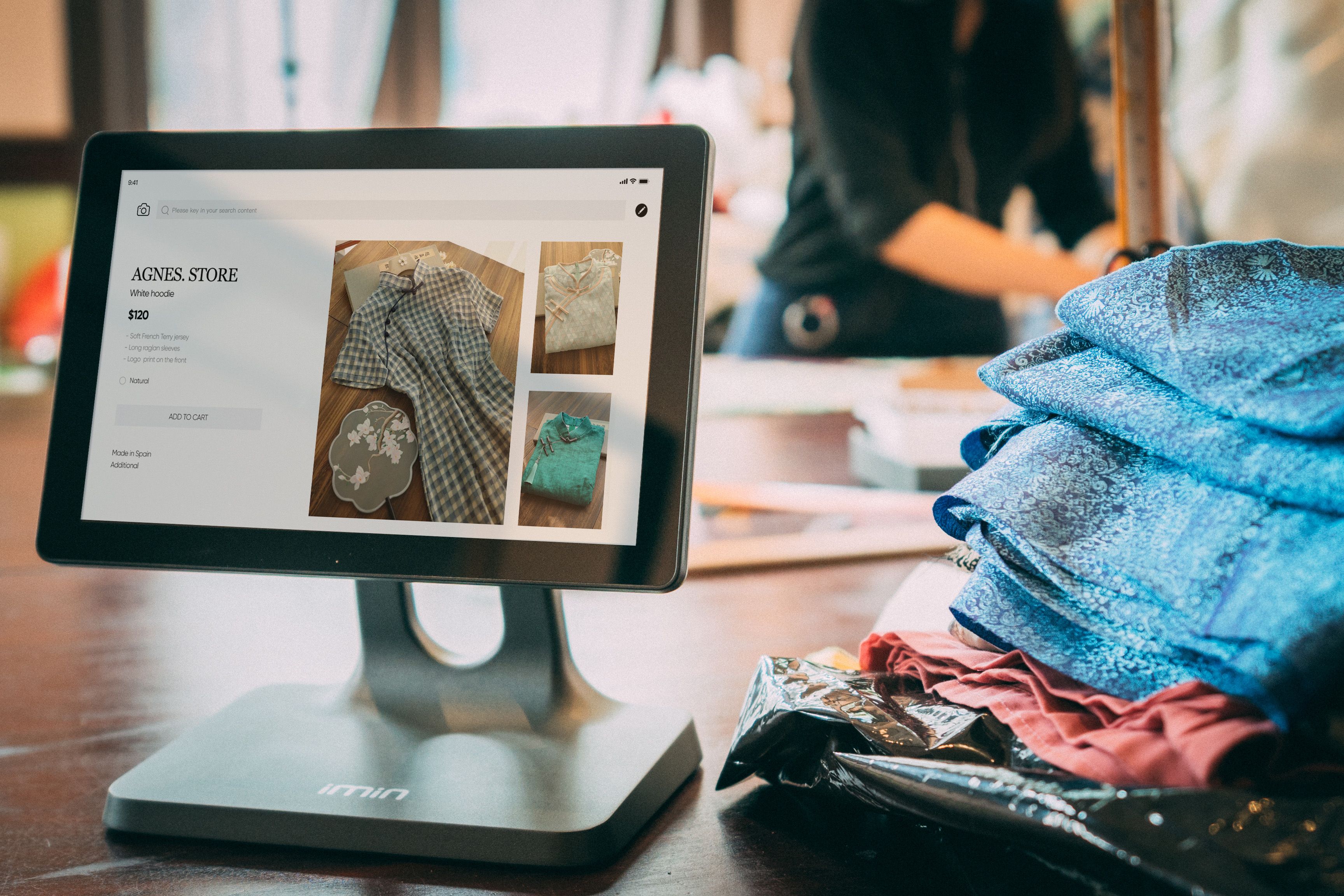
Product page SEO is one of the most important parts of ecommerce search visibility. If your product pages are clear, crawlable, fast, and well structured, search engines and shoppers are more likely to understand what you sell and why it matters.
This checklist is designed for online stores using Shopify, WooCommerce, or other ecommerce platforms. It covers practical product page SEO, category page support, technical checks, and content improvements that can help organic traffic grow over time. Results depend on competition, site quality, demand, and consistent optimisation, but a strong foundation makes a real difference.
1. Start with keyword intent and page mapping
Good product page SEO begins before you write a description. Each page should target a clear search intent. For example, a product page usually suits a specific product name, model, brand, or feature-led query, while a category page is often better for broader terms such as “women’s running trainers” or “organic face moisturiser”.
Map keywords to the right page type so your product pages do not compete with category pages. This reduces cannibalisation and helps search engines understand which page should rank for which query. Use ecommerce keyword research to identify phrases people actually search for, but avoid stuffing every variation into one page.
If you need a simple way to review your site structure, a free website SEO audit can help you spot content and technical gaps before you make changes.
2. Optimise product titles, descriptions, and on-page content
Your product title should be descriptive, accurate, and useful. Include the product name and the most relevant qualifier, such as size, material, model, or type. Avoid vague titles that only make sense to your team.
Product descriptions should explain benefits, features, use cases, and key details in plain language. This is also where ecommerce content strategy matters. Write for shoppers first, but include naturally relevant terms so the page can match more search queries. If possible, add unique copy for each product rather than copying supplier text.
Well-written product descriptions help with trust, user experience, and conversions. They can also support long-tail visibility, especially when the product is niche or has specific attributes that searchers care about.
Helpful content elements for product pages
- A clear summary of what the product is
- Key features and benefits
- Materials, sizing, compatibility, or technical specifications
- Shipping, returns, and availability details where relevant
- Usage guidance, care instructions, or FAQs
3. Make Shopify and WooCommerce pages technically sound
Technical SEO is essential for ecommerce because product pages can easily become messy through filters, variants, tags, and duplicate URLs. Shopify SEO and WooCommerce SEO both benefit from a clean site structure, indexable canonical pages, and careful control of parameter-based URLs.
Check whether your product variants create duplicate content or thin pages. If they do, use canonical tags correctly and avoid letting search engines index low-value duplicates. Faceted navigation can also generate large numbers of crawlable URLs, so make sure filters are managed in a way that supports discovery without creating index bloat.
For online stores, technical SEO also includes sitemap quality, crawl depth, mobile usability, structured data, and internal linking. Search engines should be able to reach important products and categories without unnecessary friction.
Google’s SEO starter guide is a useful official reference for the basics of crawlability, content, and page structure.
4. Improve structured data, images, and mobile usability
Product schema markup helps search engines interpret price, availability, review data, brand, and other product details. This does not guarantee rich results, but it improves the clarity of your page signals. Make sure schema matches visible on-page content and reflects the real product information.
Images also matter. Use descriptive file names, compressed images, and helpful alt text that describes the product honestly. Avoid keyword stuffing in alt attributes. Good images support user experience and can reduce hesitation on mobile screens where shoppers rely on visual detail.
Mobile ecommerce SEO is especially important because many shoppers browse and buy on phones. Keep tap targets large, text readable, buttons visible, and checkout paths simple. Mobile page layouts should make product information easy to scan without excessive scrolling or pop-ups.
5. Strengthen internal linking and category page support
Product pages should not sit alone. Internal linking helps search engines discover important pages and helps shoppers move through your store. Link relevant products from category pages, related products, buying guides, blog content, and navigation areas where it makes sense.
Category page SEO is also part of the product page strategy. Strong category pages can rank for broader terms and pass relevance to individual products through clear hierarchy and contextual links. This is especially useful for stores with large catalogues, where product discovery depends on organised collections rather than only the homepage.
When planning internal links, think about user intent. A buyer comparing options may need links to related sizes, bundles, accessories, or alternatives. Keep links natural and useful, not forced.
6. Handle speed, out-of-stock items, and conversion basics
Website speed affects both search performance and shopping behaviour. Large images, heavy apps, and unnecessary scripts can slow product pages down. Core Web Vitals are worth checking because they relate to how quickly pages load, respond, and remain stable during use.
If you want to test performance, Google PageSpeed Insights is a practical place to start. Use it alongside real user behaviour and platform analytics rather than treating one score as the whole picture.
Out-of-stock product SEO needs careful handling. If a product is temporarily unavailable, keep the page live if it has search value, and suggest alternatives or restock options. If a product is permanently discontinued, consider redirecting it to the closest relevant replacement or category page where appropriate.
Conversions depend on more than traffic. Pricing, product clarity, trust signals, reviews, delivery details, page speed, and checkout experience all shape whether visitors buy. SEO can bring the right people in, but the page still needs to convince them.
Best practices checklist for product page SEO
- Use one clear primary keyword intent per product page
- Write unique product descriptions and avoid copied supplier copy
- Optimise title tags, headings, and meta descriptions for clarity
- Add accurate product schema and visible product details
- Compress images and improve mobile usability
- Link products to relevant categories and supporting content
- Control duplicate content from variants, filters, and faceted navigation
- Review out-of-stock and discontinued products carefully
If your store needs a broader link-building or authority strategy alongside ecommerce SEO, Backlink Works provides educational resources that may help you understand how off-page signals fit into a wider growth plan, but rankings and results still depend on overall site quality and competition.
Conclusion
A strong product page SEO checklist brings together content, technical SEO, mobile experience, internal linking, and page performance. For Shopify and WooCommerce stores, the goal is not just to rank, but to make product pages easy to find, easy to understand, and easy to trust.
When you improve product descriptions, manage duplicate content, support category pages, and keep pages fast and useful, you create a better foundation for organic visibility and long-term ecommerce growth. The best results usually come from consistent optimisation rather than one-off changes.
Frequently Asked Questions
What should a product page SEO checklist include?
It should cover keyword intent, unique product copy, title tags, schema markup, image optimisation, internal links, mobile usability, speed, and duplicate content control.
Are Shopify product pages good for SEO?
Yes, Shopify can perform well for SEO when product pages are structured clearly, content is unique, and technical issues such as duplicates and speed are managed properly.
How do category pages support product page SEO?
Category pages help search engines understand your site structure and can rank for broader terms while passing relevance and internal link support to individual product pages.
What should I do with out-of-stock products?
Keep useful pages live when products are likely to return, show clear availability information, and guide shoppers to alternatives or related categories where appropriate.
- Sponsored Ad -





