
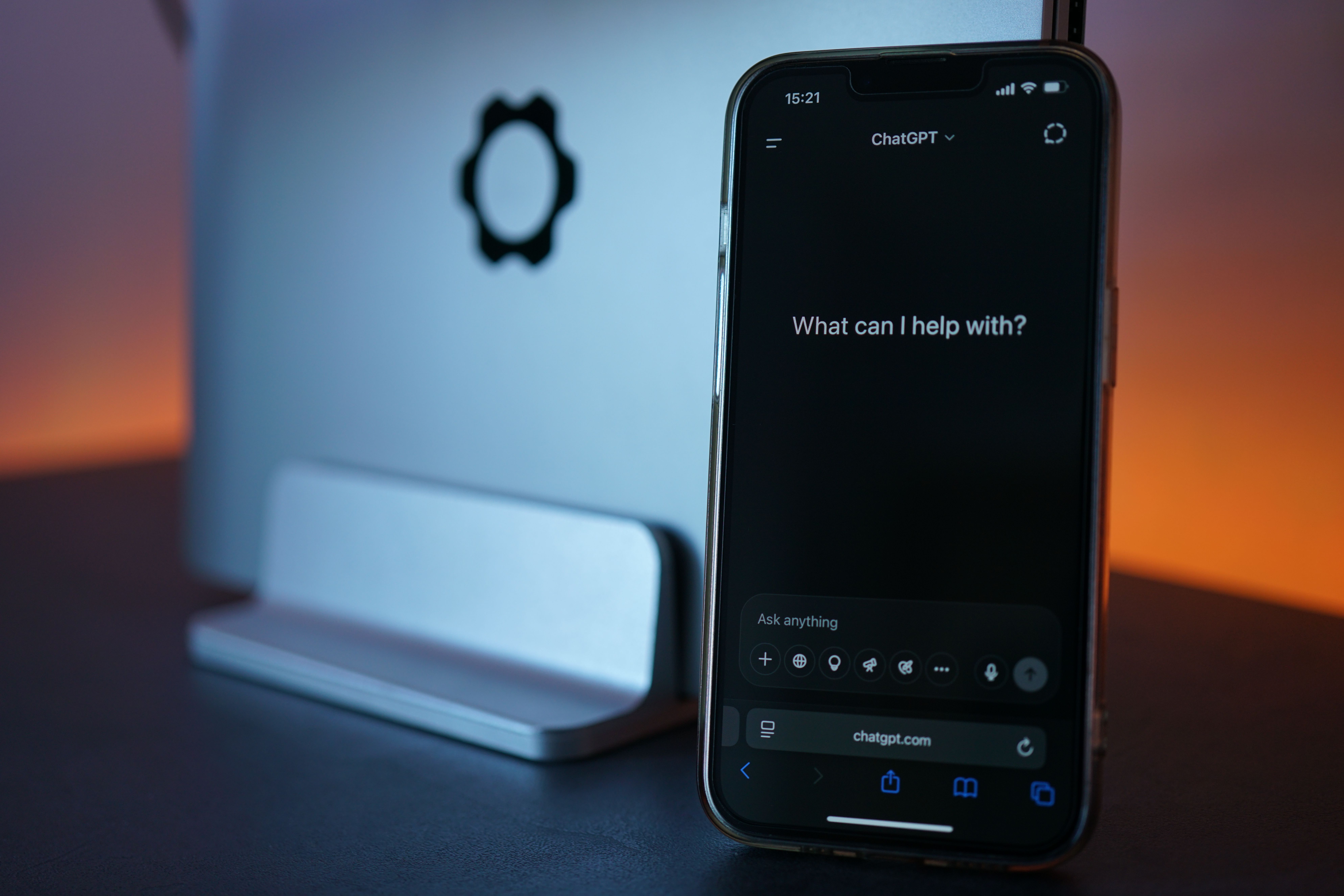
Google AI Overview Audit: A Practical Visibility Checklist is a useful way to review how your site may appear, be cited, or be described in AI-generated search experiences. As generative search and answer engines become more common, website owners need to think beyond classic blue links and consider how content is interpreted by systems such as Google AI Overviews, Google AI Mode, ChatGPT Search, Perplexity, Microsoft Copilot Search, Gemini, and Claude.
This does not replace traditional SEO. Instead, it adds another visibility layer to the work already done on helpful content, crawlability, indexing, authority, and user experience. The aim of an audit is not to chase guaranteed placement, but to identify whether your site is easy to understand, easy to access, and credible enough to be considered when AI systems assemble answers.
What an AI Overview audit is trying to uncover
An AI Overview audit checks the practical signals that may influence visibility in AI-generated answers. That includes how clearly a page answers a question, whether the page can be crawled and indexed, how consistently the brand is represented, and whether the page is supported by trustworthy structure and context.
AI search does not behave exactly like traditional search. In many cases, it may combine information from multiple sources, summarise it in conversational language, and present citations differently from a standard results page. A page may be mentioned in one query and not another, even if the topic seems similar. That variation is normal because retrieval and presentation can change by platform, query intent, region, account settings, and product updates.
If you want a broader foundation before auditing AI visibility, Backlink Works has a practical free website SEO audit resource that can help you spot the technical and content issues that also affect search discoverability.
Start with content quality and answer clarity
For generative search, content quality still matters. AI systems are more likely to work with pages that are specific, accurate, current, and clearly written. That does not mean every page must be long or heavily formatted. It means the page should genuinely help a reader understand the topic without unnecessary padding.
Audit each important page and ask: does it answer the likely user question quickly, and does it go on to support that answer with detail, examples, or evidence? For ecommerce, that may mean product specifications, comparisons, FAQs, and policies. For publishers, it may mean a clear summary, named sources, and dated updates. For service businesses, it may mean a direct explanation of what you do, who it is for, and how the process works.
AI content can be useful, but only when it is reviewed carefully. Unedited output may contain factual errors, weak sourcing, duplicated phrasing, or outdated claims. Human editing, fact-checking, and brand voice still matter.
Check crawlability, indexing, and technical access
AI visibility begins with accessibility. Search-engine crawlers must be able to find and index the page, and AI-related retrieval systems may also rely on accessible public content. That does not mean every crawler is the same, or that allowing one crawler guarantees inclusion in an AI answer.
Review robots.txt, meta robots tags, canonical tags, server responses, internal links, and page load behaviour. Pages that are blocked, noindexed, buried too deeply, or difficult to render can be harder for systems to understand. It is also worth checking that important content is present in the main HTML rather than hidden behind scripts that may not be processed reliably.
For general search documentation, Google’s helpful content guidance for Search is a sensible reference point because it reinforces the value of useful, people-first pages. Before making technical changes, test carefully and keep a backup, especially if your site uses WordPress, custom templates, or aggressive caching.
Review entities, structured data, and brand consistency
Entity optimisation means making your organisation, people, products, and topics easier for machines to understand as distinct things. In practice, this involves consistent brand naming, accurate contact details, clear author information, and aligned references across your site and trusted external profiles.
Structured data can help clarify page meaning, but it is not a shortcut to AI citations. A product, article, organisation, or breadcrumb schema may assist search systems in understanding the page, provided it matches visible content. Misleading or invalid markup can create eligibility problems rather than solving them.
For brand-led websites, check whether business details, site names, author bios, and organisational pages are coherent. Google’s business details guidance is useful if you want to confirm that your public information is clear and consistent. This kind of consistency can support both traditional SEO and AI search visibility, although it does not guarantee selection in any answer engine.
Understand citations, mentions, and referral traffic
Not every AI appearance is the same. A clickable citation, a text-only brand mention, a product recommendation, a referral visit, an organic impression, and a normal search ranking are all different outcomes. A citation may support trust, but it does not automatically create traffic. A brand mention may increase awareness, but it may never be clicked.
That distinction matters when measuring AI search traffic. Some visits from AI-assisted experiences may appear as direct, referral, or unclassified in analytics, depending on the platform and tracking setup. You may also see no obvious traffic lift even when your content is referenced, because users often get enough of an answer without clicking onward.
The right question is not only “Did we appear?” but also “Was the mention accurate, relevant, and commercially useful?” Track referral visits, enquiries, assisted conversions, branded search interest, and repeated query themes where possible. If your pages are receiving attention from AI-based discovery, that can inform content updates, product detail improvements, and brand messaging.
A practical checklist for Google AI Overview visibility
Use this audit as a working checklist rather than a scoring system:
- Does the page answer a clear user need early on?
- Is the content accurate, current, and written for humans?
- Can search engines crawl and index the page without obstacles?
- Are the brand, author, and organisation details consistent?
- Is the page supported by sensible internal linking?
- Does structured data match what visitors can actually see?
- Do analytics show any referral or assisted visibility from AI-related discovery?
- Have you checked whether the content is still useful for conversational search and semantic search?
For SEO teams and agencies, a checklist like this also helps prioritise work. The goal is not to rewrite everything for AI systems. It is to make sure your best pages are robust enough to serve search users, AI answer engines, and human readers at the same time. If your site also relies on authority building, the ultimate guide to backlink building can support the broader visibility work that still matters in traditional search.
Common mistakes to avoid
One common mistake is assuming that adding FAQ blocks or schema alone will create AI visibility. Those elements can help structure information, but they do not override weak content or technical problems. Another mistake is trying to game systems with fake mentions, mass-produced pages, hidden text, or manufactured authority signals. Those tactics are poor practice and can damage trust.
It is also unwise to treat every AI platform as identical. Google AI Overviews, Google AI Mode, ChatGPT Search, Perplexity, Copilot Search, Gemini, and Claude may present sources differently, use different interfaces, and change over time. A page that is surfaced in one environment may be ignored in another.
Finally, avoid replacing your SEO strategy with AI-only thinking. Traditional SEO remains relevant because crawlability, relevance, page quality, and structured information are still core foundations for discovery. GEO, AEO, and LLMO can complement that work, but they are not a universal substitute.
Conclusion
A good AI Overview audit focuses on practical visibility rather than promises. If your content is clear, technically accessible, well structured, and backed by a consistent brand presence, it is easier for AI systems to understand and potentially use it. That still does not guarantee citations or referral traffic, but it does give your site a stronger foundation for both classic search and generative search.
For Backlink Works Insights readers, the most useful approach is steady improvement: strengthen the pages that matter most, keep your information accurate, and measure visibility in ways that reflect real business outcomes. AI search is one more reason to build websites that are genuinely useful, not just technically indexed.
Frequently Asked Questions
What is a Google AI Overview audit?
It is a review of the content, technical setup, and brand signals that may affect whether a page is understandable and visible in Google’s AI-generated search experiences.
Can schema markup guarantee AI citations?
No. Structured data can help clarify page meaning, but it does not guarantee inclusion, citation, or ranking in AI-generated answers.
How is AI search visibility different from normal SEO rankings?
Traditional rankings are tied to search results pages, while AI search visibility may involve citations, summaries, mentions, or no visible link at all. These are related but not the same measure.
What should I measure after an AI search audit?
Look at referral traffic, branded searches, enquiry quality, recurring query themes, source accuracy, and whether key pages are still being found and indexed properly.
- Sponsored Ad -





