
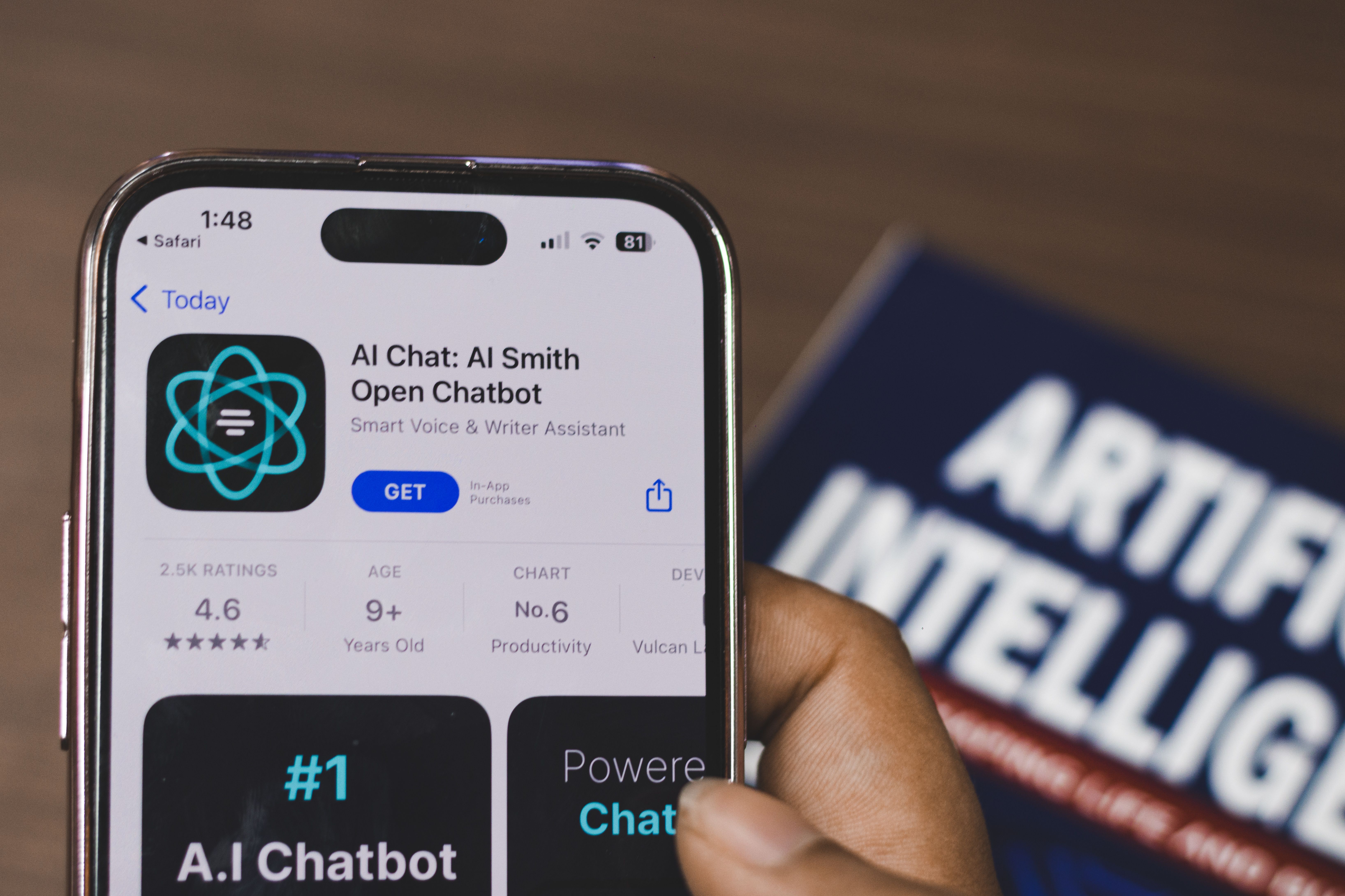
Google AI Overviews SEO is about preparing your content for a search experience that may summarise answers before a user clicks through to a website. For Backlink Works Insights readers, a practical content optimisation guide should focus on clarity, trust, structure, and discoverability rather than assuming there is a single formula for visibility.
This matters because AI search is changing how people move from query to answer. Google AI Overviews, Google AI Mode, ChatGPT Search, Perplexity, Microsoft Copilot Search, Gemini, and Claude may present information in different ways, with different citations, sources, and follow-up options. Traditional SEO still matters, but it now sits alongside generative search and answer engine optimisation as part of a broader visibility strategy.
What Google AI Overviews SEO actually means
Google AI Overviews are AI-generated summaries that may appear for some searches and attempt to answer a query by combining information from multiple web sources. They do not replace organic search results, and they do not behave like a standard ranking list. A page may be helpful for a query without being cited, and a citation does not necessarily mean a page is the only source used.
That is why people use terms such as Generative Engine Optimisation, Answer Engine Optimisation, LLM visibility, or AI SEO. These labels are still developing, so they are best understood as ways of describing optimisation for AI-assisted search experiences. They can complement established SEO, but they are not a replacement for it.
If you want a reliable foundation, Google’s own helpful content guidance for Search is still a sensible reference point. The basic principle remains the same: create content that genuinely helps people understand, compare, or decide.
How AI answers differ from traditional search results
Traditional search usually presents a list of pages that a user can scan, compare, and open. AI-generated answers are more conversational. They may combine information from several sources, summarise it into one response, and then offer a smaller set of citations or follow-up prompts.
This affects website visibility in a few ways. First, a user may get enough context from the answer and not click immediately. Second, the cited source may not always be the same page that would rank highest in a classic organic result. Third, the platform’s interface, data sources, and presentation can change over time.
The same query can also behave differently across platforms. ChatGPT Search, Perplexity, Copilot, Gemini, and Claude do not function identically, and you should not assume that one system’s citation approach applies to another. In practice, AI search traffic may be undercounted, misclassified, or split across direct, referral, and unclassified visits.
Content optimisation for AI search and generative search
The strongest practical approach is to make your content easy for both humans and systems to understand. That means answering the primary question early, using plain language, and organising supporting detail into clear sections. Search intent matters: a page built for comparison should look different from a page built for a definition or how-to task.
For example, an ecommerce store could create a product guide that explains materials, sizing, compatibility, returns, and common buying questions in a concise structure. A publisher could improve an explainer by adding definitions, dated updates, and cited references. A local business could strengthen contact, location, and service details so the entity is clearer to both people and machines.
Structured data can help search systems interpret page meaning, but it does not guarantee AI citations or inclusion. Use schema only when it accurately reflects visible content. For site owners auditing technical accessibility, Google’s robots.txt guidance is useful for understanding crawler access and limits before making changes.
Brand mentions, citations, and entity optimisation
AI visibility is not just about pages; it is also about entities, meaning the people, brands, organisations, products, and topics that search systems can identify consistently. Entity optimisation involves making your brand information clear and stable across your website, profiles, and trusted references.
That does not mean forcing artificial mentions or manufacturing authority signals. It means using the same business name, author names, service descriptions, and organisational details wherever they naturally belong. It also means building a real reputation through helpful content, useful digital PR, and credible third-party references.
It helps to distinguish between a clickable citation, a text-only brand mention, a recommendation, a referral visit, an organic impression, and a traditional ranking. These are different signals. A brand mention in an AI response does not automatically equal traffic, and a citation does not necessarily equal endorsement.
For organisations that want their website details to be easier for search systems to interpret, Google’s guidance on establishing business details in Search is a sensible place to start.
Practical checks for AI content, crawlability, and measurement
If you are updating content for AI search, start with an audit. Check whether the page is indexable, whether internal links are sensible, whether the main answer is clear, and whether the content includes any outdated or weak claims. Review titles, headings, and supporting paragraphs for specificity rather than broad generalities.
Then assess whether AI crawlers and search-engine crawlers can reach the important pages. Search-engine crawlers, AI-related crawlers, training-related crawlers, and user-triggered retrieval are not the same thing, and each platform may handle access differently. Do not make robot or server-rule changes lightly; back up settings and test carefully.
Measurement is also important, but it is imperfect. Look for referral traffic, landing-page quality, assisted conversions, branded search movement, recurring query themes, and accuracy of brand mentions. Some visits from AI-assisted experiences may appear as direct traffic or may not be clearly attributed, so combine analytics with Search Console and qualitative review. If you need a broader baseline for site health, a free website SEO audit can help identify crawlability, content, and technical issues that may also affect AI discoverability.
Be careful with AI-generated content. It can speed up drafting, but it also increases the risk of factual errors, duplicated phrasing, weak sourcing, and tone that does not fit the brand. Human editing, fact-checking, and source review remain essential.
Common mistakes to avoid
One common mistake is treating AI search optimisation as a shortcut. Another is stuffing pages with repetitive phrases, adding misleading schema, or publishing large volumes of thin content in the hope that AI systems will surface it. Those approaches are not reliable and can damage trust.
A further mistake is focusing only on citations while ignoring the page itself. If a page is hard to crawl, poorly structured, thin on evidence, or unclear for readers, it is less likely to support long-term visibility. Traditional SEO foundations still matter: internal linking, page speed, useful copy, and sound technical setup all contribute to discoverability.
Finally, do not assume that every platform works the same way. A page that receives occasional mentions in one AI answer engine may not appear in another. Platform design, query context, source selection, and retrieval methods all influence what users see.
Conclusion
Google AI Overviews SEO is best approached as an extension of good SEO, not a replacement for it. The practical aim is to make your content easier to understand, more trustworthy, and technically accessible so it can serve both human readers and AI-assisted search systems.
That means writing clearly, using accurate structured data, strengthening entity consistency, maintaining crawlable pages, and measuring the right outcomes. Visibility in AI-generated answers may improve, decrease, or stay unchanged depending on the query and the platform, so the safest strategy is to build content that remains useful regardless of how search is presented.
Frequently Asked Questions
What is the main goal of Google AI Overviews SEO?
The goal is to improve the chances that your content is understandable, accessible, and relevant enough to support visibility in AI-generated search responses. It does not guarantee inclusion.
Do structured data and FAQs guarantee AI citations?
No. Structured data can help search systems interpret page content, but it does not guarantee a citation, recommendation, or ranking in any AI search experience.
Should I change my SEO strategy for AI search right away?
Usually, the best approach is to refine what already works: helpful content, technical health, clear structure, and strong brand consistency. Those foundations support both classic search and AI search.
How can I tell whether AI search is sending traffic to my site?
Review analytics, Search Console data, landing pages, branded queries, and assisted conversions. Attribution may be incomplete, so look for patterns rather than relying on one metric alone.
- Sponsored Ad -





