
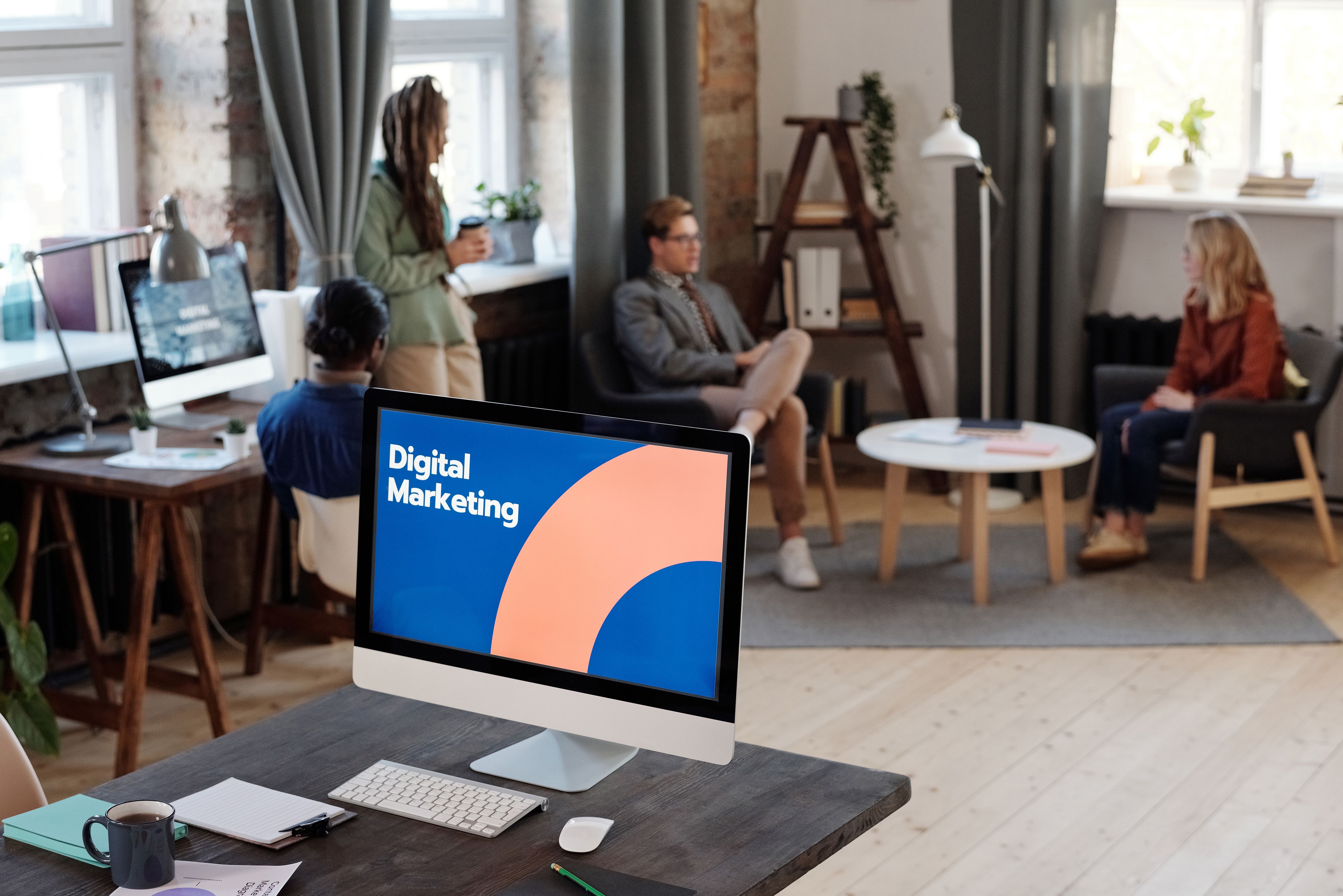
Building a digital marketing campaign that drives website traffic is less about chasing every channel and more about creating a clear, measurable plan. When the right mix of SEO, content, paid promotion, email, and social media works together, a website can become easier to find and more effective at turning visitors into enquiries, subscribers, or sales.
For Backlink Works Insights, the focus is always on sustainable growth. That means choosing tactics that support online visibility, user intent, brand trust, and conversion performance rather than relying on short-term hype. A good campaign gives every piece of marketing a purpose and every visit a next step.
Start with a clear traffic goal and audience
The first step is to define what kind of traffic you want and why it matters. Not all visits are equally useful. A small business may want local customers, an ecommerce brand may want product page visits, and a consultant may want qualified leads from a service page.
Set a clear goal such as increasing organic visits to blog content, generating paid traffic to a landing page, or bringing more local search users to a Google Business Profile-linked page. Then identify the audience behind that goal. Consider their problems, search habits, buying stage, and the type of content they are likely to engage with.
This early planning prevents wasted spend and scattered content. It also makes it easier to measure whether your campaign is improving website traffic quality, not just volume.
Build a strategy around search intent and content
Content marketing is often the foundation of traffic growth because it helps people discover your brand through search, social channels, and email. The key is to map content to search intent. Informational content can attract early-stage users, while comparison pages, service pages, and product pages can support people closer to action.
For example, a digital agency might publish guides on SEO-driven marketing, lead generation, and conversion optimisation, then support them with service pages and case studies. An ecommerce brand might create buying guides, category pages, and seasonal content that matches customer demand.
Search visibility improves when content is useful, well structured, and aligned with keywords people actually use. If you want to strengthen that foundation, a free website SEO audit can help identify technical and content gaps before you scale the campaign.
Use SEO to create steady organic traffic growth
SEO remains one of the most reliable ways to drive traffic over time, but it usually takes consistency rather than quick wins. A strong campaign should include on-page SEO, internal linking, technical improvements, and pages that answer real customer questions.
Focus on title tags, headings, page speed, mobile usability, and clear site structure. Make sure each important page has a specific purpose and enough context for both users and search engines to understand it. Supporting pages can also help build topical relevance around your core services or products.
Authority matters too. If your site is new or competing in a crowded market, reputable backlinks and strong content distribution can support visibility. Backlink Works offers educational resources on this area, including its ultimate guide to backlink building, which may be useful for understanding how link acquisition fits into broader website growth.
Organic results are rarely instant, so the goal should be steady improvement in rankings, clicks, and engagement rather than overnight success.
Balance paid traffic with landing page quality
Google Ads, PPC, and paid social can accelerate traffic when you need quicker visibility. However, paid campaigns only work well when targeting, budget, creative, landing pages, and tracking are carefully planned. A strong ad may bring clicks, but the landing page must continue the conversation.
Create one clear landing page for each core offer, rather than sending everyone to the homepage. Keep the message consistent between the ad and the page. Use a simple call to action, remove distractions, and make the value proposition obvious above the fold.
It is also important to track performance properly. Use Google Analytics alongside platform data to understand which campaigns drive engaged sessions, form submissions, or ecommerce actions. If traffic is high but conversions are weak, the issue may be the offer, the page layout, or poor audience targeting rather than the ads themselves.
Distribute content through social media and email
Social media marketing helps content reach people who may not find it through search straight away. Share blog posts, guides, videos, product updates, and customer stories in formats suited to each platform. Short posts, carousels, and clips can all support website traffic when they link back to useful pages.
Email marketing is equally valuable because it reaches an audience that already knows your brand. A newsletter can bring repeat visits to new content, special offers, or seasonal landing pages. This is especially useful for ecommerce marketing, local business marketing, and service businesses that need recurring visibility.
The aim is not to post everywhere. It is to choose the channels where your audience is active and where your content can create a clear reason to click through to the website.
Optimise for conversion, not just clicks
Traffic is only useful if the website can turn visitors into something meaningful. That could be an enquiry, phone call, purchase, demo request, or email sign-up. Conversion optimisation helps you make the most of the traffic you already earn.
Check whether key pages have clear navigation, strong headlines, social proof, helpful FAQs, and fast loading times. Simplify forms, improve calls to action, and remove friction where possible. For ecommerce sites, this may mean improving product descriptions, images, filters, and checkout clarity. For local businesses, it may mean adding location details, reviews, and contact options.
If you want to understand how trust, visibility, and links fit into the wider picture, Backlink Works also covers related website growth topics across its main site.
Measure, review, and improve the campaign
Marketing analytics should guide every stage of the campaign. Look beyond vanity metrics and review the data that links traffic to business outcomes. Useful measures include organic clicks, landing page engagement, conversion rate, returning visitors, bounce behaviour, and lead quality.
Review results regularly and make small, informed changes. You may need to refine keywords, test ad copy, update underperforming content, or improve internal links between related pages. Search trends can also shift, so your content plan should adapt over time rather than stay fixed.
Best practices for better traffic campaigns include:
- Choosing one primary goal per campaign
- Matching content to search intent
- Using separate landing pages for different offers
- Tracking conversions, not just sessions
- Updating content based on performance data
Conclusion
A digital marketing campaign that drives website traffic works best when it connects strategy, content, SEO, paid promotion, and analytics. The strongest campaigns are not built on guesswork. They are built on audience understanding, useful content, technical readiness, and ongoing optimisation.
Whether you are running a startup, ecommerce store, local business, or agency, focus on traffic that supports brand visibility, trust, and conversion. Over time, that approach can help create more consistent website growth and better business results.
Frequently Asked Questions
What is a digital marketing campaign for website traffic?
It is a planned set of marketing activities designed to bring more relevant visitors to your website through channels such as SEO, content, ads, social media, and email.
How long does it take to see traffic results?
Paid campaigns can bring traffic more quickly, while SEO and content marketing usually take longer. Results depend on competition, budget, content quality, and optimisation.
Which channel is best for driving website traffic?
There is no single best channel. The right mix depends on your audience, goals, and resources. Many businesses benefit from combining SEO, content, paid ads, and email.
How do I know if my campaign is working?
Look at traffic quality, engagement, conversions, lead volume, and revenue impact rather than traffic alone. Analytics should show whether visits are supporting business goals.
- Sponsored Ad -





