
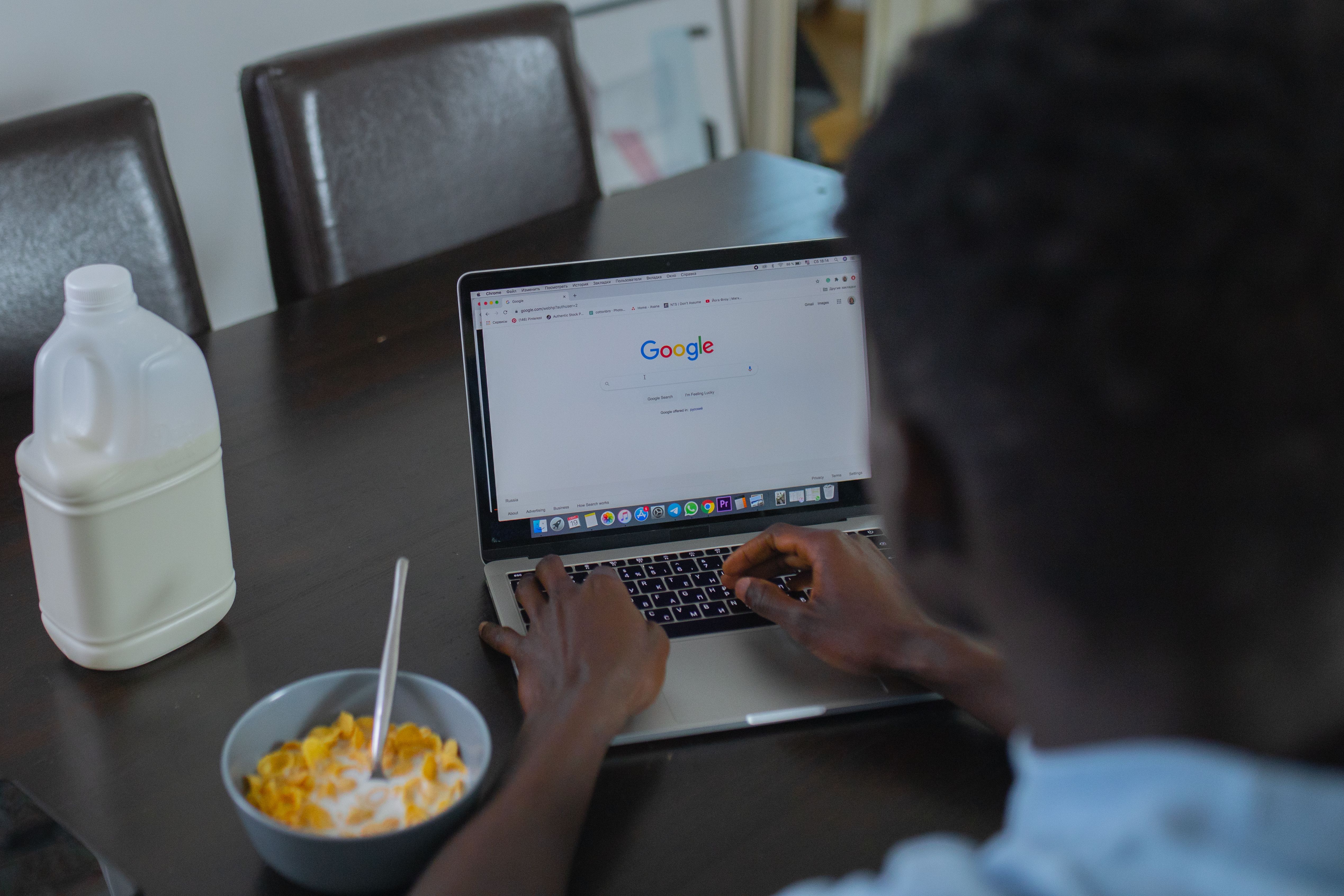
Search engines do not always find new or updated pages at the same speed, which is why on-page SEO matters so much for indexing. The way you structure a page, write content, and connect it to the rest of your site can help crawlers understand it faster and more clearly.
This guide explains practical on-page SEO techniques that improve crawlability, make content easier to index, and support stronger organic visibility over time. It is aimed at website owners, bloggers, digital marketers, SEO beginners, and professionals who want clear steps rather than shortcuts.
Why on-page SEO affects indexing speed
Indexing starts with discovery, but discovery alone is not enough. Search engines need to crawl a page, interpret its purpose, and decide whether it is useful enough to store in the index. On-page SEO helps remove friction at each stage.
When a page is clear, internally linked, technically accessible, and focused on one main topic, search engines can process it more efficiently. This does not guarantee faster indexing every time, but it increases the chances that your content is found, understood, and revisited more confidently.
If you are checking whether technical or on-page issues are slowing discovery, a website SEO audit can help you spot problems that affect crawlability and indexation.
Use clear page intent and topic focus
Every important page should have a clear purpose. Search engines perform better when they can quickly tell whether a page is a guide, product page, category page, service page, or article. Mixed signals make interpretation harder and can delay indexing confidence.
Start with a single search intent. If the page is meant to answer a question, answer it directly. If it is a service page, explain the service, audience, benefits, and next steps without drifting into unrelated topics. Focused content gives crawlers a cleaner understanding of what the page is about.
Keyword research still matters here, but it should support intent rather than force repetition. Use the main phrase naturally in the title, introduction, and a few key sections. Synonyms and related terms help reinforce context without making the page sound mechanical.
Strengthen crawlability with smart internal linking
Internal links are one of the simplest on-page signals for faster discovery. When a new page is linked from already indexed pages, crawlers are more likely to find it during regular site visits. This is especially useful for blogs, ecommerce categories, and large websites with many pages.
Link important pages from relevant articles, category pages, and navigation where it makes sense. Use descriptive anchor text that reflects the page topic without being over-optimised. Avoid burying key content deep in the site structure, because pages that are too many clicks away can take longer to discover.
For teams building broader SEO knowledge, Backlink Works can be a useful SEO learning resource alongside your own audits and internal linking plan.
Keep links contextually relevant
A good internal link should help readers and search engines understand what comes next. For example, a blog post about ecommerce product descriptions might link to a category optimisation guide, while a local business page might link to a location service page. Relevance matters more than volume.
Improve content structure and readability
Clean structure helps search engines process a page more quickly. Use one clear topic per page, short paragraphs, and logical headings that reflect the flow of the content. This also improves user experience, which matters because people are more likely to stay and engage with content that is easy to read.
Place the most important information near the top of the page. If a search engine crawler finds a well-organised page with a strong opening paragraph, relevant subheadings, and clear supporting detail, it can understand the content with less guesswork.
Include a concise title tag and meta description that match the page intent. While these elements do not directly force indexing, they help define relevance and can improve how the page appears in search results once indexed.
Support technical clarity on the page
On-page SEO is not only about words. Technical clarity helps crawlers access and interpret content without unnecessary barriers. Make sure the page is indexable, not blocked by robots rules, and not hidden behind weak templates or accidental noindex tags.
Use one canonical version of each page so search engines know which URL to index. This is particularly important for ecommerce filters, WordPress archives, and pages that may appear in multiple URL formats. Duplicate or confusing versions can slow down the indexing process.
Structured data can also help explain content type. When used correctly, schema markup gives search engines additional context about articles, products, FAQs, organisations, and local businesses. It is not a ranking shortcut, but it can improve clarity and presentation. You can test markup with the Rich Results Test.
Use search engine tools to confirm discovery
Google Search Console is useful for checking whether pages are discovered, crawled, or excluded. It helps you see indexing issues, coverage problems, and whether a URL has been submitted for inspection. For on-page SEO, this is often one of the most practical ways to verify that your changes are being seen.
Optimise speed, mobile usability, and Core Web Vitals
Fast, mobile-friendly pages are easier for users and search engines to process. Slow pages can waste crawl resources and make it harder for crawlers to reach all the content efficiently, especially on larger sites. This is one reason page performance belongs in on-page SEO.
Focus on practical improvements such as compressing images, reducing unnecessary scripts, using responsive layouts, and avoiding layout shifts. Core Web Vitals are not the only factor in indexing, but they contribute to a better overall page experience and can support more consistent crawling.
If a page is difficult to use on mobile, search engines may still index it, but the experience can weaken engagement and reduce confidence in the page quality. Test important pages on different devices and keep the layout simple where possible.
Checklist for faster indexing
- Give each page a clear topic and search intent.
- Use a descriptive title tag and meta description.
- Add internal links from relevant, already indexed pages.
- Keep content well structured with logical headings.
- Make sure the page is indexable and not blocked accidentally.
- Use canonical tags correctly where duplicate URLs exist.
- Check mobile usability and page speed on key templates.
- Add structured data where it genuinely fits the content.
- Review the page in Google Search Console after publishing or updating.
Common mistakes that slow indexing
- Publishing pages with thin or vague content.
- Leaving important pages isolated with no internal links.
- Using duplicate titles, headings, or repeated boilerplate content.
- Accidentally adding noindex tags or blocking resources.
- Creating messy URL structures with multiple versions of the same page.
- Ignoring page speed, especially on mobile.
- Overusing keywords instead of writing naturally for the reader.
Best practices for ongoing indexation
Indexing is easier to maintain when your site follows consistent habits. Update important pages regularly, especially if the content changes in a meaningful way. Freshness alone does not ensure crawling, but clear updates can signal that a page remains relevant.
Use SEO reporting to track which pages are discovered, indexed, and actually bringing organic traffic. That helps you see whether the page is visible in search and whether it deserves further optimisation. If your site has recurring indexing problems, a broader SEO learning resource such as Backlink Works may help you understand how on-page decisions interact with technical and authority signals.
It is also sensible to use a small set of trusted tools rather than guessing. For example, Google Search Console helps with indexing checks, while PageSpeed Insights can show where performance issues may be slowing down page delivery. Tools are most valuable when they support your decisions, not when they replace them.
Conclusion
On-page SEO techniques help search engines index content faster by making pages easier to discover, understand, and process. Clear intent, strong internal linking, readable structure, technical cleanliness, and solid page performance all work together to reduce friction.
There is no single tactic that guarantees immediate indexing or high rankings, but good on-page SEO gives your content the best possible chance of being found and interpreted properly. For website owners, bloggers, agencies, and consultants, this is one of the most practical foundations for sustainable organic visibility.
Frequently Asked Questions
How does on-page SEO help search engines index content faster?
On-page SEO helps search engines understand what a page is about, where it sits within the site, and whether it is accessible. Clear headings, internal links, indexable pages, and concise content structure all make crawling more efficient and reduce confusion during discovery.
Do internal links really make a difference to indexing?
Yes, internal links can make a meaningful difference because they help crawlers find new or updated pages through already indexed parts of the site. The best links are relevant, natural, and placed from pages that already receive regular crawling.
Should I submit every page in Google Search Console?
You do not need to manually submit every page, but Search Console is useful for important new pages or pages that have had indexing issues. It helps you check whether Google can see the page and whether any technical problems are preventing proper discovery.
Is faster indexing the same as better rankings?
No, faster indexing does not guarantee better rankings. Indexing means a page can appear in search results, while rankings depend on relevance, quality, intent match, usability, and many other signals. On-page SEO supports both, but it is only one part of the wider SEO process.
- Sponsored Ad -





