
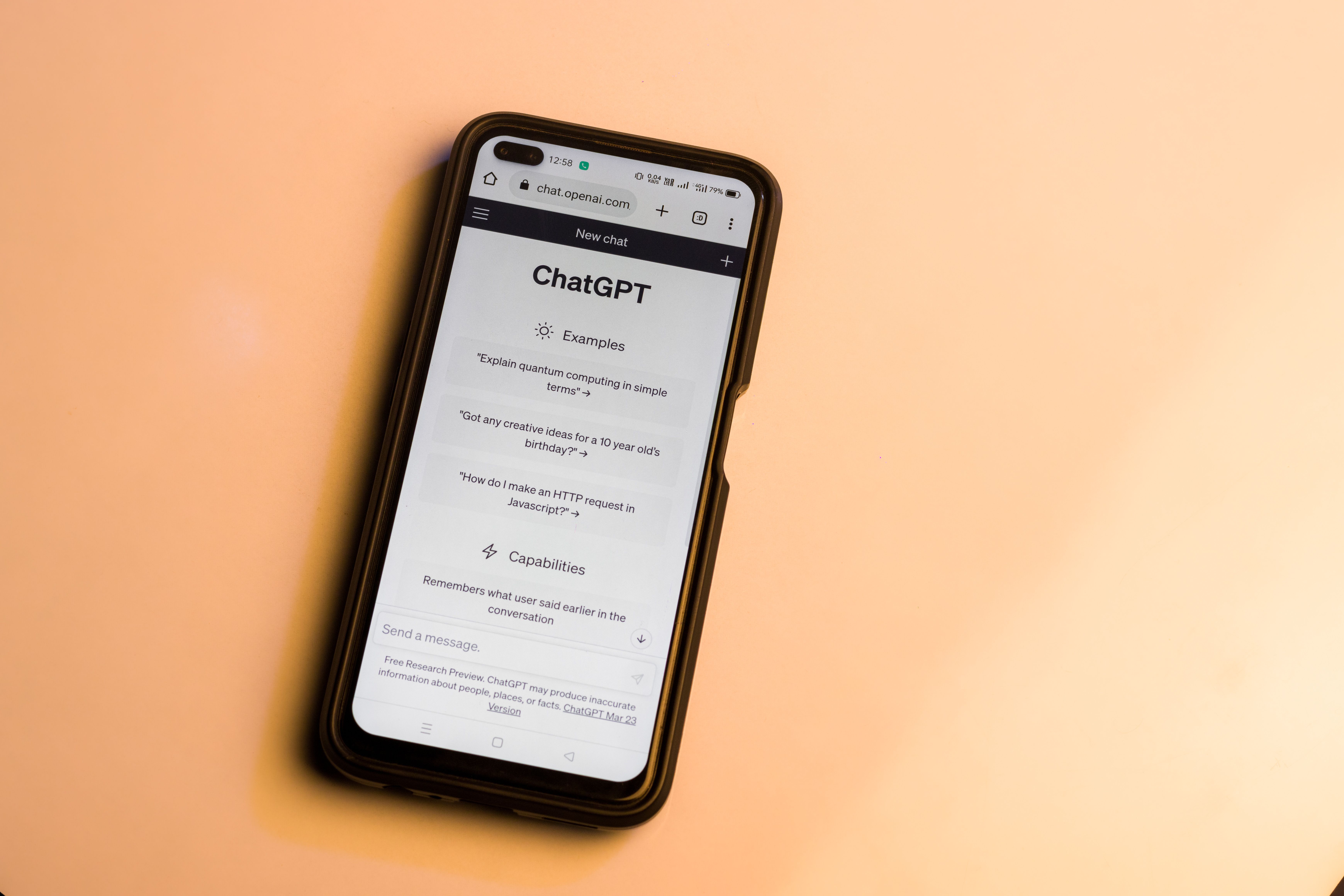
GEO Brand Mentions: How AI Search Finds and Cites Your Brand is about how generative search systems decide which brands to name, summarise, or cite in AI-generated answers. In practice, that means your visibility may depend on much more than a classic blue-link ranking. It can be shaped by content quality, entity clarity, technical access, source authority, and how well your brand is understood across the web.
This matters because AI search is changing how people discover information. Users may ask a question in Google AI Overviews, Google AI Mode, ChatGPT Search, Perplexity, Microsoft Copilot Search, Gemini, or Claude and receive a direct answer rather than a list of ten links. For website owners, the goal is not to “game” these systems, but to create pages that are easy to understand, trustworthy, and useful enough to be selected when relevant.
What brand mentions mean in AI search
A brand mention is simply your brand name appearing in an AI-generated response. That is not the same as a clickable citation, a recommendation, or a referral visit. A system may mention your brand without linking to you, or cite your page without naming you prominently. It may also combine information from several sources and present the answer in a different format for each query.
That distinction matters for measurement. A citation is a source reference. A brand mention is text inside the answer. A recommendation suggests preference. A referral visit is actual traffic sent to your site. Traditional search impressions and rankings are different again. In AI search, these signals can overlap, but they should be tracked separately.
For a useful baseline on traditional visibility, many teams start with a technical and content review such as a free website SEO audit. That does not solve AI visibility on its own, but it can reveal indexation, structure, and quality issues that affect discoverability.
How AI search systems find and cite sources
Different platforms work differently, and their exact retrieval and attribution processes are not always fully documented. Broadly, AI search systems may rely on a mix of web retrieval, indexing, source ranking, prompt interpretation, and internal answer generation. Some experiences display links clearly, while others provide looser attribution or fewer visible citations.
Google AI Overviews and Google AI Mode are search features that can present AI-generated summaries alongside or within search results. OpenAI’s ChatGPT Search is an AI-assisted search and answer experience that can include sources for some queries. Perplexity, Microsoft Copilot Search, Gemini, and Claude may also surface web-backed answers in different ways. It is safest to assume that source selection, citation style, and follow-up behaviour can vary by platform, query type, account context, and product updates.
Google’s own guidance on creating helpful content remains relevant because AI systems still need pages they can crawl, interpret, and trust. Helpful, clearly written, well-structured pages are not guaranteed to be cited, but they are easier for systems and people to use.
Why entity optimisation and structured data matter
Entity optimisation means making it clear who you are, what you do, and how your brand relates to other things on the web. In practical terms, that includes consistent business names, accurate author details, clear service descriptions, and unambiguous page topics. Search systems use these signals to understand whether a page is about a company, a product, a person, a location, or a broader subject.
Structured data can support that understanding. It does not guarantee AI citations or inclusion, but it can help search engines interpret page meaning more reliably when it matches the visible content. If your site uses schema markup, keep it accurate and useful rather than overcomplicated. For example, article, organisation, product, or local business markup should reflect the page honestly.
Google’s structured data guidance is a sensible place to review the basics before making changes. The main principle is simple: structured data should clarify, not mislead.
Content quality, citations, and AI-generated answers
AI search systems often summarise and recombine material from multiple pages. That makes originality, accuracy, and source quality especially important. A page with thin, duplicated, or outdated content is less likely to support a strong answer experience than a page that explains a topic clearly and adds genuine value.
If you use AI-assisted content creation, human review becomes essential. AI-generated text can be useful for drafting, but it can also introduce factual mistakes, stale examples, unsupported claims, or a tone that does not fit your brand. Publishing unreviewed AI output at scale is risky, especially where trust matters, such as finance, health, legal, ecommerce, or local services.
A practical approach is to write for people first. Answer the question clearly, use source-backed claims where needed, and update pages when facts change. This supports traditional SEO and may also make the page more useful to answer engines.
Technical access, crawlability, and AI search traffic
AI visibility is affected by technical accessibility as well as content quality. Search-engine crawlers, AI-related crawlers, training-related crawlers, user-triggered retrieval, and traditional search indexing are not always the same thing. Allowing a page to be indexed does not guarantee it will appear in an AI-generated answer, and blocking one crawler does not remove every trace of a page from every system.
Before changing robots.txt, meta robots tags, server rules, or other access controls, check current official documentation and test carefully. The safest route is usually to preserve crawlability for important pages, avoid accidental blocking, and make sure the site is fast, mobile-friendly, and easy to render.
For technical teams, the broader link between crawlability and discoverability is covered in Google’s robots.txt overview. That guidance is useful because technical mistakes can reduce visibility in both classic search and AI-assisted search experiences.
From a traffic perspective, AI search visits may appear as referral, direct, or unclassified traffic depending on the platform and analytics setup. That makes measurement imperfect, so it helps to track landing pages, queries, assisted conversions, and branded search activity together rather than relying on one metric alone.
Practical ways to improve AI search visibility
You do not need to rebuild your site for every AI platform. A steadier approach is to strengthen the signals that most systems can understand well:
- Use clear page titles, headings, and concise summaries.
- Keep business details, author bios, and contact information consistent.
- Publish accurate, topic-focused content that answers real questions.
- Support claims with reputable sources and visible evidence.
- Make pages crawlable, indexable, and mobile-friendly.
- Use structured data where it accurately reflects the page.
- Build genuine brand recognition through useful content and credible mentions.
These actions are often discussed under terms such as Generative Engine Optimisation, Answer Engine Optimisation, LLM visibility, or AI SEO. The terminology is still developing, and different marketers use it differently. The useful part is not the label; it is the discipline of making your brand easier to understand, trust, and retrieve.
If you want a broader foundation in how backlinks and authority fit into website growth, the ultimate guide to backlink building can help connect AI visibility with established SEO thinking. Backlink Works also publishes SEO education that can support wider digital marketing planning without treating AI search as a standalone shortcut.
Common mistakes to avoid
Many brands make the mistake of chasing AI visibility with tactics that do not help users. Keyword stuffing, fake reviews, artificial mentions, deceptive schema, hidden text, and low-quality mass content are all poor choices. They can weaken trust, harm usability, or create compliance issues.
Another common error is assuming that a citation equals endorsement. AI systems can cite a source while still summarising it imperfectly or out of context. They can also omit credible pages simply because the question, interface, or retrieval step led elsewhere. That is why ongoing monitoring matters.
Keep an eye on whether your brand name is being used accurately, whether quoted facts are correct, and whether recurring queries are bringing people to the right pages. If the answer experience changes, review the source page before making broad strategy changes.
Conclusion
AI search is making brand discovery more conversational, more selective, and in some cases less predictable than traditional search results. GEO Brand Mentions: How AI Search Finds and Cites Your Brand is really about earning clarity: clear entity signals, clear content, clear technical access, and clear authority.
There is no guaranteed path into Google AI Overviews, Google AI Mode, ChatGPT Search, Perplexity, Copilot, Gemini, Claude, or any other answer engine. But strong SEO foundations still matter, and they now support both classic search visibility and emerging AI-generated answers. The most reliable strategy is to build a website that is useful to humans, understandable to machines, and honest about what it offers.
Frequently Asked Questions
What is the difference between an AI citation and a brand mention?
An AI citation is a source reference, usually with a link or clear attribution. A brand mention is simply your brand name appearing in the answer text. One does not automatically mean the other.
Can structured data make my brand appear in AI answers?
Structured data can help explain your page to search systems, but it does not guarantee inclusion, citations, or recommendations. It works best when it matches the visible content exactly.
How do I know if AI search is sending traffic to my site?
Check referral traffic, landing pages, branded search activity, and assisted conversions in your analytics. Some AI-driven visits may be categorised in ways that are not fully distinct, so measurement is often incomplete.
Should I change my SEO strategy for AI search?
Usually you should refine, not replace, your SEO strategy. Focus on helpful content, technical accessibility, clear entity signals, and credible brand presence. Those fundamentals support both traditional search and AI-assisted discovery.
- Sponsored Ad -





