
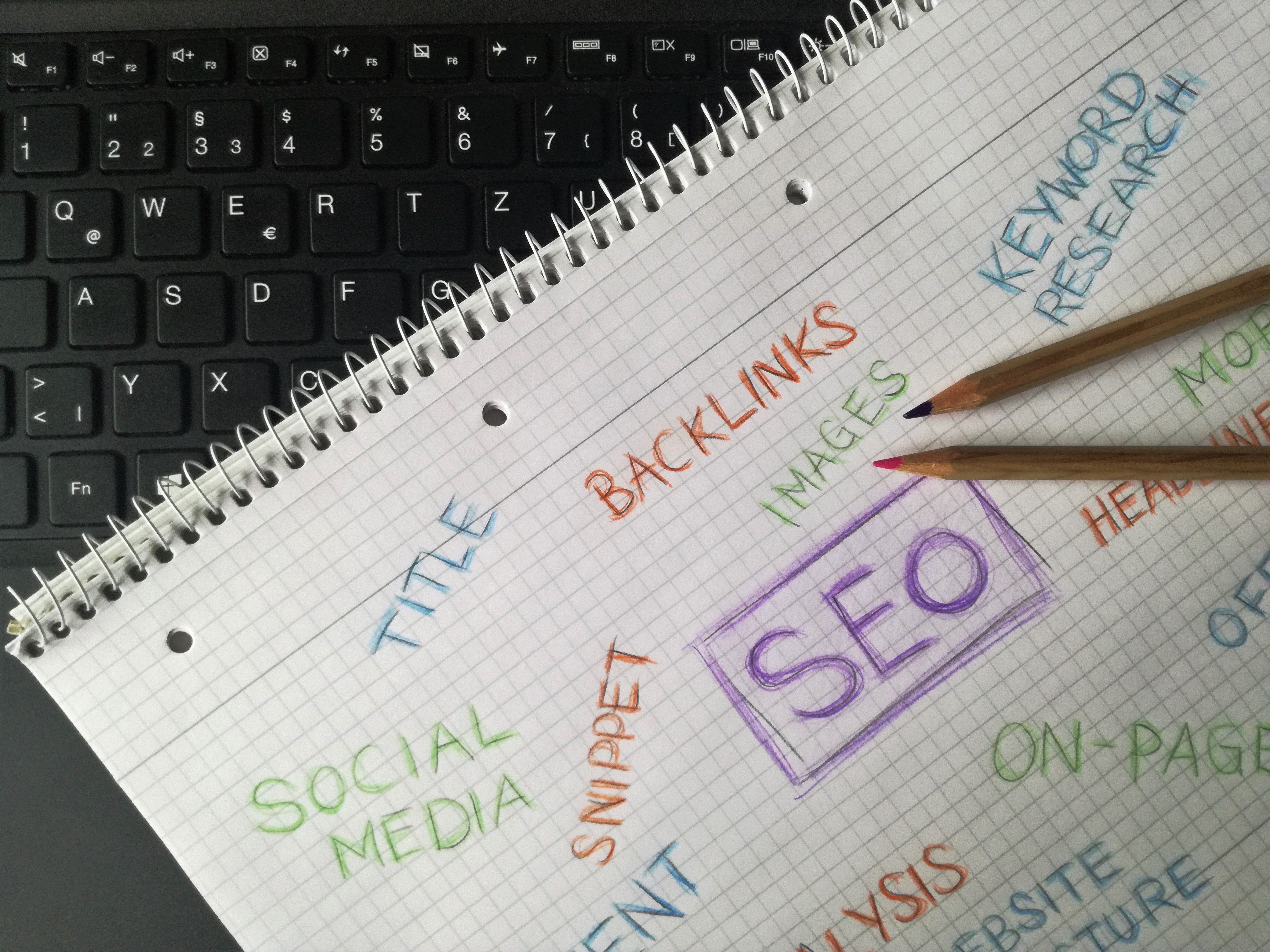
Backlink indexing is the process of helping search engines discover and recognise the backlinks pointing to your site. If a backlink is not indexed, it may have little or no effect on visibility, even if it comes from a relevant source. That is why safe indexing strategies matter for website owners, bloggers, agencies, and marketers who want sustainable organic growth.
The goal is not to force every link into the index at any cost. The goal is to improve the chances that quality, relevant backlinks are crawled, understood, and counted naturally. When done properly, backlink indexing supports stronger link building, better link equity flow, and a healthier SEO profile without relying on risky tactics.
What Backlink Indexing Means
Backlink indexing refers to whether a search engine has found a page containing a backlink and added that page to its index. If the source page is indexed, the link can be evaluated more easily. If it is not indexed, the backlink may still be crawled later, but its SEO value is less predictable.
This matters because link building is not only about placing links. It is also about making sure those links live on pages that search engines can access, trust, and revisit. For a simple overview of link building fundamentals, the complete backlink building guide is a useful learning resource.
Backlink indexing is especially relevant for new websites, fresh content, and pages on websites with weak crawl activity. In those cases, even a good backlink may take time to be discovered unless the source page is supported by sensible internal linking and genuine visibility signals.
Why Indexing Matters for Organic Rankings
Search engines use links as one signal among many when deciding how to rank pages. A backlink that is indexed and contextually relevant can help reinforce authority, topical relevance, and trust. A backlink that remains undiscovered or devalued by poor placement offers far less benefit.
It is important to understand that backlinks alone never guarantee rankings. Rankings depend on content quality, search intent, technical SEO, site structure, page experience, and competition. Backlink indexing simply helps ensure the links you earn or place can contribute properly to those wider ranking signals.
If you are reviewing a site’s overall performance, a free website SEO audit can help highlight crawl issues, indexing gaps, and on-page problems that may be reducing the impact of your backlinks.
Safe Strategies to Improve Backlink Indexing
The safest way to improve backlink indexing is to make source pages easier for search engines to find and value. That starts with earning links from pages that are already crawlable, relevant, and part of an active website rather than from thin or artificial sources.
- Place backlinks on pages that are linked internally from other pages on the same site.
- Use relevant anchor text that fits naturally into the surrounding content.
- Prefer content pages over low-value pages with little context or no traffic.
- Focus on websites that get crawled regularly and publish useful material.
- Avoid overusing exact-match anchor text, especially on newly acquired links.
Another practical step is to publish supporting content around the page receiving the backlink. When a page is part of a broader topic cluster, search engines can understand it more easily. This does not force indexing, but it improves the overall environment around the link.
Use internal links on the source site
When possible, the page containing the backlink should sit within a sensible internal linking structure. Pages that are isolated or orphaned may be crawled less often. On active websites, internal links help search engines move through the site and discover new outbound links more reliably.
Encourage natural discovery
Backlinks are more likely to be indexed when the source page receives genuine attention, whether through internal links, referral traffic, or regular site updates. Artificially boosting links with spammy or automated methods can create risk without delivering stable SEO value.
If you want to understand how links are typically created in a safer, manual way, Backlink Works explains the backlink building process in a straightforward format that is useful for SEO beginners and agencies alike.
Signals That Help Search Engines Trust a Link
Not all backlinks deserve the same level of attention. Search engines are more likely to value a backlink when the linking page is relevant, indexable, and part of a trustworthy site. Quality matters more than volume, especially when you are trying to improve rankings safely.
Useful signals include topical relevance, natural placement, reasonable outbound link patterns, and a page that provides real value to readers. Both dofollow and nofollow links can be useful in a broader SEO strategy, but dofollow links are usually the ones most associated with passing authority.
It is also wise to think beyond the backlink alone. A strong page on a reputable website can support brand visibility, referral traffic, and long-term authority. If you are comparing source quality, tools such as Ahrefs can help you review link profiles and estimate how strong a linking domain appears.
Best Practices for Safe Backlink Indexing
Safe backlink indexing is about balance. You want links to be discoverable, but you do not want to push search engines with manipulative tactics. The best practices below support natural, stable SEO growth.
- Earn links from relevant pages rather than low-quality link farms.
- Mix branded, partial-match, and natural anchor text.
- Keep the backlink source page useful and readable for real visitors.
- Monitor whether important backlinks are indexed over time.
- Use search console data to spot crawl and indexation issues on your own site.
- Build links steadily instead of creating unnatural bursts of activity.
When planning safe backlink growth, it helps to use educational resources rather than chasing shortcuts. Backlink Works can be a helpful backlink building resource for understanding practical, white-hat approaches to off-page SEO.
Practical Checklist
Use this simple checklist to improve backlink indexing safely and consistently:
- Check whether the linking page is indexable and publicly accessible.
- Confirm the backlink is placed within relevant, useful content.
- Look for internal links pointing to the linking page.
- Avoid repeated exact-match anchor text across too many links.
- Review your own site for crawlability and indexation issues.
- Prioritise quality links from websites that publish content regularly.
- Track changes gradually rather than expecting immediate movement.
Common Mistakes to Avoid
Many backlink problems come from trying to speed up results in unsafe ways. The most common mistakes are often avoidable once you focus on quality and relevance.
- Buying large volumes of irrelevant links without checking source quality.
- Using automated indexing schemes that create unnatural link patterns.
- Ignoring whether the source page is actually indexed.
- Over-optimising anchor text with repeated exact phrases.
- Assuming every backlink will have the same value.
- Relying on backlinks instead of improving the target page itself.
It is also worth remembering that indexing support should never be used as a cover for poor link choices. If the backlink source is weak, irrelevant, or manipulative, getting it indexed does not make it a safe SEO asset.
Conclusion
Backlink indexing strategies work best when they support a broader white-hat SEO approach. The aim is to help search engines discover high-quality links naturally, not to force weak links into the index. Relevant placement, clean site structure, careful anchor text, and steady link acquisition all improve the odds that backlinks contribute to organic visibility safely.
If you focus on quality sources, real relevance, and sustainable link building, backlink indexing becomes a practical part of SEO rather than a shortcut. For teams that want a deeper understanding of safe link growth and related SEO learning, Backlink Works also provides a safe backlink building resource that fits well with a cautious, long-term strategy.
Frequently Asked Questions
What is the difference between crawling and indexing a backlink?
Crawling is when search engines discover a page. Indexing is when they decide to store that page in their database. A backlink on a crawled page may still not be indexed immediately, and without indexing, its SEO value may be limited or delayed.
Do nofollow links need backlink indexing support?
Nofollow links do not usually pass authority in the same way as dofollow links, but they can still help with discovery, visibility, and natural link profiles. If a nofollow link sits on an indexable page, it may still contribute indirectly to your overall SEO health.
How can I check if my backlinks are indexed?
You can check whether the source page appears in search results using site searches or SEO tools, then confirm whether the page is publicly accessible and crawlable. Search Console can also help you identify indexing problems on your own site that may affect link discovery.
Is it safe to buy backlinks if indexing is the main concern?
Buying backlinks carries risk if quality and relevance are poor. If you consider commercial link building, focus on transparency, editorial context, and safe placement rather than sheer volume. Indexing support does not make unsafe links better; source quality still matters most.
- Sponsored Ad -





