
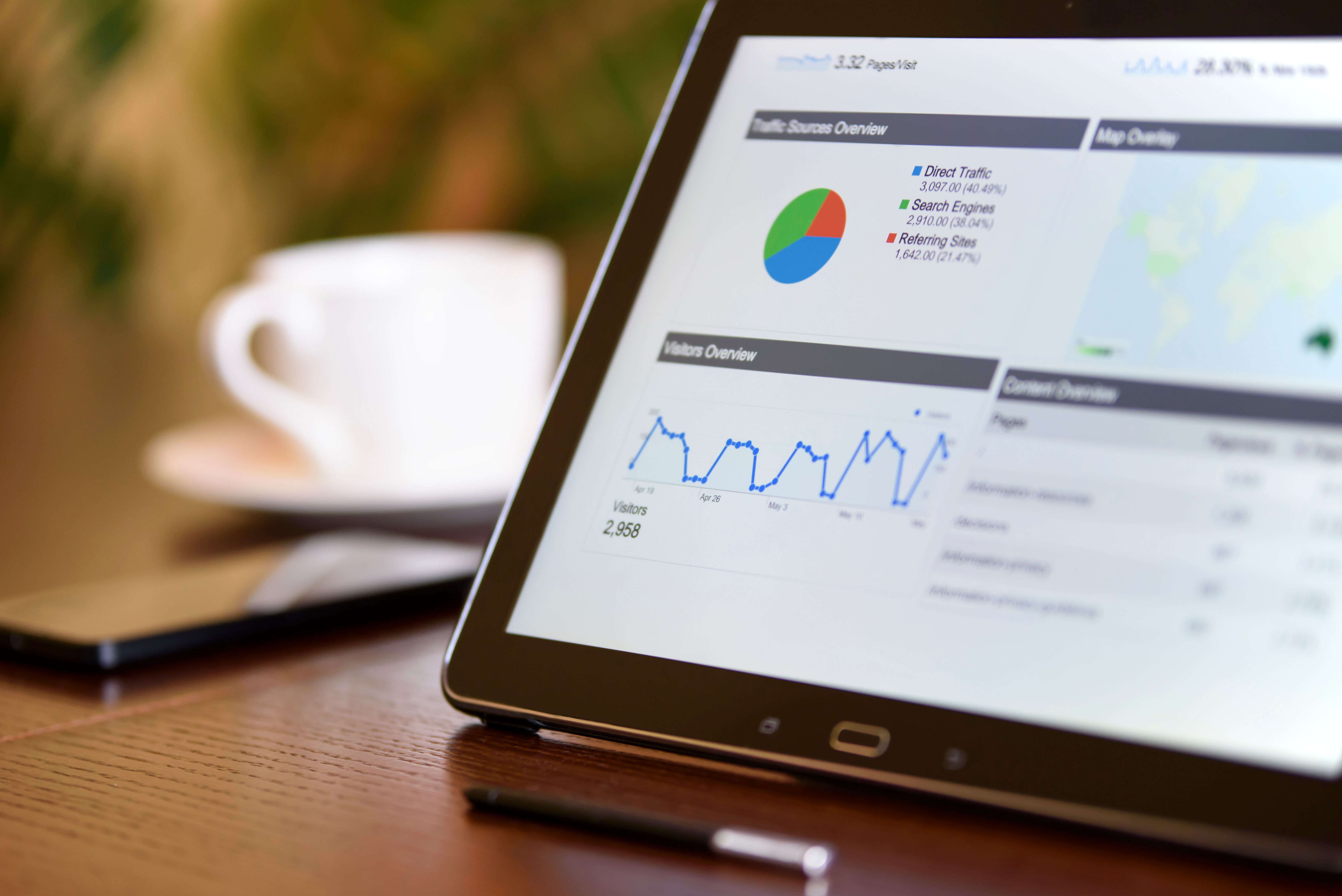
A backlink report is one of the quickest ways to understand whether your link profile is helping your SEO or creating risk. It shows where links come from, how strong they are, and whether they look natural enough to support long-term organic visibility.
If you are a website owner, blogger, marketer, or agency, learning how to check link quality helps you make better decisions about outreach, content promotion, backlink indexing, and safe link-building. It also makes it easier to spot low-value or harmful links before they affect performance.
What a backlink report shows
A backlink report is a summary of inbound links pointing to your website. Good reports usually show the linking page, anchor text, link type, referring domain, authority signals, and whether the link is indexed. Some reports also reveal first-seen dates, follow status, and traffic estimates.
The goal is not just to count links. The real value comes from understanding which links are relevant, trustworthy, and likely to support your site in a natural way. A smaller number of quality links is often more useful than a large number of weak or irrelevant ones.
Tools vary, but the principles stay the same. Whether you are reviewing links in a platform such as Ahrefs or checking data from Google Search Console, the same quality questions apply: is the link relevant, is it indexed, and does it look earned rather than forced?
How to check link quality
To assess backlink quality, start with the linking page itself. Open the page and ask whether it genuinely fits your topic. A link from a related article, resource page, or industry directory is usually more valuable than one buried on an unrelated site with thin content.
Next, review the authority and trust signals. High authority alone is not enough, but it can be useful when combined with relevance and real content. You should also check whether the domain appears active, whether the page has useful text around the link, and whether the site looks like it is maintained for users rather than only for SEO.
Anchor text is another important signal. Natural anchors such as brand names, URLs, or descriptive phrases often look safer than repeated exact-match keywords. If many backlinks use the same anchor text in a way that feels unnatural, the profile may need attention.
Link type matters too. Dofollow links can pass SEO value, while nofollow links may still bring referral traffic, brand exposure, and a more natural-looking profile. A healthy backlink report often includes a mix of both, depending on the site and how the links were earned.
Signs of a strong backlink
When you are reviewing a backlink report example, these are some of the clearest signs that a link is likely to be useful:
- The linking page is topically relevant to your site.
- The content around the link is helpful and readable.
- The link is placed naturally within the body of the page.
- The anchor text looks natural and not overly optimised.
- The referring site has real pages, not just thin or duplicated content.
- The link is discoverable and indexed, or likely to be indexed soon.
- The domain has a believable profile of outbound links and topics.
For a broader understanding of safe link-building choices, you can also review Google-safe backlinks and compare them with links that only look impressive on paper but offer little real value.
Backlink indexing and visibility
Backlink indexing is important because a link that is not crawled or indexed may provide limited SEO benefit. In a backlink report, indexing status helps you separate visible links from links that search engines may not yet have found. This is especially relevant when a link comes from a newer page or a site with weak crawl frequency.
If you are monitoring fresh backlinks, check whether the page is accessible, internally linked, and likely to be crawled naturally. A quality backlink is not only about domain strength; it also needs to be discoverable. If you need deeper guidance on this part of the process, Backlink Works has a useful backlink indexing resource that explains how discovery and crawl support work in practice.
Indexing does not guarantee rankings, but it does help ensure that your work is visible to search engines. This is why backlink reports should always be reviewed alongside content quality, internal linking, and the page the backlink points to.
Practical checklist for reviewing a backlink report
Use this simple checklist when checking link quality in any backlink report:
- Confirm the referring page is relevant to your topic or audience.
- Check whether the page is indexed and accessible.
- Review the anchor text for natural wording.
- Look at the placement of the link in the content.
- Assess the page’s quality, readability, and usefulness.
- Check whether the domain appears trustworthy and active.
- Look for a balanced mix of follow and nofollow links.
- Watch for repeated patterns that suggest manipulation.
- Note whether the link supports a useful page on your site.
- Flag any links from obviously irrelevant or low-quality pages.
If you want a structured way to understand how links are created safely, the backlink building process resource is a practical reference for learning how ethical link acquisition usually works.
Common mistakes when reading backlink reports
One common mistake is focusing only on the number of backlinks. A large link count can hide poor relevance, weak pages, repeated anchors, or links from sites that do not add real value. Quality should always come before quantity.
Another mistake is ignoring link context. A link placed in a natural article paragraph is usually more meaningful than one on a random resource page with dozens of unrelated outbound links. The surrounding text matters because it tells you whether the link was added for readers or just for SEO.
It is also easy to overreact to every low-authority link. Not every smaller site is harmful. Some smaller links are natural, relevant, and useful. The real concern is patterns: irrelevant topics, over-optimised anchors, suspicious indexing behaviour, or many links that appear manufactured.
Finally, do not treat backlink reports in isolation. A strong backlink profile works best when your site also has useful content, good internal linking, and solid technical SEO. If your overall site health needs checking, a free website SEO audit can help you spot problems that affect how backlinks support your pages.
Best practices for safer link analysis
To get the most from backlink reporting, keep your analysis practical and consistent. Check new links regularly, compare them against your target pages, and look for trends rather than isolated examples. A steady pattern of relevant links is usually a better sign than a sudden spike from poor sources.
Use these best practices:
- Review both follow and nofollow links for a balanced view.
- Prioritise relevance over raw authority.
- Track anchor text distribution over time.
- Check whether linked pages are improving in visibility.
- Keep a record of links that look suspicious or low value.
- Focus on earning links from pages that real readers would actually visit.
If you are still learning how backlinks fit into wider SEO, the backlink building guide from Backlink Works can help you connect report analysis with practical, white-hat strategy.
Conclusion
A backlink report is only useful when you know how to judge link quality, not just link quantity. By checking relevance, anchor text, indexing, placement, and trust signals, you can tell which backlinks are likely to support organic growth and which ones may need closer review.
Used well, backlink analysis helps website owners, bloggers, agencies, and businesses make smarter SEO decisions. It supports safer link-building, better content promotion, and more realistic expectations about how backlinks contribute to rankings over time.
Frequently Asked Questions
What is the most important factor in backlink quality?
Relevance is usually the most important factor. A link from a page that matches your topic and offers useful context is often more valuable than a stronger but unrelated domain. Good backlink quality also depends on natural placement, sensible anchor text, and whether the page is indexed.
Should I worry about nofollow backlinks?
Nofollow backlinks are not automatically bad. They may not pass the same direct SEO signals as follow links, but they can still bring referral traffic, brand visibility, and a more natural backlink profile. A healthy mix of link types often looks better than an unnatural pattern of only one type.
How do I know if a backlink has been indexed?
You can check indexing by looking at the linking page in a search engine or reviewing it in tools that track crawl status. If a page is not indexed, it may still become useful later, but its immediate SEO impact could be limited until search engines discover it properly.
Can a backlink report tell me if links are safe?
A backlink report can highlight warning signs, but it cannot guarantee safety on its own. You still need to review context, relevance, anchor patterns, and the quality of the linking site. Used carefully, the report helps you spot risks before they become part of a larger SEO problem.
- Sponsored Ad -





