
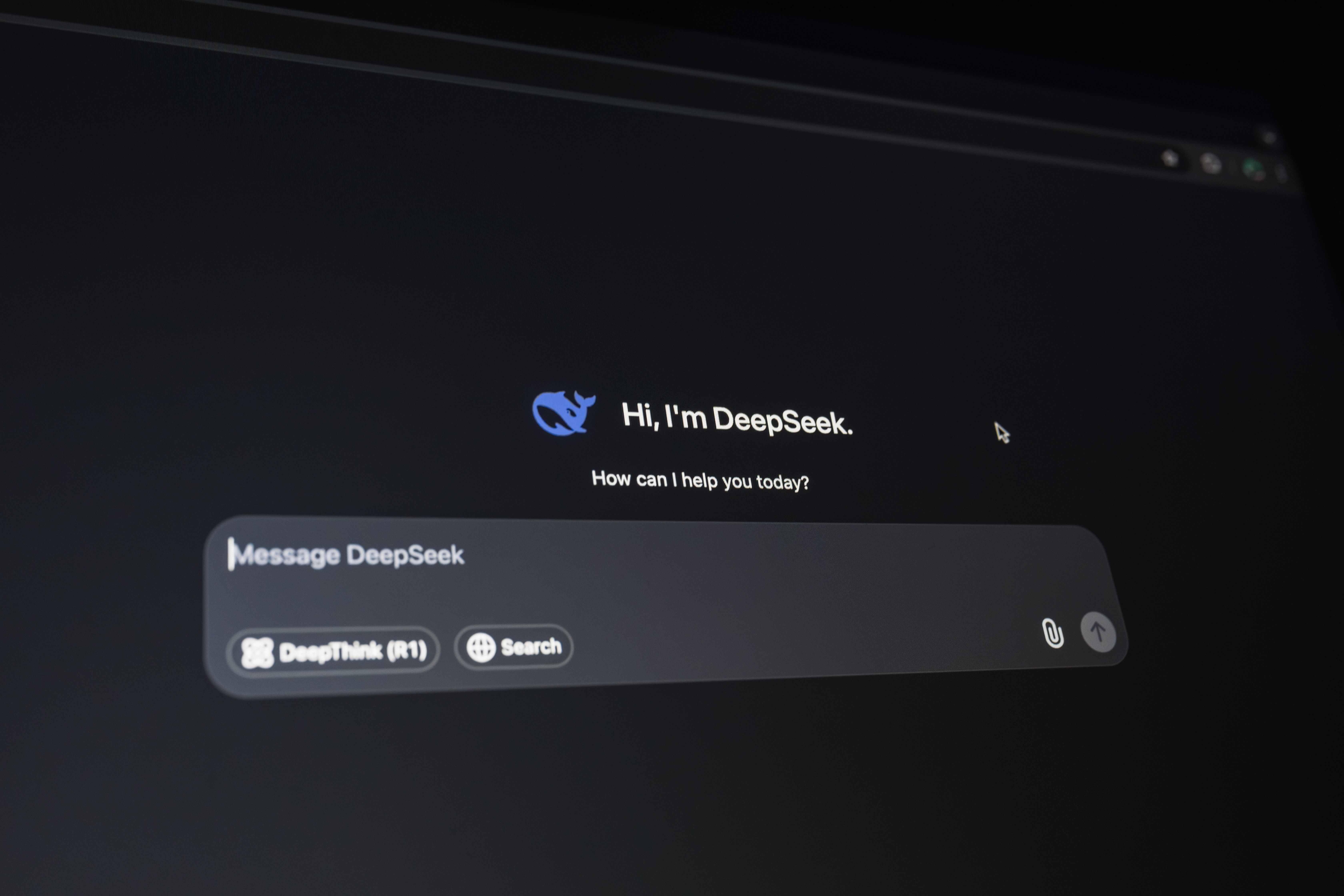
AI search is changing how people ask questions online, and that matters for anyone trying to grow visibility. If you are learning how AI Search Works: GEO Conversational Queries for Beginners, the key idea is simple: users increasingly type or speak fuller, more natural questions, and AI systems try to produce direct answers rather than only a list of blue links.
That does not make classic SEO obsolete. It does, however, mean website owners need to think about generative search, answer engines, citations, brand mentions, and how their content can be understood, trusted, and retrieved in different AI-powered experiences.
What conversational AI search actually is
Conversational search uses language that sounds closer to a real conversation than a keyword string. Instead of “best email marketing software”, a person might ask, “What is the best email marketing software for a small shop with an online store?” AI systems then interpret the intent, look for relevant information, and generate a response that may blend several sources.
This is where terms like Generative Engine Optimisation (GEO), Answer Engine Optimisation (AEO), and LLM visibility come in. These labels are still developing, and different marketers use them differently. In practice, they refer to the same broad challenge: making content easier for AI systems, search engines, and users to understand.
For a beginner, the best starting point is still a strong SEO foundation. If your pages are clear, crawlable, well structured, and genuinely useful, they are more likely to be understood by both traditional search and AI-assisted discovery. For a practical SEO baseline, see Backlink Works’ free website SEO audit.
How AI-generated answers differ from traditional search results
Traditional search usually presents a ranked list of pages. AI search may instead produce a summary, then show a few sources, follow-up prompts, or supporting links. The experience can feel more direct, but it is also less predictable because the system may combine facts from multiple pages and present them in a different way each time.
That matters for website visibility in AI-generated answers. A page might be cited, mentioned, paraphrased, or not shown at all depending on the query, the platform, the interface, and the available sources. A clickable citation, a text-only brand mention, and a referral visit are not the same thing. A citation may lead to traffic, but it does not guarantee it. A brand mention may help awareness without sending a visit. A traditional ranking is still another separate measure.
Different platforms also behave differently. Google AI Overviews and Google AI Mode, ChatGPT Search, Perplexity, Microsoft Copilot Search, Gemini, and Claude may surface sources in distinct ways. Their interfaces, data sources, and reporting options may change over time, so it is safer to evaluate each platform on its current behaviour rather than assume they all work alike. Google’s own guidance on AI features in Search is a useful reference for understanding how Google presents these experiences.
What GEO means for content, entities, and citations
GEO in this context is not a replacement for SEO. It is a way of thinking about content so that AI systems can more easily identify the subject, source, and relevance of a page. That often involves entity optimisation, which means being clear about who you are, what your business does, and how your pages connect to your brand, products, or topics.
Entity clarity can be supported by consistent business details, accurate author information, transparent editorial pages, and visible source references. Structured data can help machines interpret a page, but it does not guarantee inclusion, rankings, or citations. It should match what is actually on the page, not what you wish search systems to infer.
For AI search, source authority still matters. A well-researched guide, a product page with accurate details, or a published help article may be easier to trust than thin, generic content. That said, AI systems can still make mistakes, omit context, or cite sources inconsistently. Brand visibility in these environments is therefore partly about technical quality and partly about reputation, relevance, and how well your content answers the query.
Practical content habits that support AI search visibility
Begin with the user’s likely question. Write in plain language, answer the main query early, and then add supporting detail where it helps. Pages should be useful to humans first, because AI systems often favour content that is clear, specific, and reliable rather than padded with repetition.
A helpful approach is to align page sections with real search intent. For example, if someone asks about AI search traffic, explain what can be measured, what cannot be measured cleanly, and which metrics matter most for the business. If a topic is product-led, include features, comparisons, and practical use cases. If it is informational, make definitions and examples easy to scan.
AI-generated content can be part of that process, but it needs human review. Unchecked AI output can contain factual errors, weak sourcing, duplicated phrasing, or outdated claims. The safer path is to use AI as an assistive tool, then edit for accuracy, originality, and brand voice.
- Answer the primary question clearly near the top of the page.
- Use concise headings that reflect real user questions.
- Keep facts current and source-backed.
- Make entity details, authorship, and contact information easy to find.
- Use structured data only where it accurately matches visible content.
Technical access, indexing, and search analytics
AI visibility depends not only on content, but also on technical accessibility. Search-engine crawlers, AI-related crawlers, training-related crawlers, and user-triggered retrieval are not the same thing. One system may crawl a page for indexing, another may fetch a page when answering a query, and another may use different access rules altogether.
That is why robots.txt, meta tags, server rules, and page performance all deserve attention. Before changing anything, check current official documentation and test carefully. Allowing one crawler does not guarantee visibility in an AI answer, and blocking one crawler does not remove every mention of your site across all systems.
Measurement is still developing too. Some AI-assisted visits may appear as referral traffic, some may look direct, and others may be difficult to separate from broader search activity. Useful checks include landing page trends, branded search demand, query themes, referral sessions, assisted conversions, and whether your brand is being described accurately. For broader SEO and content strategy work, Backlink Works also offers guidance on the backlink building process, which remains relevant because authority and discoverability still matter in traditional search.
Common mistakes to avoid
One common mistake is writing for AI systems instead of people. Another is treating GEO, AEO, or LLMO as if they are fixed formulas with universal ranking factors. That can lead to shallow content changes that do little for readers.
Avoid keyword stuffing, hidden text, fake reviews, fabricated mentions, or misleading schema. These tactics do not build durable visibility and can create trust or eligibility problems. It is also unwise to assume that appearing in one AI platform means you will appear in another. Each system may choose sources differently and may change over time.
Finally, do not ignore traditional SEO. Crawlability, internal linking, page quality, mobile usability, and strong information architecture still support discoverability across search experiences, even when the results are increasingly AI-shaped.
Conclusion
For beginners, the best way to approach AI search is to think in layers. Start with useful content, clean site structure, and trustworthy brand information. Add clear entity signals, accurate structured data, and sensible measurement. Then test how your pages perform across search engines and AI answer experiences without expecting guaranteed inclusion.
AI search is still evolving, and so are the terms around it. GEO conversational queries are best treated as part of a broader visibility strategy: one that serves people first, supports machines second, and stays flexible as platforms change.
Frequently Asked Questions
What is the simplest way to explain AI search?
AI search is a search experience where the system tries to answer a question directly, often by summarising information from one or more sources rather than only showing a standard results list.
Is GEO the same as SEO?
No. GEO is an emerging term for optimising content so AI systems can understand and use it more easily. It may complement SEO, but it does not replace the need for good technical and content foundations.
Can I make my site appear in Google AI Overviews or ChatGPT Search?
No one can guarantee that. Visibility depends on many factors, including query context, page quality, crawlability, source authority, and the design of the platform itself.
How should I measure AI search traffic?
Look at referral visits, landing pages, branded queries, assisted conversions, and changes in how accurately your brand is mentioned. Measurement may be incomplete, so use several indicators together.
- Sponsored Ad -





