
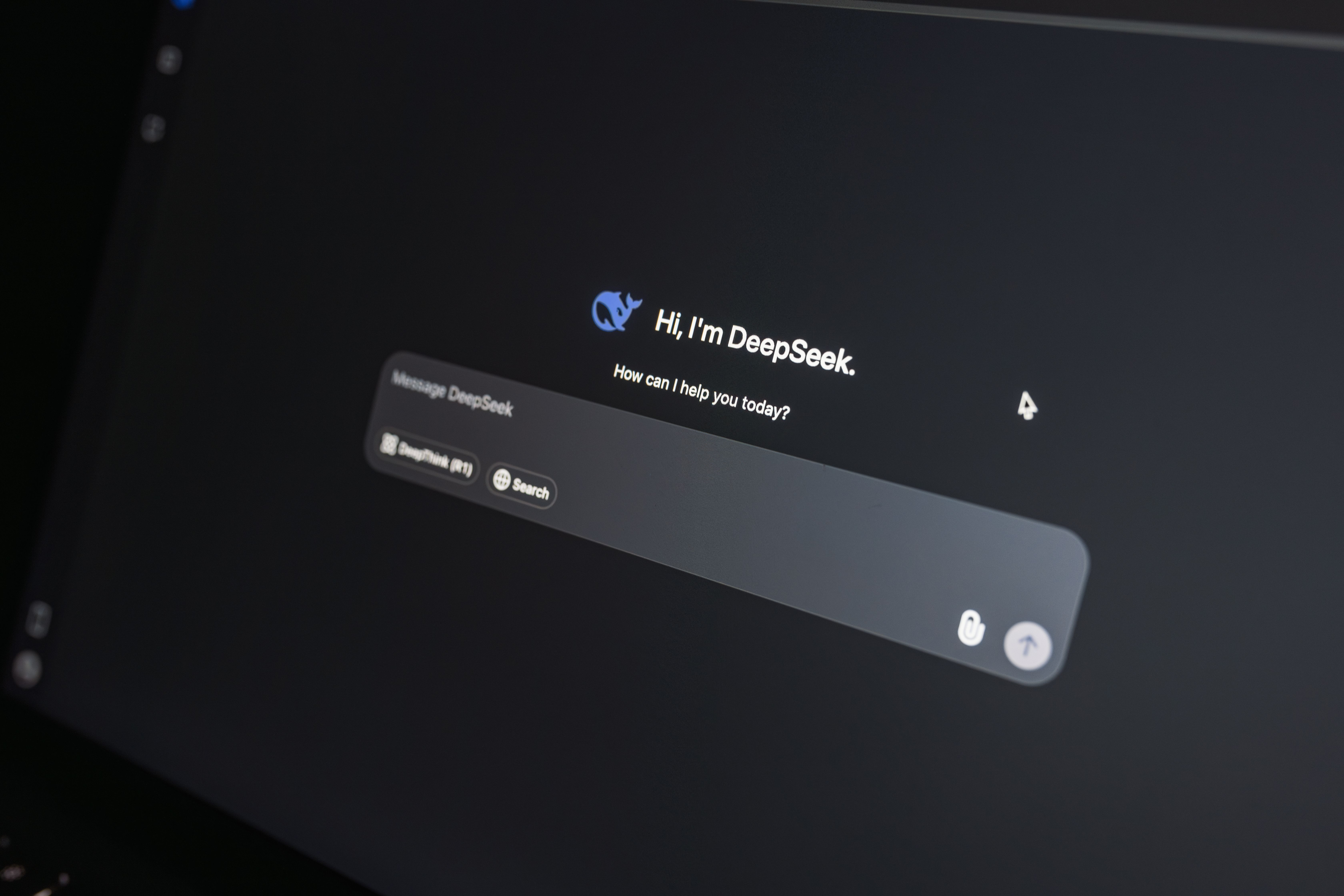
AEO for Website Owners: How AI Search Works in 2026 is about making your site understandable, trustworthy, and useful enough to be surfaced in AI-generated answers. That matters because search is no longer only a list of blue links; many queries now lead to conversational results, summaries, and source citations drawn from multiple pages.
For website owners, the practical challenge is not “how do I force my site into AI answers?” but “how do I improve the chances that my content is easy to find, interpret, and trust?” The answer still starts with solid SEO, clear content, and technical accessibility, then extends into entity clarity, structured data, and careful monitoring of AI search behaviour.
What AEO means in practice
Answer Engine Optimisation (AEO) is a shorthand for improving how content may be discovered and used by answer engines: systems that try to provide a direct response rather than only a page list. Generative Engine Optimisation (GEO) and LLM visibility are related terms, usually used to describe the same broad goal from slightly different angles.
The language is still developing, and different marketers use these terms differently. For website owners, the useful idea is simple: create content that can be read by humans, crawled by search systems, and understood as a reliable source by AI-assisted experiences.
That includes conversational search, where users ask longer, more specific questions, and semantic search, where systems try to understand meaning rather than match exact words. If your content answers real questions clearly, it is more likely to be useful across multiple search experiences, even though no outcome can be guaranteed.
How AI search differs from traditional search
Traditional search usually presents a ranked list of results. AI search experiences may summarise information, combine details from several sources, and show a citation, a brand mention, or a follow-up prompt. The presentation can vary by query, account, location, device, and platform version.
For example, Google AI Overviews may display a generated summary above or alongside results for some queries, while Google AI Mode is designed to support more conversational exploration. OpenAI’s ChatGPT Search, Perplexity, Microsoft Copilot Search, Gemini, and Claude-based experiences may each handle web access, source attribution, and answer formats differently.
That means one page might be cited in one system but ignored in another, or appear as a brand mention without a link. Different platforms may also update how they retrieve, summarise, and display sources over time, so it is wise to treat current behaviour as subject to change rather than fixed rules. For Google’s own guidance on AI features, see Google’s documentation on AI features in Search.
What helps a site show up in AI-generated answers
There is no confirmed universal formula for AI citations or inclusion. However, several foundations matter across both classic SEO and AI search: crawlability, indexability, content quality, source authority, and technical clarity.
Start with pages that answer a specific question well. Use plain language, define specialist terms, and make the page structure easy to follow. Clear headings, concise paragraphs, and accurate detail help both users and machines understand what the page is about.
Entity optimisation also matters. An entity is a recognisable thing such as a brand, person, product, or organisation. Consistent business names, addresses, author profiles, and organisation details help systems connect your content to your real-world brand. Structured data can support that understanding, but it should match visible content and never be used to mislead.
If you use schema markup, validate it carefully with an approved testing tool. The goal is clarity, not manipulation. Strong content and technical accuracy are still more important than adding tags for their own sake.
AI citations, brand mentions, and traffic: what to measure
It helps to separate a few different outcomes. A clickable citation can send referral traffic. A text-only brand mention may improve recognition without a click. A recommendation is a stronger statement from the AI system, but it still does not guarantee trust or conversion. An organic search impression is different again, because it happens in a traditional results page rather than an AI answer.
These signals can overlap, but they are not the same. A brand mention in an answer is not automatically endorsement, and a citation is not proof of accuracy. AI-generated responses can be incomplete, outdated, or inconsistent in how they attribute sources.
From an analytics perspective, some visits may appear as referral traffic, some as direct, and some may be hard to classify depending on platform behaviour and your tracking setup. A useful starting point is a free website SEO audit that helps you review crawlability, indexation, and content quality before looking at AI search visibility.
To measure progress, track branded search interest, referral visits from known AI surfaces where available, landing page engagement, enquiry quality, and recurring topics that appear in AI-driven conversations. If you are publishing content for AI search, do not ignore human outcomes; a page that gets mentioned but does not help visitors is not doing its job.
Technical access, crawlers, and content quality
AI search systems may use different routes to find and process web content. Some rely on traditional search indexing, some use user-triggered retrieval, and some may involve AI-related crawlers or partner data sources. Search-engine crawlers, training-related crawlers, and retrieval systems are not the same thing, and their purposes may differ.
That is why technical access still matters. Check that important pages are indexable, that internal links are crawlable, and that robots rules match your intent. If you are thinking about crawler controls, review current official documentation first and test changes carefully. A blocking decision for one bot does not necessarily affect every AI system in the same way.
AI-generated content also needs editorial care. AI-assisted writing is not automatically bad, but unreviewed output can contain factual errors, weak sourcing, duplicated phrasing, or tone that does not fit your brand. Human review, original insight, and clear attribution remain essential. For practical SEO and content guidance, Google’s helpful content guidance is a sensible reference point.
A practical checklist for website owners is straightforward: keep pages fast enough to use, make navigation clear, keep facts current, use source-backed claims, and make your business information consistent across the site. Those steps will not guarantee inclusion in AI answers, but they do reduce friction for both search systems and readers.
Common mistakes to avoid
One common mistake is treating AEO as a replacement for SEO. Traditional SEO still supports discovery, especially through technical health, page quality, internal linking, and topical relevance. Another mistake is assuming that adding FAQs or schema alone will unlock AI citations. Those elements may help clarity, but they do not create visibility on their own.
Website owners should also avoid chasing artificial authority signals. Fake reviews, fabricated mentions, keyword stuffing, cloaking, hidden text, and mass-produced low-quality pages can damage trust. AI systems are designed to summarise useful information, not to reward deceptive tactics.
If your site is brand-led, reputation matters as much as page structure. Clear author bios, transparent editorial policies, accurate company details, and credible third-party references all contribute to how your brand may be interpreted across search and AI experiences.
Conclusion
AI search in 2026 is changing how people discover information, but it has not replaced the need for strong websites. Website owners who focus on helpful content, technical accessibility, clear entities, and trustworthy brand signals are better positioned for both traditional search and AI-generated answers.
The safest approach is to treat AEO as an extension of good SEO, not a shortcut around it. Build pages that answer real questions, keep them accurate, and monitor how your brand appears across platforms. Visibility in AI search may grow, shift, or remain limited depending on many factors, so the goal is steady improvement rather than a promised outcome.
Frequently Asked Questions
What is the difference between AEO and SEO?
SEO focuses on improving visibility in search results generally, while AEO focuses on making content easier for answer engines and AI systems to understand and summarise. In practice, they overlap a lot.
Can I optimise a page to be cited in Google AI Overviews or ChatGPT Search?
You can improve the clarity, authority, and accessibility of a page, but you cannot guarantee citation or inclusion. Each platform may choose sources differently and may change its presentation over time.
Do structured data and FAQs help with AI search visibility?
They can help explain page meaning, but they do not guarantee AI citations or recommendations. Use structured data only when it accurately reflects the visible content on the page.
How should I start measuring AI search visibility?
Look at referral traffic where available, branded search interest, page engagement, and conversion quality. Also monitor whether your brand is mentioned accurately in AI-generated answers and compare that with your key topics.
- Sponsored Ad -





