
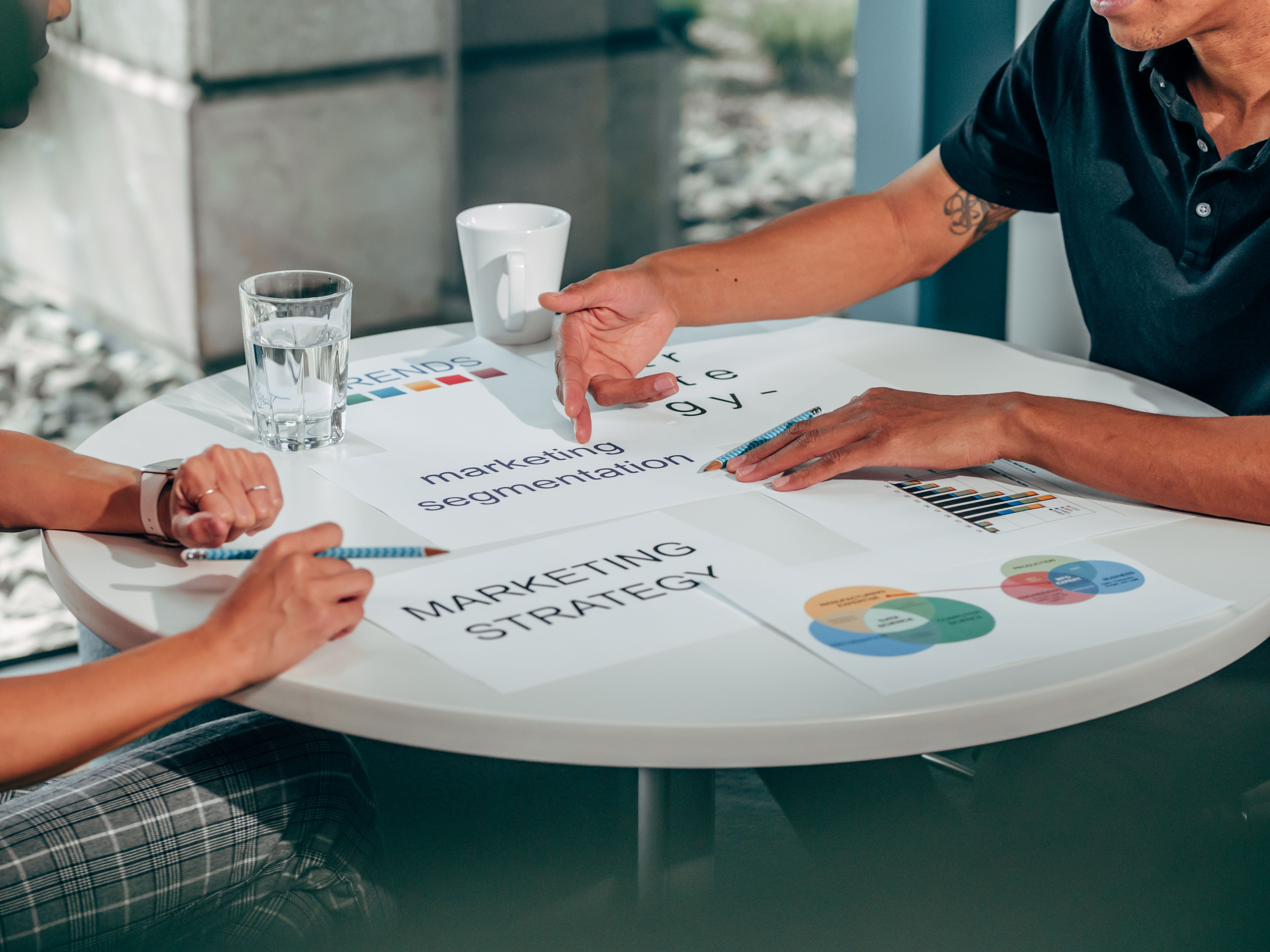
Artificial intelligence is changing the way businesses approach SEO, content marketing, and website growth. Used well, AI can help teams research faster, plan smarter, create more relevant content, and spot opportunities in search data without replacing the strategic thinking that good digital marketing still needs.
For website owners, startups, ecommerce brands, agencies, and service businesses, the real value of AI is not automation for its own sake. It is the ability to improve decision-making across online marketing strategy, content quality, lead generation, conversion optimisation, and brand visibility while keeping the work focused on measurable outcomes.
What AI Means in Digital Marketing
In digital marketing, AI usually refers to tools and systems that analyse data, identify patterns, and assist with tasks such as keyword research, content drafting, audience segmentation, ad targeting, and performance reporting. It can save time on repetitive work and help marketers make more informed choices.
That does not mean AI should replace strategy. A useful AI marketing workflow still needs human review, brand knowledge, and clear business goals. The strongest results usually come when AI supports research and production, while marketers shape the message, optimise for search intent, and refine the user journey.
How AI Supports SEO Strategy
AI can make SEO-driven marketing more efficient by helping teams understand what people are searching for and how competitive different topics are. It can group keywords by intent, surface content gaps, and suggest semantically related phrases that help pages cover a subject more fully.
For example, if a business wants to rank for a service page, AI can help identify related questions, comparison terms, and local variations that improve relevance. This is useful for local business marketing, ecommerce category pages, and blog content that supports long-term organic growth.
AI also helps with technical SEO analysis. Many tools can flag issues such as thin content, duplicate page patterns, internal linking weaknesses, and pages that may need better metadata or structure. If you are starting with a broader SEO strategy, a free website SEO audit can be a practical first step before you scale content or link building.
AI and Content Marketing: Faster, But Still Human-Led
AI can support content marketing by speeding up outlines, headline ideas, FAQs, and content briefs. It can also help teams repurpose one piece of content into formats for email marketing, social media marketing, or ecommerce marketing campaigns.
However, search engines and audiences both respond better to content that feels useful, accurate, and original. AI-generated drafts still need fact-checking, editing, and brand alignment. Businesses should use AI to improve workflow, not to publish large volumes of shallow content.
A strong approach is to use AI for first drafts and idea generation, then add real expertise, examples, customer insights, and clear calls to action. That creates content that supports website traffic growth, trust, and lead generation rather than simply filling a blog calendar.
Improving Website Traffic with Smarter Content Planning
AI can help businesses find content opportunities that match different stages of the customer journey. Some people are researching a problem, some are comparing providers, and others are ready to buy. Mapping content to those stages helps attract more qualified visitors, not just more visits.
For instance, a consultant might use AI to identify educational blog topics for awareness, service comparison pages for consideration, and strong landing pages for conversion. An ecommerce brand may use AI to improve product descriptions, category copy, and seasonal content around search demand.
This matters because traffic quality is often more important than traffic volume. If your content matches intent, you are more likely to support sales, enquiries, newsletter sign-ups, and repeat visits. You can also use structured backlink strategy to strengthen authority over time; Backlink Works offers resources on its backlink building process for businesses that want to understand that side of SEO better.
AI for PPC, Analytics, and Conversion Optimisation
AI is also useful in paid search and wider performance marketing. In Google Ads and other PPC platforms, AI may help with bidding, audience signals, and ad variation testing. But results still depend on targeting, budget, landing page quality, offer strength, competition, and ongoing optimisation.
The same applies to analytics. AI can surface trends faster, but marketers still need to interpret what the data means. A rise in traffic is not always a win if bounce rates are high or conversions are weak. Good analysis connects visibility metrics with business outcomes such as enquiries, purchases, booked calls, or subscriptions.
For conversion optimisation, AI can highlight where users drop off, which pages need clearer messaging, and which content blocks may be underperforming. Tools such as Microsoft Clarity can help teams understand behaviour through recordings and heatmaps, which makes optimisation decisions more practical.
Best Practices for Using AI Without Hurting Quality
AI works best when it is part of a thoughtful process. Before using it widely, businesses should define the audience, the offer, the goal of each page, and the main metric they want to improve. That keeps content and campaigns aligned with business growth.
Here is a simple checklist to follow:
- Use AI for research, outlines, and pattern recognition.
- Edit every output for accuracy, tone, and brand fit.
- Focus on search intent, not just keywords.
- Strengthen pages with internal links, clear calls to action, and helpful visuals.
- Track results in analytics and adjust based on real user behaviour.
It is also worth avoiding common mistakes such as publishing unedited AI content, over-optimising for keywords, ignoring user experience, or relying on automation for customer trust. Search visibility improves more reliably when content is genuinely useful and the website makes it easy for visitors to act.
Conclusion
AI is improving SEO, content marketing, and website traffic by helping businesses work faster, analyse smarter, and create more relevant digital experiences. When used well, it supports online visibility, audience engagement, lead generation, and conversion-focused website strategy.
The key is balance. AI can streamline research, planning, and reporting, but human judgement still matters for quality, trust, and long-term brand growth. Businesses that combine AI with strong SEO fundamentals, useful content, and consistent optimisation are usually better placed to grow their online presence over time.
Frequently Asked Questions
How does AI help with SEO?
AI helps with keyword research, content planning, technical analysis, and identifying search intent more efficiently. It supports SEO, but it does not replace strategy or quality control.
Can AI content rank well on Google?
It can, if it is accurate, useful, well edited, and created to meet user intent. Low-quality or repetitive AI content is unlikely to perform well over time.
Does AI improve website traffic straight away?
No. Organic growth usually takes consistent effort, useful content, and ongoing optimisation. AI can speed up the work, but it does not remove the need for patience.
Is AI useful for PPC and paid social ads?
Yes, especially for testing, targeting, and optimisation support. Results still depend on budget, audience fit, creative quality, landing pages, and tracking.
- Sponsored Ad -





