
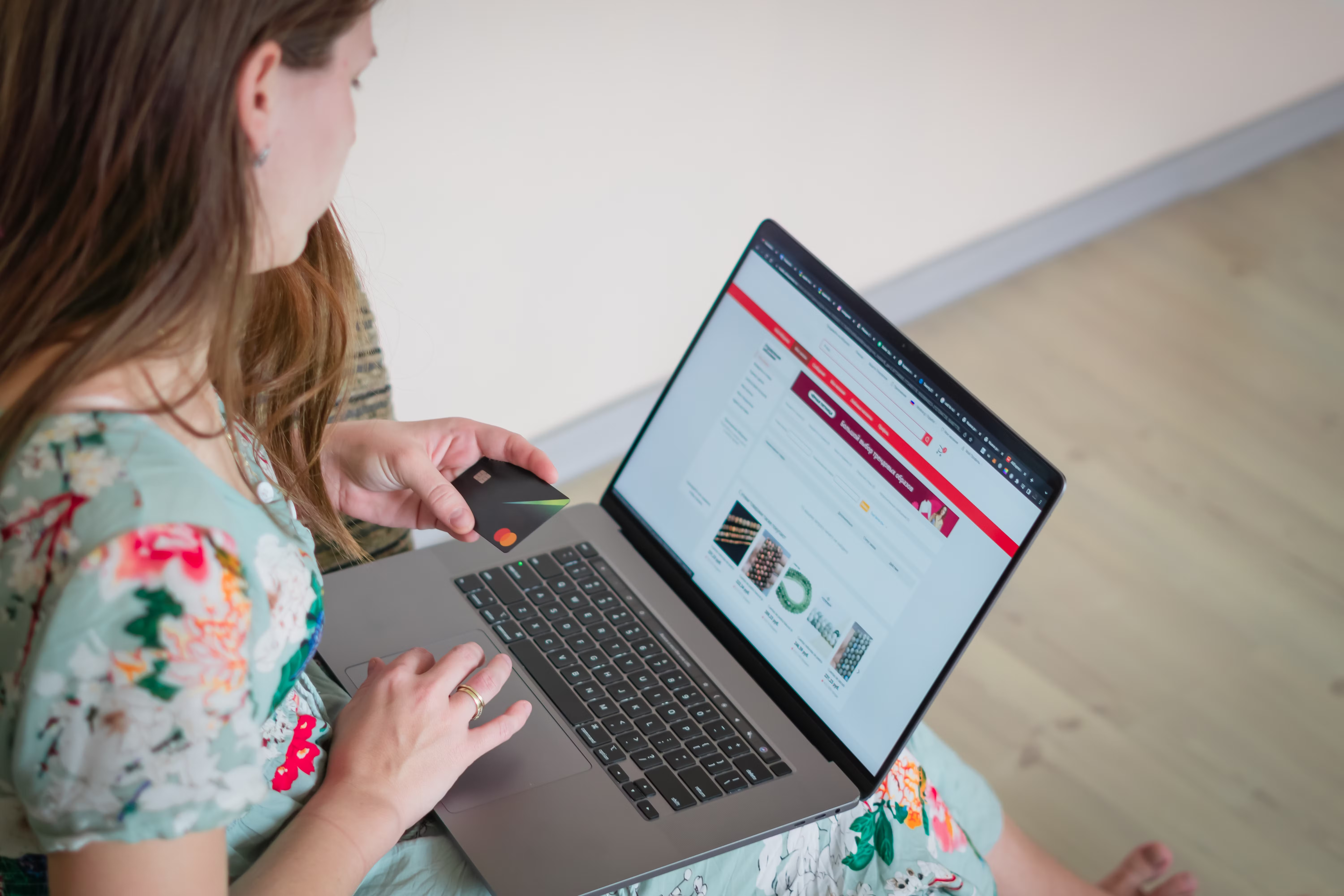
Ecommerce product layout SEO is the practice of organising product, category and supporting pages so search engines can crawl them easily and shoppers can navigate them without friction. It is not just about putting keywords in the right places. It also affects how product pages are discovered, how category pages rank, and how effectively visitors move from browsing to buying.
For online stores, layout decisions influence both visibility and usability. A clear structure can support online store SEO, improve internal linking, reduce duplicate content issues, and create a better mobile shopping experience. Results will still depend on site quality, product demand, competition, technical setup, content quality, user experience and consistent optimisation.
What ecommerce product layout SEO actually means
Product layout SEO starts with page hierarchy. Your homepage should lead to main categories, categories should lead to subcategories where needed, and product pages should sit within a logical structure. This helps search engines understand which pages are most important and which queries each page should target.
A well-planned layout also supports ecommerce keyword research. Category pages often suit broader terms such as “men’s running shoes”, while product pages are better for specific terms such as a brand, model or variant. Trying to make every page rank for the same phrase usually creates confusion and weakens relevance.
When structure is clear, you make it easier to build an ecommerce content strategy that supports product discovery. That may include buying guides, size guides, comparison pages and FAQs that link back to key product and category pages.
How to structure product and category pages for search
Category page SEO is often overlooked, yet these pages can be powerful landing pages for organic traffic. Each category should have a unique title tag, a clear H2 or short intro, useful copy that explains the range, and links to related subcategories or best-selling products where appropriate.
Product page SEO should focus on clarity and specificity. Use concise product names, unique descriptions, descriptive image alt text and structured details such as dimensions, materials, compatibility or usage. Avoid copying manufacturer text where possible, because duplicate product content can make it harder for your pages to stand out.
For larger catalogues, think carefully about how filters, sort options and variant pages are handled. Faceted navigation can be useful for shoppers, but it can also create crawlable combinations that waste crawl budget or produce near-duplicate URLs. The aim is to keep useful filter pages accessible while preventing index bloat.
Technical SEO foundations for ecommerce layouts
Ecommerce technical SEO is what makes the layout indexable and efficient. Search engines need clean links, logical URL patterns, proper canonical tags, XML sitemaps and robots rules that prevent unnecessary pages from being indexed. A store with thousands of products can still struggle if the crawl paths are messy.
One practical step is to review whether internal links point to the most valuable versions of pages. For example, if a product has colour or size variants, decide whether one primary URL should carry the main SEO value. This reduces duplication and keeps authority concentrated.
Core Web Vitals also matter because layout affects loading behaviour and stability. Heavy image galleries, oversized scripts and excessive layout shifts can make pages feel slow or unstable. You can test key templates with Google’s PageSpeed Insights and then reduce image weight, streamline apps or plugins, and remove unnecessary elements above the fold.
If you use a free SEO audit, review product template speed, crawlability and indexation together rather than as separate tasks. Layout decisions often affect all three.
Shopify SEO and WooCommerce SEO layout considerations
Shopify SEO and WooCommerce SEO both depend on how the store platform handles templates, collections, categories and product variants. The platform itself is not the main ranking factor, but it does shape how much control you have over URLs, metadata, schema and internal linking.
On Shopify, collection pages often do most of the category work, so they need strong copy, useful links and a sensible hierarchy. On WooCommerce, product categories and tags need tighter control to avoid thin or overlapping pages. In both systems, the layout should make it obvious which pages are commercial landing pages and which pages are supporting content.
For ecommerce schema markup, product pages should usually include structured data for Product, Offer and, where appropriate, Review or AggregateRating. This does not guarantee enhanced results, but it can help search engines interpret product details more clearly. If you are unsure how your markup is implemented, testing with Google’s rich results tools is a sensible check.
Internal linking, mobile UX and conversion-focused layout
Ecommerce internal linking is one of the simplest ways to strengthen layout SEO. Link from categories to featured products, from product pages to related products, from guides to relevant categories, and from out-of-stock alternatives to available substitutes. This helps both users and search engines move through the site.
Mobile ecommerce SEO deserves particular attention because many shoppers browse on smaller screens. Keep navigation compact, avoid intrusive pop-ups, ensure tap targets are easy to use and place important information near the top of the page. A clean layout improves usability and can support conversions, although actual results depend on traffic quality, pricing, trust signals, checkout experience and testing.
Trust elements also belong in the layout. Clear delivery information, returns policies, size guidance, and visible reviews can reduce hesitation. If you sell products that are frequently compared, side-by-side comparison blocks or “related products” modules can help shoppers make informed decisions.
Handling duplicate content, out-of-stock pages and growth opportunities
Duplicate product content is common in ecommerce because many stores sell similar items, variants or syndicated descriptions. The best response is not to hide content, but to improve it. Add specific use cases, feature summaries, size guidance, compatibility notes or buying advice that reflect what makes the product page useful.
Out-of-stock product SEO should be handled thoughtfully. If a product is likely to return, keep the page live, explain the status clearly and suggest alternatives. If it is permanently unavailable, consider redirecting to the closest relevant category or successor product. Removing pages without a plan can waste links and frustrate shoppers.
As the catalogue grows, review the site architecture regularly. New categories, filters and seasonal collections should fit the existing structure rather than sit outside it. For ecommerce teams that need a broader SEO roadmap, this guide to building authority can complement on-page work, but product layout should still remain the foundation.
Best practices checklist for ecommerce product layout SEO
Before making changes, check the basics:
Keep category pages focused on broad search intent.
Use unique, specific product descriptions rather than copied text.
Limit indexable faceted URLs to combinations that add real value.
Strengthen internal links between categories, products and guides.
Test mobile layouts, page speed and Core Web Vitals regularly.
Use schema markup for products where it matches the page content.
Manage out-of-stock items with clear user guidance and sensible redirects.
Conclusion
Ecommerce product layout SEO is about making your store easier to understand, easier to crawl and easier to shop. When page structure, product content, category optimisation and technical SEO work together, your store is better positioned for organic traffic growth and improved user experience.
The most effective approach is usually steady improvement: refine page hierarchy, reduce duplication, improve speed, strengthen internal links and keep content genuinely helpful. For many stores, that combination supports both search visibility and conversions over time, without relying on shortcuts or misleading tactics.
Frequently Asked Questions
What is the difference between product page SEO and category page SEO?
Product pages target specific items, while category pages target broader search intent and help shoppers browse related products.
How does faceted navigation affect ecommerce SEO?
Faceted navigation can create many URL combinations. If unmanaged, it may cause duplicate or low-value pages to be crawled or indexed.
Should out-of-stock products be deleted?
Not always. If the product may return, keep the page live with clear messaging and alternatives. If it is gone permanently, use a relevant redirect.
Do Shopify and WooCommerce need different SEO layouts?
Yes, to some extent. Both need clear structure, but the way collections, categories, variants and templates are handled differs by platform.
- Sponsored Ad -





