
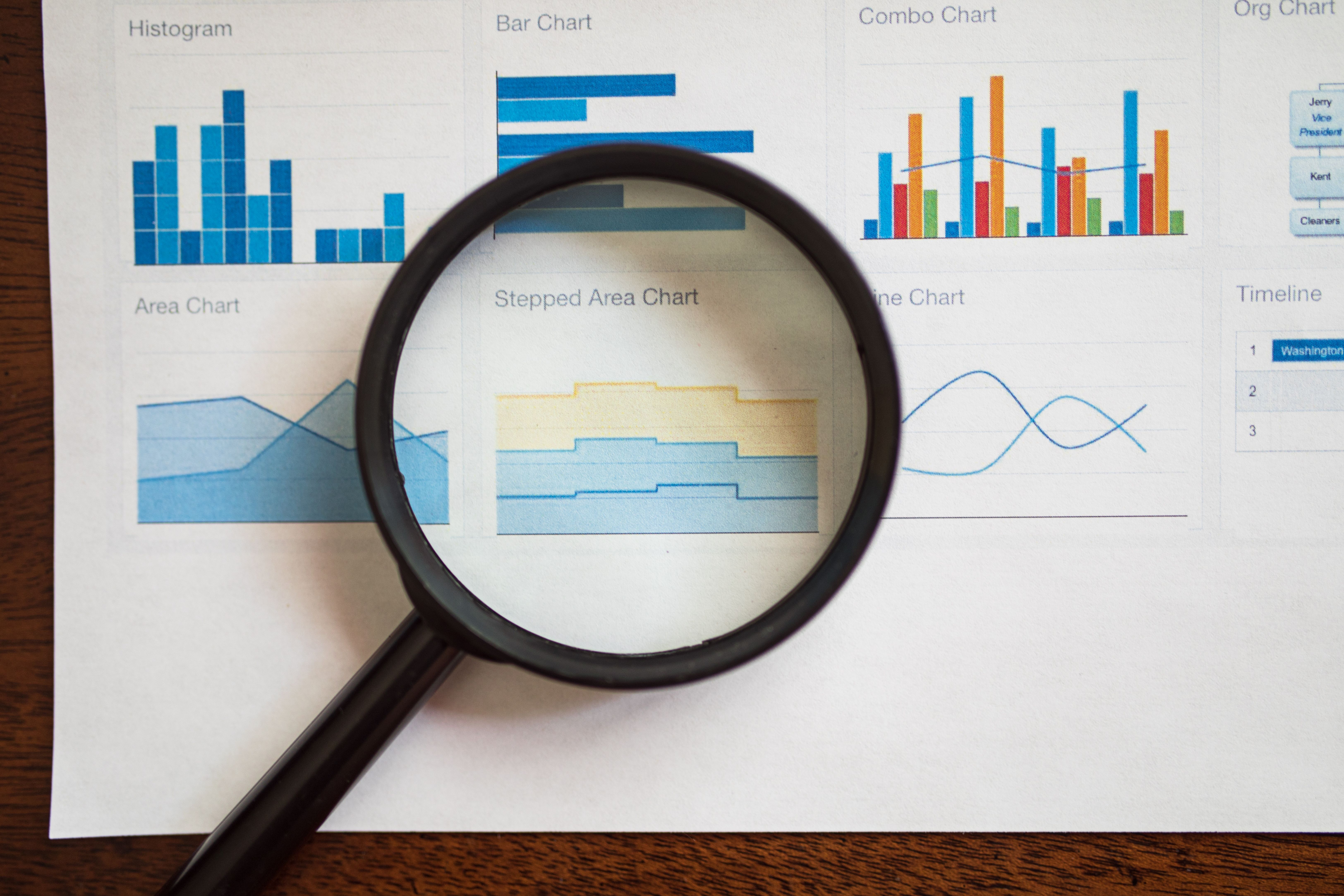
Google Search Console continues to be one of the most useful sources of truth for SEO professionals, website owners, and WordPress users who want a clearer view of search performance. While it does not show every ranking factor, it often highlights the signals that matter most: indexing, crawling, pages that are eligible to appear in search, and the queries bringing users to a site.
At the same time, WordPress SEO reporting has become more data-led and more connected to broader website performance. Teams now want reporting that combines Search Console insights, page experience data, content quality signals, and technical SEO checks in one place. That shift is changing how businesses monitor visibility and prioritise improvements.
Why Search Console remains central to SEO reporting
Google Search Console is still the clearest free source for understanding how Google sees a website. It helps identify which pages are indexed, which queries trigger impressions, where click-through rates are weak, and whether technical issues are blocking visibility.
For SEO reporting, this matters because it separates guesswork from evidence. A page may look fine in a browser but still have indexing, mobile usability, or rich results issues that reduce its search potential. Search Console gives website owners a practical starting point for diagnosing those problems.
If you are building a wider reporting process, it is sensible to pair Search Console with a structured free website SEO audit so technical and content issues are reviewed together rather than in isolation.
What the latest Search Console focus means for website owners
Rather than a single dramatic change, the main trend is that Search Console continues to reward websites that are technically clean, helpful, and easy to understand. The performance reports, indexing tools, page experience signals, and enhancement reports are still the areas most SEO teams watch closely.
For many sites, the most valuable insight is not a sudden ranking movement but a gradual pattern: queries gaining impressions, pages losing clicks despite stable visibility, or important templates failing to be indexed as expected. These are often the early signs that content, internal linking, or technical structure needs attention.
What to check first
Start with the Performance report to identify pages that receive impressions but underperform on clicks. Then review the Indexing section for excluded pages, soft 404s, duplicate variants, and crawl-related issues. Finally, examine whether structured data and mobile usability are supporting the pages you most want to rank.
WordPress SEO reporting is becoming more integrated
WordPress websites now rely on more integrated reporting than simple plugin dashboards. Site owners want a better connection between content publishing, technical health, and organic performance. That often means combining Search Console data with WordPress SEO plugins, analytics platforms, and page speed tools.
This trend is especially important for blogs, service sites, and ecommerce stores built on WordPress. A post that performs well in search may still need updates to headings, internal links, schema, or image optimisation. Reporting that only tracks rankings will miss these opportunities.
Many site owners use plugins such as Yoast or Rank Math for on-page guidance, then validate outcomes through Google’s own tools. For page experience checks, Google PageSpeed Insights remains a useful companion to Search Console because site speed and usability continue to shape user behaviour and technical SEO priorities.
SEO reporting trends: from rankings to visibility patterns
One of the biggest reporting shifts is the move away from single-keyword ranking snapshots. Modern SEO reporting is increasingly about visibility patterns across groups of pages, search intents, and content types. This is particularly useful as search results change shape and AI-driven answer formats alter how users interact with listings.
For example, a page may hold steady in average position but still lose clicks because the search results page now satisfies more queries directly. That does not mean SEO has failed. It means reporting needs to track impressions, clicks, CTR, indexed coverage, and page performance together.
For WordPress users, this also means reporting should not stop at blog posts. Category pages, product pages, location pages, and help content all deserve their own visibility checks. If a site has strong content but weak discovery, internal linking and crawl paths often need review.
Technical SEO developments that affect Search Console data
Search Console often reveals technical issues before they become obvious to users. Common problems include pages being discovered but not indexed, crawl budget being wasted on low-value URLs, canonical confusion, and structured data errors. These issues can distort reporting and hide the true performance of a website.
Technical SEO also matters more for WordPress because themes, plugins, and page builders can create code bloat or inconsistent templates. That can affect crawl efficiency, Core Web Vitals, and the consistency of metadata across the site.
What website owners should improve
Check that XML sitemaps only include important canonical URLs, remove thin or duplicate pages where appropriate, and keep redirects tidy. If you publish a lot of new content, make sure internal links point to the most relevant pages so Google can discover updates faster and understand site structure more clearly.
Local and ecommerce SEO reporting need different priorities
Local businesses and ecommerce brands should interpret Search Console data differently. For local SEO, branded queries, service-area pages, location pages, and map-related visibility patterns matter more than broad traffic alone. For ecommerce, product detail pages, category pages, filtered navigation, and schema coverage are usually higher priority.
Search Console can help identify which pages are eligible but not competitive enough, which product pages are drawing impressions without clicks, and whether certain templates are being indexed in a way that helps or harms visibility. That is especially useful for shops managing large inventories or seasonal products.
When reporting is tied to commercial pages, it is worth reviewing the broader backlink building process alongside content and technical data, because authority, crawlability, and relevance often work together rather than separately.
How to build a better SEO reporting routine
A practical reporting routine should combine Search Console, analytics, page speed checks, and content reviews. That does not need to be complicated. A monthly review can be enough for many sites if it covers the main signals that influence search visibility.
Use Search Console to identify which pages gained or lost impressions, compare those pages with internal linking and content updates, and then decide whether the issue is technical, editorial, or competitive. For WordPress sites, this also helps teams understand whether a plugin change, theme update, or publishing workflow has affected search performance.
Key takeaways for website owners
Focus on indexed pages, query trends, CTR, and page experience rather than rankings alone. Keep WordPress templates consistent. Review technical issues before changing content. And treat reporting as a way to prioritise improvements, not as a promise of instant results.
Conclusion
Google Search Console and WordPress SEO reporting are moving towards a more complete picture of search visibility. The strongest websites are the ones that combine technical hygiene, useful content, and regular analysis of how Google crawls and indexes their pages.
For SEO teams, agencies, bloggers, and ecommerce owners, the real opportunity is not in chasing every fluctuation. It is in using Search Console trends to understand what changed, why it changed, and which pages deserve attention next. That is the kind of reporting that supports better decisions over time.
Frequently Asked Questions
How often should I check Google Search Console?
Weekly checks are useful for active sites, while monthly reviews work for smaller websites. The key is to look for patterns rather than single-day changes.
Why does Search Console show impressions but low clicks?
This often means the page is visible in search but not compelling enough to earn clicks, or the result is competing with stronger listings on the page.
What is the best way to report SEO performance on WordPress?
Combine Search Console, analytics, page speed data, and content reviews. That gives a fuller view of visibility, engagement, and technical health.
Do Search Console reports guarantee ranking improvements?
No. They help you diagnose issues and spot opportunities, but improvements depend on the quality of the fix, the competition, and overall site relevance.
- Sponsored Ad -





