
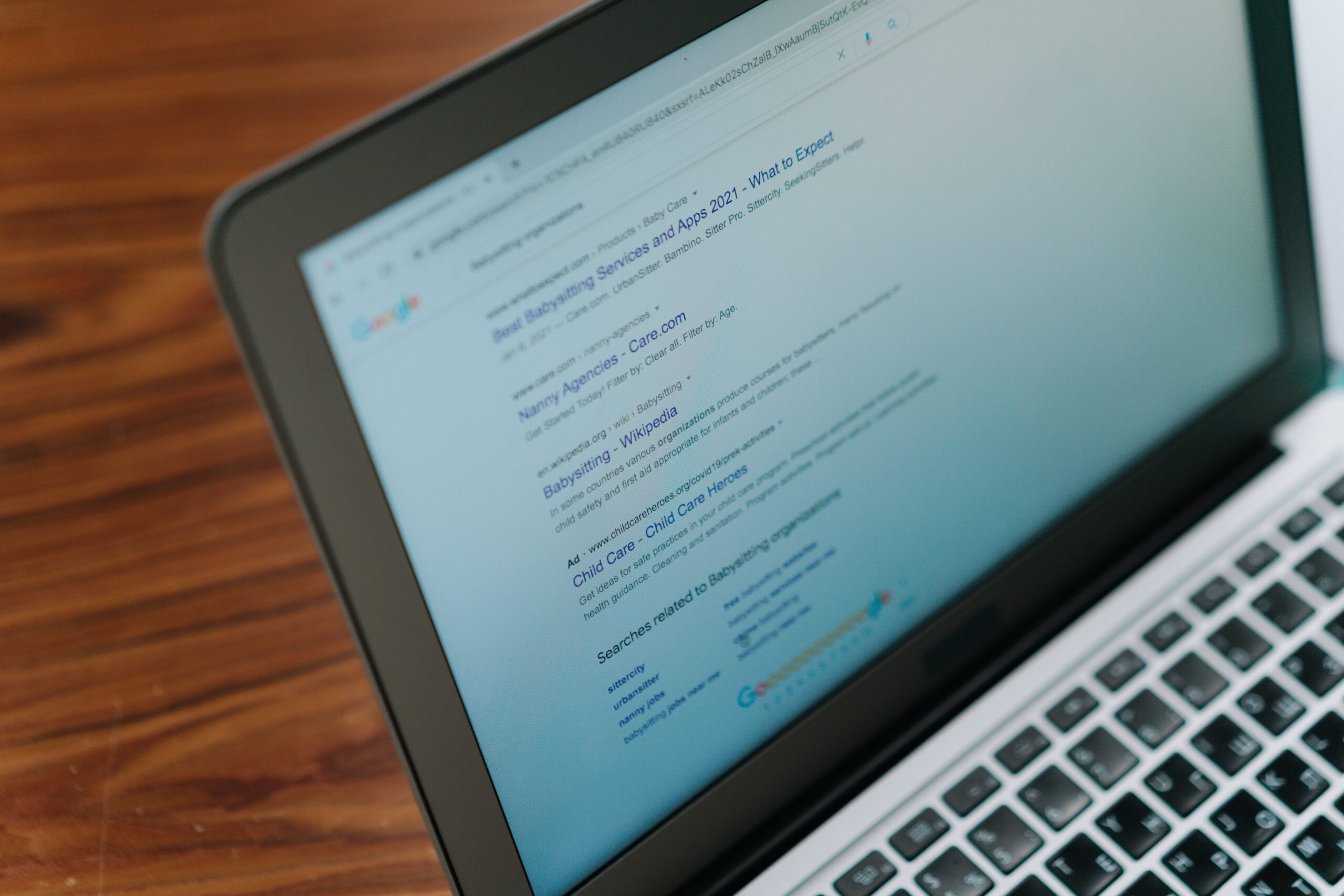
Google snippet preview tools are often overlooked, but they can be genuinely useful for website owners who want to improve how pages appear in search results. These tools let you see a rough preview of how a title tag and meta description may look in Google before you publish or update a page.
That matters because search snippets can influence whether people notice, understand, and choose your result. While snippet previews do not control rankings, they can help you write clearer page titles, avoid truncation, and align your content with search intent.
What a Google Snippet Preview Tool Actually Does
A snippet preview tool shows a simulated search result listing for a webpage. In most cases, it displays the page title, URL, and meta description as they might appear in Google. Some tools also show whether your title or description is likely to be cut off on desktop or mobile.
This is useful when you are editing pages in WordPress, writing product pages for ecommerce, or preparing content for a blog post. It helps you check readability before publishing rather than after the page has gone live.
It is worth remembering that Google does not always use your chosen title or meta description exactly as written. Search engines may rewrite snippets based on the query, page content, and other signals. A preview tool is therefore a planning aid, not a guarantee of what will appear in search.
Why Snippet Previews Matter for SEO
Snippet previews support better on-page SEO by helping you make search snippets clearer and more relevant. A well-written title and description can improve the way a page communicates value, which may influence click-through behaviour.
For website owners, this is especially useful when reviewing pages as part of a wider SEO audit. If your titles are too long, too vague, or too repetitive, a preview tool makes those issues easier to spot. It can also help you keep messaging consistent across blog posts, service pages, category pages, and landing pages.
Snippet previews are also valuable when you are comparing pages for search intent. For example, a local service page may need location-led wording, while a product category page may need stronger commercial language. A preview helps you test that wording before you commit to it.
How It Fits Into a Broader SEO Tool Stack
A snippet preview tool is only one part of a wider SEO workflow. It works best alongside free SEO tools and platform data that show how pages are performing in practice.
Use Google Search Console to check which queries bring impressions and clicks to a page. Use Google Analytics 4 to understand user engagement after the click. Use PageSpeed Insights and Core Web Vitals tools to check whether page experience might be affecting performance. Together, these tools give a fuller picture than a snippet preview alone.
For technical SEO, a crawler tool can help identify missing titles, duplicated meta descriptions, or pages that need improvement at scale. For content optimisation, a preview tool can help you refine wording on individual pages before they are published or updated. If you want a simple starting point, Google’s own Search Console is a sensible place to review real search data.
What Website Owners Should Check Before Using One
Before relying on any snippet preview tool, check whether it reflects Google search snippets realistically enough for your workflow. Different tools may estimate truncation slightly differently, so use them as guidance rather than as exact predictions.
Look at these practical points:
- Does it preview desktop and mobile layouts?
- Can you easily edit titles and meta descriptions?
- Does it help you spot duplicate or overly long text?
- Is it simple enough for your team to use consistently?
- Does it fit into your CMS, SEO plugin, or reporting process?
If you run a WordPress site, SEO plugins can make this easier by showing snippet fields directly in the editor. For larger sites, the main requirement is consistency, especially if multiple authors are writing titles and descriptions.
Best Uses for Different Website Types
Snippet previews can be used in many SEO contexts, but the priorities change by website type. Bloggers often use them to improve article headlines and meta descriptions. Service businesses use them to make local pages more relevant and trustworthy. Ecommerce sites use them to refine category and product page messaging. Agencies and consultants may use them to standardise on-page SEO across multiple clients.
For local SEO, a snippet preview can help you test whether location terms fit naturally without making the title look cluttered. For ecommerce SEO, it can help keep product names readable and concise. For content-heavy sites, it can support better content optimisation by making sure each page has a distinct search listing.
If you need a wider site health check, Backlink Works offers a free website SEO audit that can help you identify areas where snippets, structure, or technical issues may need attention.
Common Mistakes to Avoid
One common mistake is writing titles for search engines only and ignoring the user. A snippet should be useful to real people first. If it sounds unnatural, it may not help clicks or trust.
Another mistake is making every page title too similar. This is common on large sites and ecommerce stores. Similar titles make it harder for users and search engines to understand the difference between pages.
Do not assume a snippet preview tool will tell you exactly how Google will display a page. It is better to use it as part of a process that also includes search data, page content review, and technical checks.
Finally, do not use snippet optimisation as a substitute for weak content. A stronger title can help, but it will not replace relevant content, good internal linking, accurate schema markup, or a fast, usable page.
Practical Next Steps for Website Owners
If you want to use a snippet preview tool effectively, start with your most important pages: homepage, service pages, main category pages, and high-traffic articles. Review how each page is currently described in search and compare that with your intended message.
Then update the title and meta description so they match search intent more closely. Keep them specific, readable, and unique. After that, monitor performance in Search Console and Analytics rather than changing snippets repeatedly without enough data.
It can also help to pair snippet work with technical SEO tasks such as schema markup validation, image optimisation, and performance testing. Tools like PageSpeed Insights, schema generators, and crawler software all support the same goal: making pages easier for both search engines and users to understand.
For content teams, a simple workflow is to draft the page, preview the snippet, publish, then review actual search data after indexing. That keeps the process practical and measurable.
Conclusion
Google snippet preview tools are small but useful SEO tools for website owners who want better control over how their pages are presented in search. They help with clarity, consistency, and on-page planning, but they should always be used alongside real data and broader SEO practices.
Used properly, they can support content optimisation, technical reviews, and search visibility work across blogs, service sites, ecommerce stores, and WordPress websites. The main goal is not to chase a perfect preview, but to create search snippets that are accurate, readable, and useful to the user.
For more practical SEO guidance and visibility-focused resources, Backlink Works publishes educational material for site owners who want to improve their organic search process without relying on shortcuts.
Frequently Asked Questions
Is a Google snippet preview tool the same as Google Search Console?
No. A snippet preview tool shows a simulated search listing, while Search Console shows real performance data from Google.
Can a snippet preview tool improve rankings?
Not directly. It can help improve how your result is presented, but rankings depend on many other factors.
Should I use a snippet preview tool for every page?
It is most useful for important pages, such as key landing pages, blog posts, category pages, and product pages.
Do I need a paid tool for snippet previews?
Not always. Free tools are often enough for basic checks, while paid tools may suit larger sites or teams that need more workflow support.
- Sponsored Ad -





