
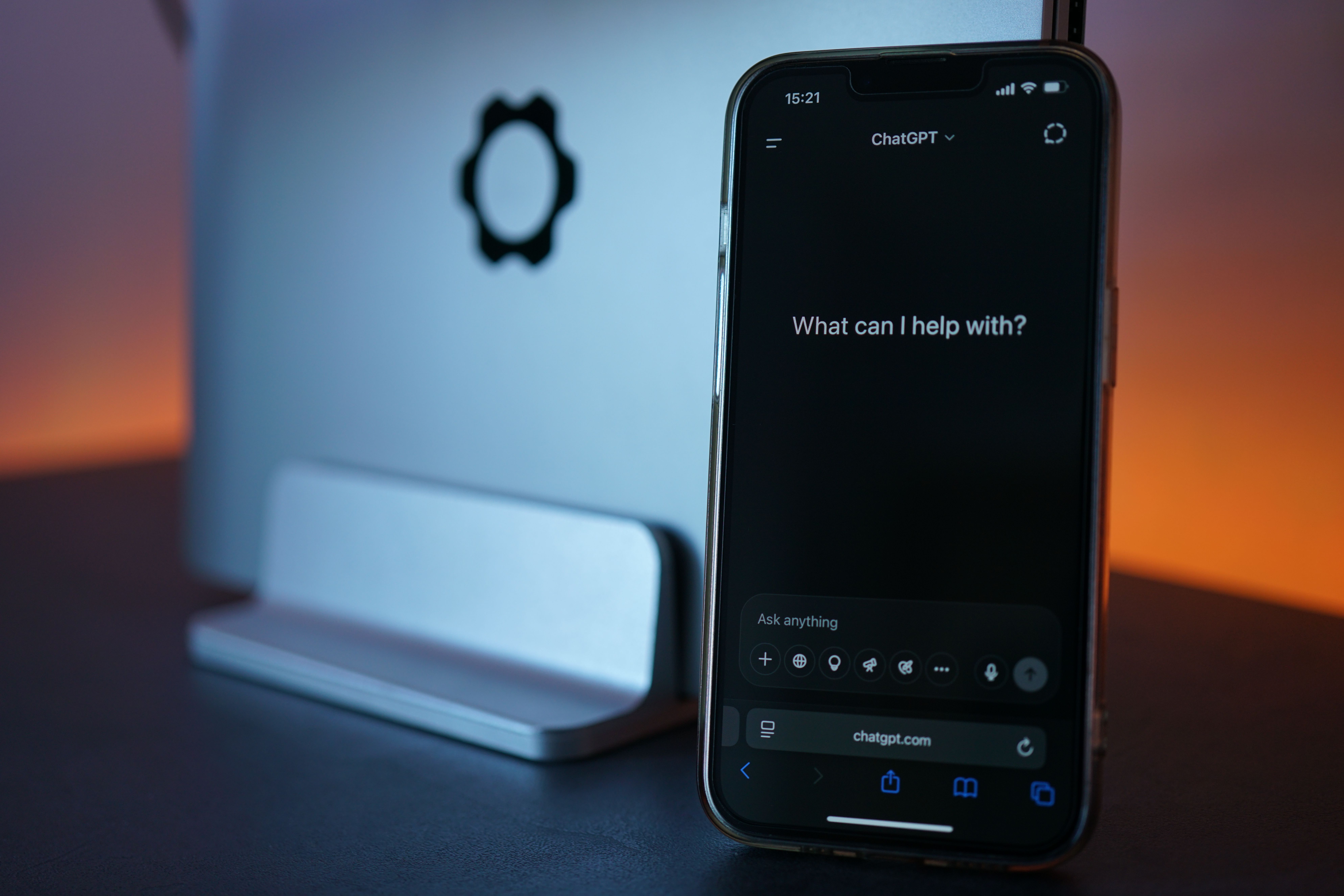
ChatGPT Search Results: How AI Search Works for Website Owners is becoming a practical question for anyone who depends on organic visibility. As search moves towards conversational answers and AI-generated summaries, website owners need to understand not just traditional rankings, but how AI systems may discover, select, summarise, and attribute information.
That does not mean classic SEO is obsolete. It means search visibility now spans several layers: crawlability, indexing, content quality, entity clarity, source authority, and how different answer engines decide what to show. The challenge is to build a site that is useful for people and understandable to machines, without assuming any platform will always cite or recommend it.
What AI search means for website owners
AI search is an umbrella term for search experiences that use large language models, retrieval systems, and ranking signals to generate conversational answers. In practice, this can include ChatGPT Search, Google AI Overviews, Google AI Mode, Perplexity, Microsoft Copilot Search, Gemini, and Claude, although each platform works differently and may change over time.
For website owners, the key difference is that AI-generated answers may combine information from multiple sources rather than present a standard list of blue links. A page can be visible in traditional search without being cited in an AI answer, and it can also be mentioned without earning a click. That makes visibility, attribution, and traffic more complex to interpret.
How ChatGPT Search Results differ from classic search
In a traditional search engine, users usually see ranked results and choose where to click. In an AI-assisted search experience, the user may first receive a summarised response, followed by source links, supporting references, or suggestions for follow-up questions. The interface is designed to answer a query more directly, which can reduce the number of clicks for some searches and increase them for others.
It is important to separate a model-generated mention from referral traffic. A brand might appear in a response, yet the user may not visit the site. Another query might lead to a citation and a click. Because the presentation varies by query, product version, account type, and region, website owners should avoid assuming a fixed pattern of visibility.
OpenAI’s official ChatGPT Search product overview is a useful starting point for understanding the product at a high level, but it does not provide a public formula for how every source is chosen.
Generative Engine Optimisation and Answer Engine Optimisation
Generative Engine Optimisation (GEO) and Answer Engine Optimisation (AEO) are labels used by marketers and researchers to describe work aimed at improving visibility in AI-generated answers. Related terms such as LLM visibility, LLMO, and AI SEO are also used, but the terminology is not fully standardised.
These approaches are best treated as extensions of good SEO, not replacements for it. Strong titles, clear headings, helpful page structure, accurate information, and crawlable content still matter. So do digital PR, consistent brand messaging, and credible references. What GEO or AEO may add is a sharper focus on how content is understood by systems that summarise, cite, and compare sources.
A practical way to think about this is simple: write for human readers first, and make sure machines can interpret the page accurately. That means concise definitions, specific entities, clean navigation, and content that answers real questions rather than repeating the same keyword in different forms.
What AI systems tend to look for conceptually
No platform has publicly documented every selection rule, so caution matters here. AI search visibility can depend on a mix of relevance, content quality, crawlability, indexing, source authority, brand recognition, technical accessibility, and query context. Different platforms may also use different source pools, retrieval methods, or citation formats.
For example, a well-structured product page may be helpful for one query, while a detailed guide or comparison page is more useful for another. A brand with strong entity consistency — the same name, description, and contact details across the web — may be easier for systems to connect to a topic. But none of these factors guarantees inclusion in an AI answer.
Structured data can help machines understand page meaning, especially for organisations, products, articles, and breadcrumbs. Google’s guide to structured data explains this clearly, but schema still only supports understanding; it does not promise citations or ranking.
How to improve visibility without chasing shortcuts
The best starting point is content that genuinely helps users. Clear explanations, original examples, accurate product information, and up-to-date details are more useful than mass-produced AI copy. AI-generated content can be acceptable when it is reviewed, edited, and fact-checked, but unreviewed output often carries risks such as factual errors, thin sourcing, and repetitive phrasing.
Website owners should also check technical foundations: can important pages be crawled, indexed, and rendered properly? Are internal links logical? Are titles and headings descriptive? Is the site easy to navigate on mobile? These traditional SEO basics still support discoverability across both search engines and AI retrieval systems.
For businesses that want a structured starting point, a free website SEO audit can help identify technical and content gaps before any AI search-focused changes are made.
Measuring AI search traffic and brand visibility
Measurement is one of the hardest parts of AI search optimisation. Not every AI-generated visit is clearly labelled in analytics, and not every mention results in a click. Some journeys may appear as referral traffic, some as direct, and some may be difficult to separate from broader search activity.
It helps to track a combination of metrics rather than chasing a single number. Look at referral visits, landing page performance, branded search interest, conversions, recurring query themes, and the accuracy of brand mentions where they appear. If possible, compare assisted conversions and enquiry quality rather than focusing only on raw traffic.
AI search analytics is still developing, so reporting should be cautious. A citation is not the same as a recommendation. A mention is not the same as a click. And a click is not the same as a customer outcome. That distinction matters when evaluating whether AI search is supporting the business.
Common mistakes to avoid
One common mistake is trying to optimise for AI systems with tactics that do not help users, such as keyword stuffing, deceptive schema, hidden text, or fabricated mentions. These approaches are risky and unlikely to create sustainable visibility.
Another mistake is assuming every AI platform behaves the same. ChatGPT Search, Perplexity, Copilot Search, Gemini, and Claude may surface sources differently, and their interfaces may change. Do not apply one platform’s observed behaviour to all others.
Finally, avoid treating AI visibility as a replacement for normal search work. Link earning, useful content, site performance, reputation management, and clear page architecture still matter. If your backlink profile is part of your broader SEO strategy, a guide such as the ultimate guide to backlink building can support the wider authority-building work that helps real users and search systems trust your site.
Conclusion
AI search is changing how people discover information, but it has not removed the need for solid SEO. Website owners should focus on helpful content, technical accessibility, accurate entity signals, and a sensible measurement plan. That approach gives your site a better chance of being understood by both traditional search engines and AI-driven answer engines, without relying on any guarantee of inclusion.
For brands publishing AI-assisted content, the standard remains the same: review carefully, keep claims accurate, and maintain a clear editorial voice. If you want more guidance on SEO, backlinks, and website growth, Backlink Works continues to share practical education for site owners who want sustainable visibility rather than shortcuts.
Frequently Asked Questions
Can a website appear in ChatGPT Search without ranking highly in Google?
Possibly, but there is no universal rule. AI search systems may use different retrieval and presentation methods from traditional search engines, so visibility patterns can differ by query and platform.
Does structured data guarantee citations in AI-generated answers?
No. Structured data can help clarify what a page is about, but it does not guarantee that an AI system will cite, summarise, or recommend the page.
How should website owners measure AI search visibility?
Look at a mix of indicators such as referral traffic, branded queries, landing page engagement, conversions, and the accuracy of brand mentions. No single metric tells the full story.
Should businesses change their SEO strategy for AI search?
They should adapt, but not abandon SEO. The best approach is to strengthen content quality, technical accessibility, and brand clarity while monitoring how AI search affects discovery and traffic.
- Sponsored Ad -





