
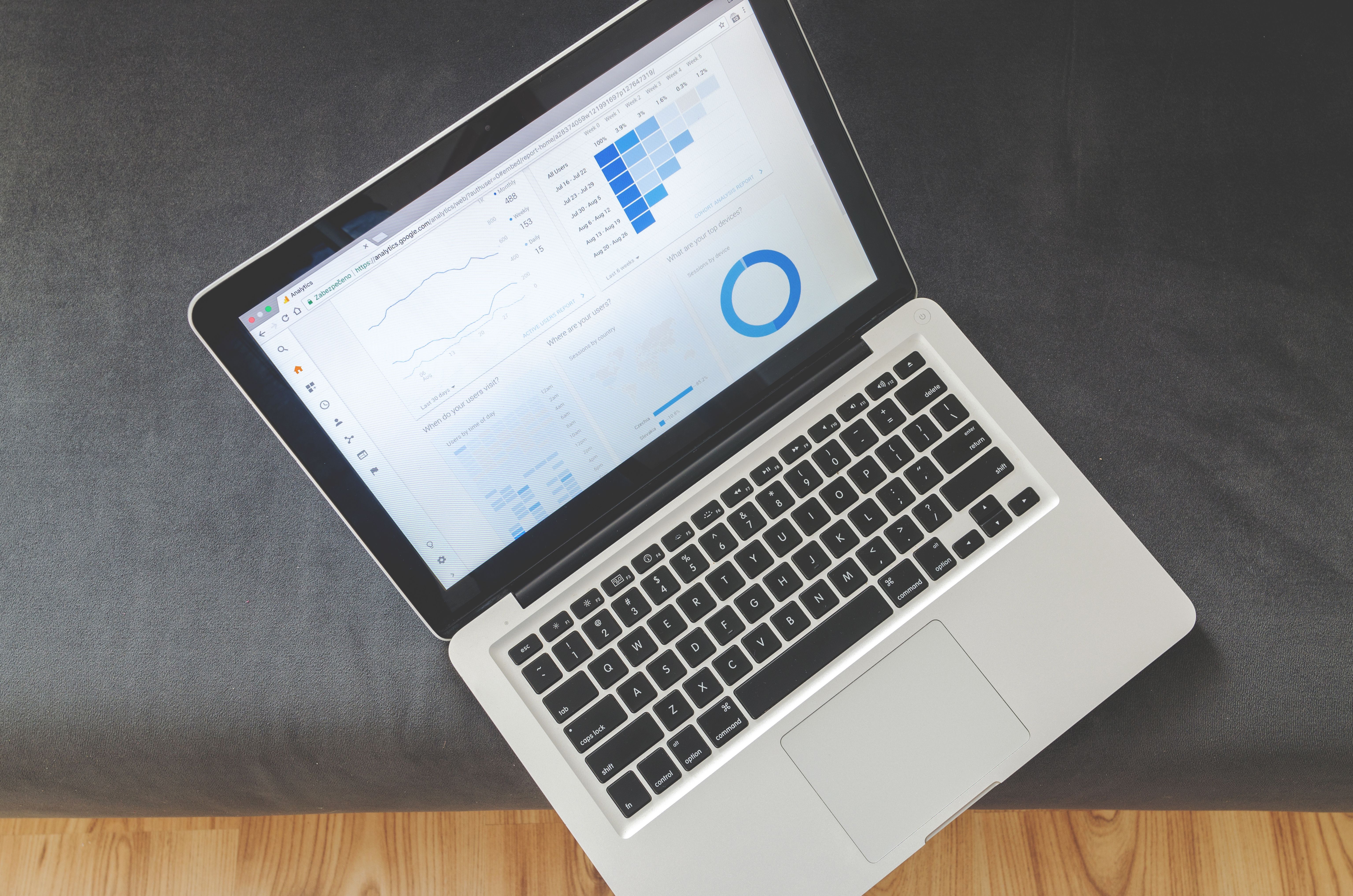
Global SEO reporting becomes much more useful when your data is read in context. Google Analytics 4 and Google Search Console are two free SEO tools that give you different views of performance: GA4 shows what users do on your site, while Search Console shows how your pages appear in Google Search results.
Used together, they help you make better decisions about content, technical SEO, indexing, and visibility across markets. For website owners, agencies, ecommerce teams, and WordPress users, this combination can support clearer reporting without relying on guesswork.
Why GA4 and Search Console matter for global SEO
Global SEO is not just about measuring total traffic. Different countries, languages, devices, and search intent patterns can produce very different results. GA4 helps you understand engagement, conversions, and user behaviour by region. Search Console helps you review impressions, clicks, average position, queries, and page performance in Google.
That makes the pair useful for international reporting, local SEO comparisons, and content optimisation. For example, a page may earn strong impressions in one country but low clicks because the title tag is not aligned with local search intent. Or a landing page may attract traffic in GA4 but perform poorly in Search Console if it is not indexed well enough for the right queries.
If you need a broader SEO baseline before building reports, a free website SEO audit can help you identify technical issues, content gaps, and reporting priorities before you connect the data.
Set up a reporting structure before you compare data
The most common mistake in global SEO reporting is comparing metrics without a clear structure. Before you build dashboards, define how you want to segment the data. Useful splits include country, language, device type, branded versus non-branded queries, and key page groups such as blog content, product pages, or location pages.
In GA4, create meaningful explorations and use consistent naming for events and conversions. In Search Console, segment by country and device, and review queries and landing pages separately. This helps you spot whether a visibility change is caused by search demand, content quality, technical issues, or user experience.
What to check first
Make sure your GA4 property, Search Console property, and reporting dashboards are all tracking the same domain or set of domains. If you operate multiple country sites or subdirectories, confirm that each property is mapped correctly. For teams using Looker Studio, consistent filters and labels are essential for reliable reporting.
Google’s official Looker Studio support is useful if you are building repeatable SEO reports from GA4 and Search Console data.
Use Search Console to understand search visibility
Search Console is the better starting point for search visibility. It shows which queries trigger impressions, which pages earn clicks, and where performance differs by country or device. For global SEO, this is particularly valuable because the same page can rank differently across regions even when the content is identical.
Review the Performance report to compare impressions, clicks, CTR, and average position by country. A lower CTR in one market may mean the page title, meta description, or snippet is less relevant in that language or location. If a page gets impressions but no clicks, it may need better search intent alignment rather than more links or more content.
Coverage and Page indexing reports are also important. They can reveal pages that are discovered but not indexed, excluded due to duplication, or blocked by technical issues. These checks matter for large international sites, ecommerce stores, and WordPress sites with many templates.
Use GA4 to understand user behaviour after the click
GA4 complements Search Console by showing what happens after someone lands on your site. For global SEO reporting, focus on engagement rate, engaged sessions, key events, and conversion paths by country or language. A page may attract clicks but fail to keep users engaged if the content is not relevant, the page is too slow, or the CTA is unclear.
GA4 is also useful for comparing landing page quality across markets. If users from one country consistently leave quickly, that could indicate translation issues, poor local relevance, or a mismatch between the query and the page. This kind of insight is especially helpful when improving ecommerce product pages, service pages, and editorial content.
Where possible, connect organic landing pages to business outcomes such as lead form submissions, add-to-basket actions, or newsletter sign-ups. That does not guarantee results, but it helps you prioritise pages that matter most to your website goals.
Build a global SEO report that connects both tools
Good reporting tells a story. Search Console explains demand and visibility. GA4 explains behaviour and outcomes. When you connect them, you can move beyond vanity metrics and make more useful SEO decisions.
A practical global SEO report might include search clicks and impressions by country, organic sessions by landing page, engagement rate by device, and key events from organic traffic. You can also add technical checks from other SEO tools such as PageSpeed Insights, Core Web Vitals testing, schema markup validation, and a crawler for indexation and internal linking audits.
For performance checks, Google’s PageSpeed Insights tool is useful for spotting speed and Core Web Vitals issues that may affect user experience and organic performance.
Best practice checklist
Use one reporting period consistently, such as week-on-week or month-on-month. Break results down by country, language, and device. Compare branded and non-branded searches separately. Review search queries alongside landing pages. Add notes for site changes, migrations, content launches, and technical fixes so performance shifts are easier to explain.
Pair GA4 and Search Console with other SEO tools
GA4 and Search Console are essential, but they do not cover everything. For a fuller workflow, combine them with other SEO tools based on your needs. A website crawler can help with technical SEO audits, a keyword research tool can help you understand search demand, and a rank tracking tool can help you monitor visibility over time. A backlink checker can support link analysis, while content optimisation tools can help improve page relevance and structure.
For WordPress users, SEO plugins can help manage metadata, schema markup, and indexing controls more efficiently. Ecommerce teams may also need category page analysis, product schema checks, and search performance by template. Agencies and consultants often use reporting tools like Looker Studio to present this information clearly to clients or stakeholders.
Backlink Works is also a useful reference point for SEO education and reporting workflows when you want to strengthen your wider search visibility process without relying on a single tool alone.
Mistakes to avoid in global SEO reporting
One common mistake is treating country-level data as if it always represents separate search intent. Another is relying only on traffic and ignoring engagement or conversion data. It is also easy to overlook technical differences, such as hreflang issues, inconsistent canonicals, or pages blocked from indexing.
Do not compare markets without considering language, seasonality, and demand differences. Do not assume that a fall in clicks always means a ranking problem. Sometimes the issue is a snippet change, a SERP feature, or lower search volume. And do not use paid tools, if you choose them, without checking whether their data quality and reporting style suit your workflow and budget.
Global SEO works best when tools support decision-making rather than replace it. Strategy, content quality, site architecture, and technical implementation still matter most.
Conclusion
GA4 and Search Console give you a strong foundation for global SEO reporting. Together, they help you understand how users find your site, how they behave after arriving, and where regional differences affect performance. When you combine them with other SEO tools for audits, speed checks, schema validation, and reporting, you can build a more accurate view of search visibility.
The key is to keep your reporting practical. Focus on the markets, pages, and actions that matter most, then use the data to guide improvements in content, technical SEO, and user experience.
Frequently Asked Questions
What is the difference between GA4 and Search Console?
GA4 shows what users do on your website. Search Console shows how your site performs in Google Search, including queries, clicks, and impressions.
Can I use these tools for international SEO?
Yes. Both tools are useful for comparing performance by country, device, and landing page, which makes them helpful for global and multilingual SEO.
Do I still need other SEO tools?
Usually, yes. GA4 and Search Console are core tools, but crawlers, keyword tools, speed tools, and reporting platforms can fill important gaps.
Is Looker Studio useful for SEO reporting?
Yes. Looker Studio is commonly used to combine GA4 and Search Console data into clear dashboards for teams, clients, and stakeholders.
- Sponsored Ad -





