
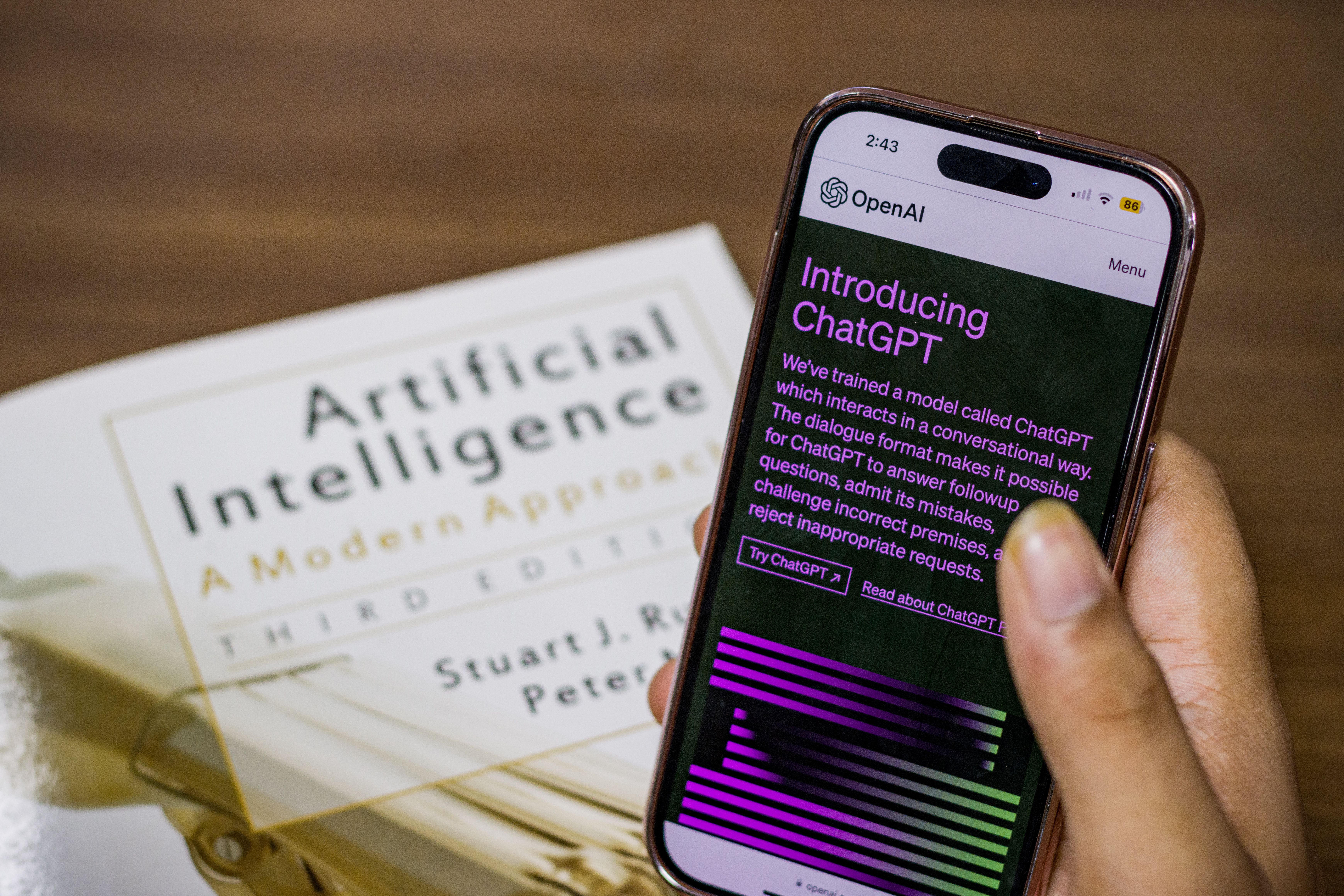
ChatGPT referral traffic in GA4 can be a useful signal for understanding how people arrive at your site from AI-assisted search and answer experiences. It is not the same as traditional organic search, because users may click through from a conversational response, a cited source, or a follow-up search journey that started inside ChatGPT Search or another generative tool.
For site owners, this matters because AI search is changing how discovery works. People may see brand mentions, citations, or summaries in answer engines such as ChatGPT, Perplexity, Microsoft Copilot Search, Gemini, or Claude, then decide whether to visit your site. GA4 will not always label that journey in a perfectly neat way, so tracking requires careful interpretation rather than assumptions.
What ChatGPT referral traffic means in GA4
In Google Analytics 4, referral traffic usually means a visit that arrives from another website or app rather than a search engine. When the source is ChatGPT, the session may be counted as referral traffic, direct traffic, or sometimes appear with limited clarity depending on the user’s path, browser behaviour, app hand-off, or changing platform design.
It is useful to separate three ideas: a clickable citation, a text-only brand mention, and a visit to your website. A citation in an AI-generated answer may point users towards a source, but it does not always produce a click. A brand mention may raise awareness without immediate traffic. A referral visit is the measurable action you can see in GA4.
Why this is different from standard organic search
Traditional search results usually show a ranked list of pages. AI-generated answers can combine information from multiple sources, present a summary, and offer follow-up questions. That means the journey from discovery to visit may be shorter, longer, or less predictable than classic search.
This is one reason AI search analytics should sit alongside, not replace, standard SEO reporting. Strong crawlability, indexability, and helpful content still matter, and they can support discoverability across both traditional and generative search experiences. Google’s guidance on AI features in Search is a useful reference point for understanding how these experiences fit into the wider search ecosystem.
How to find likely ChatGPT traffic in GA4
GA4 does not provide a dedicated “ChatGPT referrals” report. Instead, you need to inspect traffic sources and landing pages, then look for patterns that suggest visits from ChatGPT Search or other AI-assisted journeys. Start in the Acquisition reports and review source and medium combinations carefully.
Common places to check include session source, session medium, landing page, and engagement metrics. If you see a pattern of visits from a chat.openai.com or similar referrer, that can indicate ChatGPT-related traffic, but it should still be interpreted cautiously because interfaces, browsers, and platform behaviour can change over time.
It also helps to compare AI-related traffic with branded search, direct visits, and assisted conversions. A user may first see your brand in an AI answer, then return later through another channel. That makes attribution more complicated than a single referrer alone.
Practical steps for setting up a basic review
Use exploration reports to isolate sessions with unusual or emerging referrers. Compare those sessions with entry pages, engaged sessions, and conversions. If the same page repeatedly attracts AI-assisted visits, it may be a strong candidate for clearer entity signals, better internal linking, or stronger source attribution.
For a wider SEO baseline, a free website SEO audit can help you spot issues with content quality, technical access, and page structure that may also affect visibility in generative search.
What to measure beyond referrals alone
Referral traffic is only one part of the picture. In AI search, visibility can show up as a citation, a mention, a source card, a recommendation, or a visit. These are related but not identical signals, and they should not be treated as the same metric.
When reviewing performance, focus on a small set of useful measures: landing pages that receive AI-assisted visits, branded query themes, assisted conversions, engagement quality, and the accuracy of how your brand is described. If an AI answer mentions your business but misstates your service, that is still worth knowing even if traffic remains stable.
It is also sensible to track non-click visibility where possible. A text-only brand mention in an answer engine can build awareness without a session in GA4. That means traffic data should be read alongside search console data, brand monitoring, and manual checks of how your pages are surfaced in AI-generated answers.
How content and technical SEO support AI visibility
There is no confirmed formula for visibility in ChatGPT, Google AI Overviews, Google AI Mode, Perplexity, Copilot, Gemini, or Claude. Selection processes vary by platform and may change. Even so, sites with clear structure, accurate information, and strong technical accessibility are usually easier for systems and users to interpret.
That includes clean entity signals: consistent business names, clear author details, transparent about pages, and reliable source information. Structured data can help machines understand page meaning, but it does not guarantee inclusion or citation. Use markup that matches visible content and test it before publishing. If your content is based on AI assistance, review it carefully for factual accuracy, originality, and editorial voice.
Technical access matters too. Search-engine crawlers, AI-related crawlers, training-related systems, and user-triggered retrieval are not the same thing. Allowing one type of access does not guarantee visibility in an answer engine, and blocking a crawler does not remove all references to your brand across every system. Check current official documentation before changing robots rules or server settings. For structured content and crawlability, Google’s helpful content guidance remains a practical benchmark.
Common mistakes when tracking AI search traffic
One common mistake is assuming all AI search visits should be visible in a single source/medium report. In reality, journeys may be fragmented, delayed, or attributed differently depending on the app, browser, and privacy settings.
Another mistake is treating every citation as endorsement. An AI system may cite a page for factual support without recommending the brand. Likewise, a brand mention is not the same as a qualified referral visit. Understanding those differences helps avoid overreading the data.
It is also easy to over-focus on a single platform. ChatGPT Search, Perplexity, Microsoft Copilot Search, Gemini, and Claude do not function identically, and their interfaces, source presentation, and follow-up behaviour may vary. What appears as visible traffic from one platform may not appear in the same way in another.
Finally, do not use low-quality tactics to chase AI visibility. Fake mentions, spammy schema, hidden text, or mass-generated pages can create quality problems and undermine trust. AI search visibility is better approached as part of wider SEO, content quality, and reputation building.
Conclusion
Tracking ChatGPT referral traffic in GA4 is less about finding a perfect report and more about building a sensible measurement habit. You are looking for patterns that show how AI-assisted discovery affects visits, engagement, and conversions, while recognising that attribution may be incomplete.
If you combine GA4 analysis with solid SEO foundations, accurate content, technical accessibility, and careful brand monitoring, you will be better placed to understand how your site appears across AI search and generative search experiences. That approach supports human readers first and gives you a clearer basis for future content decisions.
For broader guidance on backlink strategy and website visibility, Backlink Works offers SEO education that can sit alongside your analytics process without replacing it.
Frequently Asked Questions
How can I tell if a visit really came from ChatGPT?
Check the session source, landing page, and referral pattern in GA4, then compare it with known AI-related traffic behaviour. Because attribution can vary, treat it as likely ChatGPT-related traffic rather than a perfect identification unless the referrer is clear.
Does ChatGPT traffic always appear as referral traffic in GA4?
No. Some visits may appear as referral, direct, or be less clearly attributed depending on the user journey and platform behaviour. GA4 can show useful patterns, but it does not capture every AI-assisted visit perfectly.
Can I optimise a page to guarantee visibility in ChatGPT Search?
No. There is no guaranteed method for inclusion, citation, or recommendation in ChatGPT Search or any other AI answer engine. Helpful content, technical access, and clear entity signals may support discoverability, but they do not assure visibility.
Should I track AI search traffic differently from Google organic traffic?
Yes, but as a complement rather than a replacement. AI search traffic should be reviewed alongside organic search, branded search, and assisted conversions so you can see how different discovery paths contribute to business outcomes.
- Sponsored Ad -





