
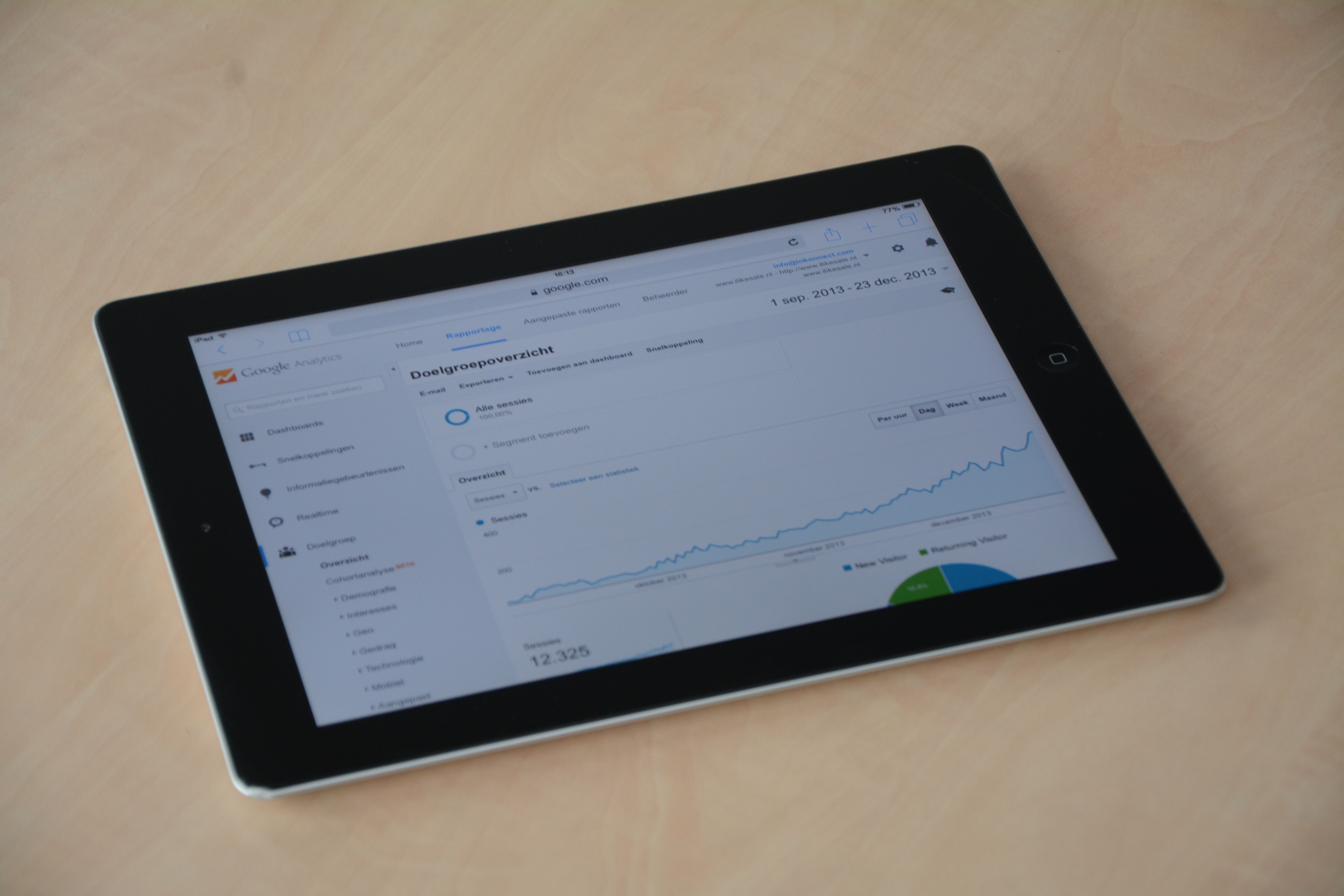
Google indexing changes can feel technical, but they sit at the heart of how pages appear in search results. When indexing behaviour shifts, the impact can spread across crawling, ranking stability, search visibility, and the way content is discovered by users.
For website owners and SEO teams, the key is not to chase every fluctuation, but to understand what changed in Google’s indexing systems, what that means for technical SEO and content quality, and which checks are worth prioritising across websites, ecommerce stores, WordPress builds, and local business sites.
What Google Indexing Updates Usually Affect
Indexing is the stage where Google decides whether a crawled page should be stored and eligible to appear in search. Updates in this area often do not look dramatic on the surface, but they can change how quickly pages are discovered, whether duplicate pages are folded together, and which URLs are seen as the most useful version.
That matters because search visibility is not only about ranking signals. If Google struggles to index the right pages, or treats a site’s content as low value, the result can be fewer impressions, weaker keyword coverage, and inconsistent performance in Search Console.
Crawl, index and rank are not the same thing
Many sites assume a page that is crawled will automatically rank. In practice, Google may crawl a page but choose not to index it, or index it but rarely surface it for queries. Understanding that difference helps diagnose issues more accurately.
When monitoring indexing changes, look beyond ranking positions. Check whether important pages are being discovered, whether canonicalisation is behaving as intended, and whether technical barriers are limiting inclusion in the index.
Why Indexing Changes Matter for SEO
Indexing updates can influence the visibility of both new and existing content. If Google becomes more selective about what it includes, pages with thin content, weak internal linking, or duplicated intent may struggle more than before.
For SEOs, this often means a shift towards clearer site architecture and stronger page purpose. Content that answers a specific need, loads reliably, and is easy for crawlers to reach is generally better positioned to be indexed consistently.
Search Console signals can reveal the pattern
Google Search Console remains one of the most useful places to spot indexing patterns. Coverage reports, sitemap status, page indexing details, and manual URL inspection can all help identify whether a problem is technical, content-related, or tied to site structure.
If indexing drops or fluctuates, compare affected pages against those that continue to perform well. Common differences include content depth, internal links, crawl depth, canonical tags, noindex directives, and page speed.
Technical SEO Checks That Matter Most
Indexing issues often begin with technical signals rather than content alone. A page can be well written but still fail to perform if it is blocked by robots directives, inconsistent canonicals, or broken internal links.
Website owners should review XML sitemaps, robots.txt rules, canonical tags, pagination, redirects, and duplicate URL patterns. These are especially important for ecommerce categories, filter pages, blog archives, and WordPress sites where templates can generate many similar URLs.
Website performance and crawl efficiency
Performance also plays a role. Slow-loading pages, unstable server responses, and excessive JavaScript can reduce crawl efficiency and make indexing less reliable. Tools such as PageSpeed Insights can help identify performance bottlenecks that may indirectly affect discoverability.
For larger sites, server log analysis and crawl simulations can show whether Googlebot is spending time on low-value URLs instead of the pages that matter most. That is often where better internal linking and cleaner URL structures deliver the biggest gains.
Content Quality and AI Search Expectations
Google’s indexing systems increasingly reward content that is genuinely helpful, easy to understand, and aligned with search intent. That does not mean every page must be long, but it does mean the page should clearly satisfy a purpose.
This is especially relevant in the age of AI-assisted search experiences. If Google is surfacing more summarised answers or refined result sets, sites need content that is distinct, accurate, and structured in a way that makes it easy to understand the main point quickly.
What to improve on content pages
Check whether pages have a clear topic, original value, useful headings, and supporting detail that goes beyond basic repetition. Stronger editorial quality can improve the chance of stable indexing, especially where multiple pages compete for similar queries.
It is also worth reviewing content freshness. Not every page needs constant updates, but pages that depend on changing information, products, or local details should be kept accurate so Google has a consistent signal of relevance.
Implications for Local, Ecommerce and WordPress Sites
Local SEO sites often rely on location pages, service areas, and business details that must remain consistent across the site and external listings. Indexing changes can expose duplication or thin local pages, so each page should have a clear geographic and service intent.
Ecommerce sites need to pay close attention to product variations, faceted navigation, and filtered URLs. If Google indexes too many near-identical pages, crawl budget can be wasted. If it indexes too few, important product and category pages may be underrepresented.
WordPress websites can also be affected by plugins, theme-generated archives, tag pages, and automatic internal linking. If your site uses SEO plugins, make sure they are not creating indexable pages that add little value. A useful starting point for site-wide review is a free website SEO audit.
What Website Owners Should Do Next
Start with the pages that matter most commercially or editorially. Confirm they are indexable, canonicalised correctly, internally linked, and included in a clean sitemap. Then review whether those pages have enough unique value to justify inclusion in the index.
If you are working on discovery and link equity distribution, it can help to revisit your internal linking and authority-building approach. Backlink Works also offers practical guidance on premium backlink indexing, which may be useful when assessing how links and pages are being surfaced.
For teams planning wider SEO improvements, the most reliable approach is to combine technical fixes with content refinement and ongoing monitoring. That includes Search Console checks, crawl audits, page speed review, and a realistic look at which pages deserve indexation.
Conclusion
Google indexing updates are best understood as a shift in how the search engine evaluates page usefulness, accessibility, and consistency. The effect may be subtle, but it can influence visibility across organic search, AI-driven search surfaces, and the broader search experience.
For SEO professionals and site owners, the takeaway is simple: keep your important pages easy to crawl, clearly useful, and technically sound. If Google can understand the purpose of your pages quickly, you are better placed to maintain stable search visibility over time.
Frequently Asked Questions
How do I know if an indexing issue is affecting my site?
Check Search Console for indexing reports, coverage trends, and URL inspection results. Compare indexed pages with your sitemap and look for patterns in excluded URLs.
Can good content still fail to get indexed?
Yes. Strong content can still struggle if internal linking is weak, technical signals are inconsistent, or Google sees the page as redundant compared with others on the site.
What is the most important indexing check for ecommerce sites?
Make sure category and product pages are accessible, canonicalised correctly, and not buried under faceted URLs or duplicate variations that confuse crawlers.
Should I remove low-value pages from indexation?
Often, yes. Pages with little unique value can dilute crawl efficiency. Use noindex or consolidation only after checking whether the page is genuinely needed for users or search.
- Sponsored Ad -





