
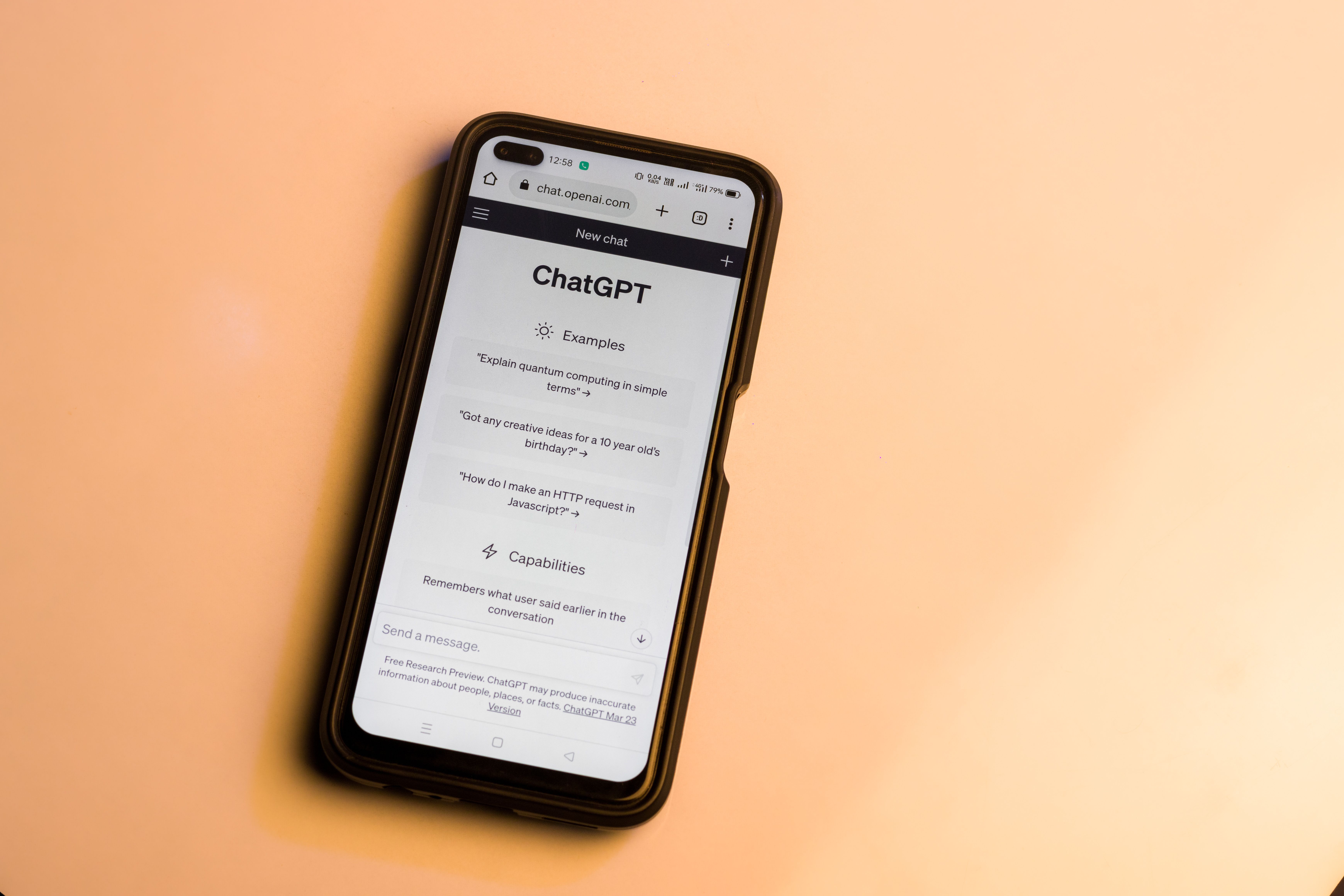
ChatGPT SEO Strategy: How AI Search Works for Website Owners is becoming an important topic for anyone trying to understand how visibility changes when people use answer engines instead of only traditional search results. AI search tools such as ChatGPT Search, Google AI Overviews, Google AI Mode, Perplexity, Microsoft Copilot Search, Gemini, and Claude can surface information in different ways, which means website owners need a broader view of discoverability.
This does not replace conventional SEO. Instead, it adds a new layer of search behaviour to understand. For many sites, the goal is no longer just to appear in a results page, but to be understandable, accessible, and trustworthy enough that AI systems can accurately reference or summarise the content.
What AI search means for website owners
AI search is a broad term for search experiences that use large language models, retrieval systems, or answer-generation features to respond in a more conversational format. Instead of showing only a list of blue links, the system may provide a direct answer, a summary, follow-up prompts, or a mix of cited and uncited sources.
For website owners, this changes the discovery journey. A user may ask a detailed question, receive a generated response, and decide whether to click a citation, continue the conversation, or return to standard search. That means visibility can happen in more than one way: through a traditional ranking, a citation, a text-only brand mention, or referral traffic from an AI interface.
How ChatGPT Search and other answer engines differ from classic search
Traditional search engines usually organise results around pages. AI-assisted search experiences are more likely to organise around intent. A user might ask, “What is the best way to structure product pages for AI search?” and the system may combine information from multiple sources into one answer.
That answer may include clickable citations, but it may also paraphrase content without linking every source. Different platforms handle this differently. ChatGPT Search, Perplexity, Copilot, Gemini, and Claude do not present information in exactly the same way, and their interfaces, source selection, and citation methods can change over time.
This is why it is risky to treat AI search as if it follows one fixed ranking formula. Exact selection processes are not always public, and a page that is visible in one system may not be surfaced in another. Strong SEO foundations still matter because they help search engines and AI systems understand your pages, but they do not guarantee inclusion in generated answers.
What Generative Engine Optimisation and Answer Engine Optimisation really mean
Terms such as Generative Engine Optimisation (GEO), Answer Engine Optimisation (AEO), LLM visibility, and AI SEO are useful shorthand, but they are not yet fully standardised disciplines. In practice, they refer to efforts that make content easier for AI systems to interpret, retrieve, and present accurately.
That usually overlaps with established SEO work: clear page structure, helpful content, descriptive headings, crawlability, internal linking, entity consistency, and accurate structured data. It also includes brand signals such as clear organisation details, author information, and trustworthy references. Backlink Works discusses related SEO education and visibility topics that can help website owners build a practical strategy without treating AI search as a replacement for SEO.
A free website SEO audit can help identify basic issues that may affect both search engine understanding and AI discoverability, such as broken indexing, weak page structure, or technical barriers.
Content, entities, and structured data
AI systems often work best when a topic is presented clearly and consistently. That is where entity optimisation comes in: making sure your brand, products, authors, services, and topics are described in a way that is easy to identify across your website and wider online presence. Entity clarity does not mean adding hidden signals; it means using consistent names, accurate details, and relevant context.
Structured data can also help by clarifying what a page is about. For example, article, product, organisation, local business, and profile page markup may support machine understanding when used accurately and in line with visible content. It does not guarantee AI citations, rich results, or recommendations, and misleading schema can create problems. If you use markup, validate it with an approved testing tool and make sure it matches the page.
Content quality matters just as much. AI-generated or AI-assisted content should be fact-checked, edited, and reviewed by a human. The main risks are factual errors, outdated claims, repetition, weak sourcing, and a tone that does not reflect your brand. Good AI search content should still be written for people first.
AI citations, brand mentions, and traffic measurement
It helps to separate different forms of visibility. A clickable citation is not the same as a text-only brand mention. A brand mention is not the same as a recommendation. A recommendation is not the same as a referral visit. And none of these are the same as a traditional search ranking or a search impression.
That distinction matters because AI answers can create visibility without always creating clicks. Some users may read the summary and leave without visiting your site, while others may click a source to check details. Referral traffic may appear in analytics as referral, direct, or unclassified traffic depending on the platform and the reporting setup.
When measuring AI search traffic, focus on useful indicators rather than vanity numbers. Check whether specific landing pages are receiving qualified visits, whether brand mentions are accurate, whether queries repeat across different platforms, and whether assisted conversions are appearing. No analytics setup captures every AI-assisted journey perfectly, so measurement should be treated as directional rather than complete.
Google’s guidance on creating helpful content is a useful reference point for content quality, even if your broader visibility strategy includes AI search platforms beyond Google.
Practical steps for improving AI search visibility
A sensible AI search strategy starts with basics. Make sure important pages are indexable, internally linked, and easy to crawl. Check robots.txt, meta robots directives, server responses, canonical tags, and page speed before making assumptions about AI visibility. If search engines cannot access your content reliably, AI systems that depend on indexed or retrieved content may struggle too.
Next, strengthen the signals that help systems understand who you are and what you cover. Use clear organisation details, consistent author bios, descriptive titles, concise definitions, and supporting evidence where appropriate. Publish content that answers real questions in plain language. For product or service pages, avoid vague marketing copy and provide specifics that help both users and machines.
A simple checklist can help:
• Confirm your pages can be crawled and indexed.
• Review whether key topics are covered clearly and completely.
• Use structured data only where it matches visible content.
• Maintain consistent brand and entity information across your site.
• Monitor referral traffic, citations, and query themes over time.
A clear backlink building process can still support authority and discoverability, but it should be part of a wider content and technical SEO approach rather than a standalone tactic.
Common mistakes to avoid
One of the biggest mistakes is trying to optimise for AI systems with manipulative methods. Fake brand mentions, artificial reviews, hidden text, mass-generated low-quality pages, and deceptive schema do not create trustworthy visibility. They can also harm user trust and search quality.
Another mistake is assuming that one platform’s behaviour applies to all others. Google AI Overviews, Google AI Mode, ChatGPT Search, Perplexity, Copilot, Gemini, and Claude may each use different interfaces, source presentation styles, and retrieval methods. A page that is cited in one system may be ignored in another for reasons that are not fully public.
Finally, do not write only for AI. If content is thin, generic, or hard for humans to use, it is unlikely to create durable visibility. The best long-term approach is still to publish accurate, useful, well-structured pages that serve readers first.
Conclusion
AI search is changing how people find information, compare options, and visit websites. For website owners, the goal is not to chase a guaranteed spot in an AI answer, but to build content that is clear, credible, technically accessible, and helpful across search experiences.
Traditional SEO remains essential. AI search visibility builds on the same foundations: crawlability, indexability, relevance, authority, and good user experience. The difference is that your content may now be surfaced, summarised, or cited in more conversational formats, so it is worth checking how your brand appears across these systems and adjusting with care.
Frequently Asked Questions
What is the main difference between ChatGPT Search and traditional SEO?
Traditional SEO focuses on helping pages appear in search results, while ChatGPT Search and similar systems may present answers directly. SEO still matters because it helps content be understood and retrieved, but AI answers can change how users discover and click through to a site.
Can structured data guarantee AI citations?
No. Structured data can help clarify page meaning, but it does not guarantee citations, recommendations, or visibility in AI-generated answers. It should always reflect the visible content on the page.
How can I check whether AI search is sending traffic to my site?
Review analytics for referral traffic, landing pages, and conversions, then compare those patterns with branded searches and recurring questions. The data may not be perfectly labelled, so use it as a guide rather than a complete record.
Should I rewrite all my pages for AI search?
Not usually. Start with your most important pages and improve clarity, accuracy, structure, and technical access. Most websites benefit more from strengthening existing SEO and content quality than from rebuilding everything around AI platforms.
- Sponsored Ad -





