
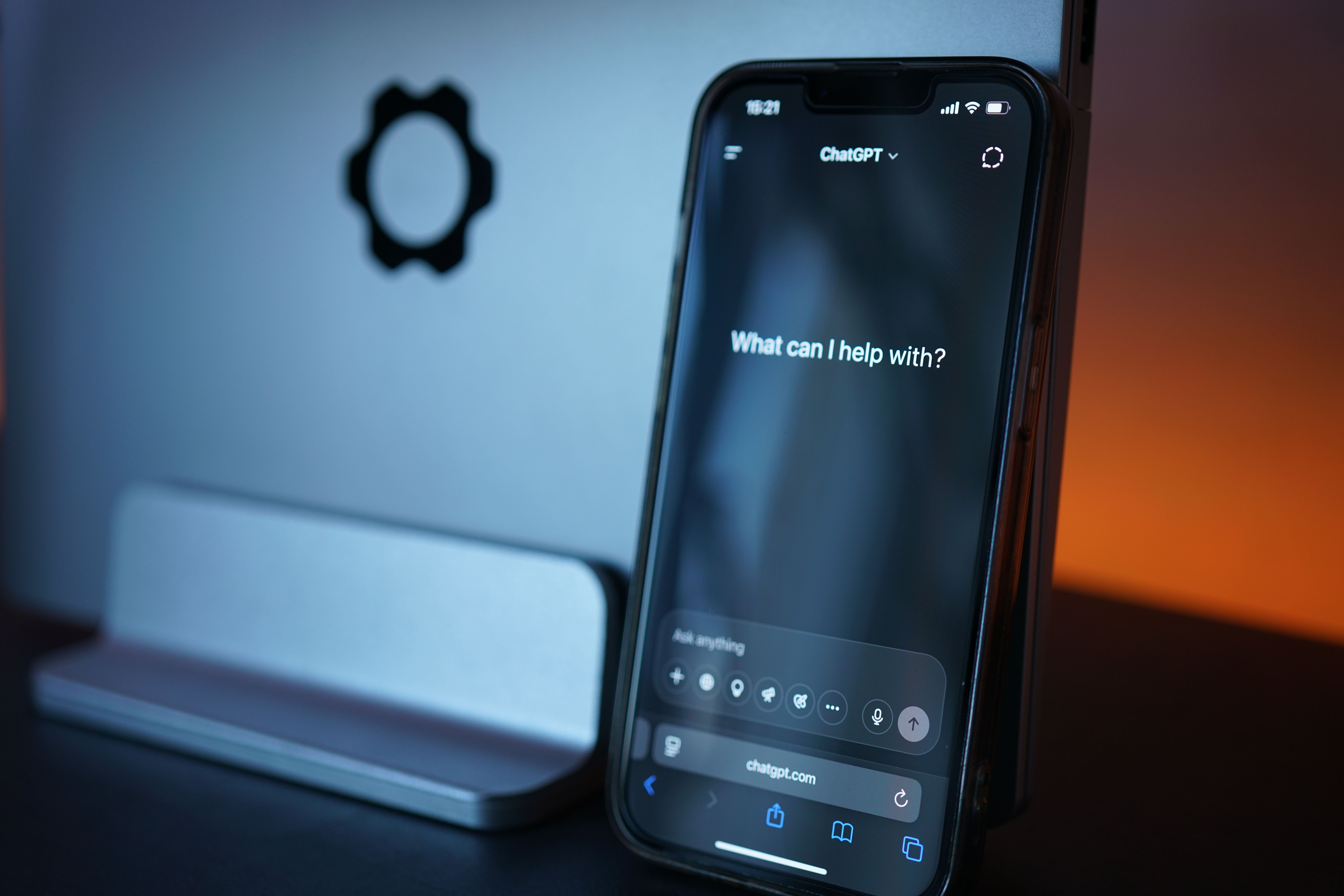
ChatGPT Search vs Bing Copilot is a useful comparison for anyone trying to understand how AI search affects visibility. Both experiences sit between classic search and conversational answers, but they do not work in exactly the same way, and that matters for brands, publishers, and ecommerce sites.
For website owners, the real question is not which platform is “best” in a universal sense. It is which system is more likely to surface accurate, useful information about your content, products, or expertise for the queries that matter to your audience.
What AI search means for visibility
AI search is a broad term for search experiences that generate answers rather than only returning a list of links. These systems may summarise information, combine multiple sources, and invite follow-up questions. That changes how users discover brands, compare products, and move towards a visit or conversion.
This is why terms such as generative search, answer engines, AI citations, and LLM visibility are now part of SEO conversations. They all describe different ways people are trying to understand whether a brand can be found, mentioned, or linked in an AI-generated answer. None of these outcomes are guaranteed, and different platforms may treat the same query in different ways.
For that reason, traditional SEO still matters. Helpful content, crawlability, indexing, strong site structure, and clear entity signals remain important foundations. If your site is difficult for search engines to understand, it is less likely to be useful to AI systems that rely on web retrieval or source selection.
ChatGPT Search and Bing Copilot: how they differ
ChatGPT Search is an AI-assisted search and answer experience from OpenAI that may use web retrieval to support responses, depending on the query and product experience. Bing Copilot Search is Microsoft’s search-connected AI experience, built around Bing’s ecosystem and presentation style. Both can show sourced answers, but they are not identical products and should not be treated as if they use the same selection process.
In practical terms, the visibility question is about how each platform handles source discovery, attribution, and presentation. A page might be cited in one system but not another. A brand mention might appear in a conversational response without a clickable link. In some cases, a user may get a direct referral visit; in others, the value is mainly brand exposure.
If you are researching platform behaviour, use official product information where possible, such as Microsoft’s overview of Copilot Search. Public documentation can help clarify what a platform says it does, but it will not reveal every retrieval detail or future interface change.
Which platform is better for visibility?
The short answer is that neither platform is universally better for all websites. Visibility depends on query type, topic authority, content quality, and the platform’s current design. A local service business may find one pattern of visibility, while a publisher, software brand, or ecommerce store may see another.
For some sites, Bing Copilot may feel more connected to traditional web discovery because it sits close to Bing’s search ecosystem. For others, ChatGPT Search may be more relevant because users ask broader, conversational questions and expect a summarised answer. These are tendencies to observe, not fixed rules.
When comparing them, look at three things: whether your pages can be crawled and indexed, whether your brand is mentioned accurately, and whether the answer includes a useful citation or referral. A citation is a clickable source reference; a brand mention is plain-text visibility; a referral visit is an actual click. They are related, but they are not the same outcome.
How AI search changes content strategy
AI search rewards content that is clear, specific, and trustworthy. That does not mean writing for machines instead of people. It means making your pages easier for both human readers and retrieval systems to interpret. Clear headings, concise explanations, accurate definitions, and strong page organisation all help.
This is where Generative Engine Optimisation, Answer Engine Optimisation, GEO, AEO, and LLMO come in. These are still developing terms, and marketers use them differently. In simple terms, they describe efforts to improve how content is understood and surfaced by AI-driven systems. They can complement SEO, but they do not replace it.
Entity optimisation also matters. An entity is a clearly identifiable person, company, product, or topic. If your organisation name, author details, location, and service descriptions are consistent across your site and credible third-party references, AI systems may find it easier to connect those signals. Structured data can support that understanding, as long as it accurately matches visible content.
Technical checks that support AI search visibility
Before changing your content strategy, check the basics. Can search engines crawl your site? Are important pages indexable? Does your robots.txt file unintentionally block key sections? Are internal links helping users and crawlers reach your most important pages?
It also helps to distinguish between search-engine crawlers, AI-related crawlers, training-related crawlers, and user-triggered retrieval. These are not the same thing, and platform policies may differ. Do not assume that allowing or blocking one crawler automatically controls how every AI system uses your content. Always check current official documentation before adjusting server rules or robots settings.
For site owners who want a structured review of technical and content foundations, a free website SEO audit can help identify issues that affect both search and AI discoverability. If you use structured data, validate it carefully and make sure it reflects the page truthfully rather than trying to manufacture eligibility.
How to measure AI search traffic and brand visibility
AI search analytics is still developing, so measurement can be incomplete. Some visits may appear as referral traffic, some as direct, and some may not be easy to classify. You may also see brand references without a click. That makes it important to look beyond traffic alone.
Useful signals include referral sessions, landing pages, assisted conversions, branded search demand, and recurring query themes. If you notice that AI platforms often mention certain pages or product categories, that can inform future content updates. Just avoid reading too much into a single citation or a short-term traffic change.
AI-generated answers can also contain errors, outdated details, or inconsistent source selection. That means brand monitoring matters. Check whether your name, pricing, service descriptions, and author information are represented correctly. If they are not, the issue may be content clarity, authority, or source context rather than a single “ranking” problem.
Common mistakes to avoid
One common mistake is treating AI visibility as a shortcut around SEO. Traditional search is still a major discovery channel, and strong organic foundations continue to matter. Another mistake is publishing unreviewed AI-generated content at scale and expecting it to build trust. Accuracy, usefulness, and editorial oversight still count.
Avoid manipulative tactics such as fake brand mentions, deceptive schema, keyword stuffing, or low-quality content produced only to game AI systems. These approaches do not create reliable visibility and can harm trust. Instead, focus on original expertise, source-backed claims, clear page structure, and genuine relevance to the user’s query.
Backlink Works also publishes SEO education that can help teams connect backlink strategy, technical setup, and broader visibility goals without overcomplicating the process.
Conclusion
So, which is better for visibility: ChatGPT Search or Bing Copilot? In practice, the better platform is the one that reaches your audience more often for the topics you cover. For many sites, the right approach is not choosing one platform and ignoring the other. It is building content that is accurate, crawlable, well-structured, and genuinely useful so it can perform across traditional search and emerging AI answer engines.
AI search is changing how information is presented, but it has not replaced SEO. Websites that combine strong technical foundations, clear entity signals, reliable content, and sensible measurement are better placed to adapt as AI-generated answers continue to evolve.
Frequently Asked Questions
Does ChatGPT Search or Bing Copilot guarantee citations for my website?
No. Neither platform guarantees that a page will be cited, mentioned, or linked. Visibility depends on the query, the system’s current retrieval design, and the relevance and clarity of your content.
Should I optimise differently for AI search than for traditional SEO?
You should extend SEO, not replace it. Good structure, clear writing, technical accessibility, and trustworthy information help both human users and AI systems, but they do not ensure inclusion in answers.
Can structured data improve visibility in AI-generated answers?
Structured data can help machines understand page context, but it does not guarantee AI citations or rankings. It should always reflect what users can actually see on the page.
What should I measure first if I want to track AI search visibility?
Start with referral traffic, branded search demand, recurring mentions, and conversion quality. Also check whether your brand is being represented accurately in AI-generated answers.
- Sponsored Ad -





