
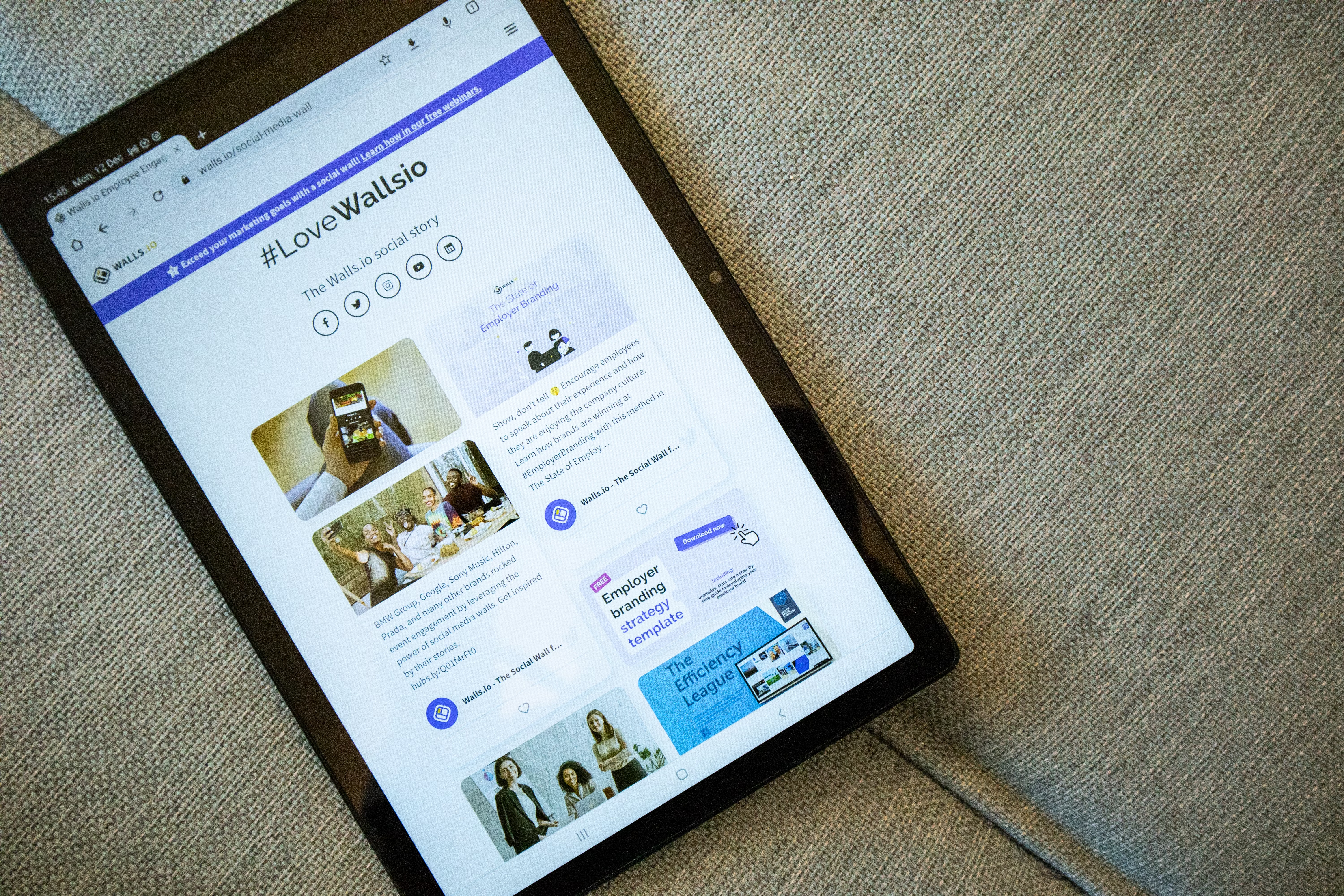
Mobile-first corporate website design is no longer just a design preference. For most businesses, it is a practical way to build a website that works well for real users, supports SEO, and presents a clear path to action on smaller screens.
When a site is designed mobile-first, the team starts with the most constrained user experience and then expands it for larger screens. This approach encourages better content hierarchy, simpler navigation, faster page loading, and a more focused layout. It is especially useful for business websites, service pages, ecommerce stores, and WordPress sites that need to support both visibility and conversions.
What mobile-first design means for business websites
Mobile-first design means planning the website experience for mobile devices before designing for desktop. That does not mean ignoring desktop users. It means prioritising the essentials: clear page structure, readable text, easy navigation, useful content, and fast performance.
For corporate websites, this approach helps avoid overcrowded pages and unnecessary design elements. Instead of squeezing a desktop layout into a phone screen, the site is built around what users actually need most. That usually includes service summaries, contact details, trust signals, product information, and strong calls to action.
It also supports better SEO-friendly website design. Search engines need pages to be crawlable, accessible, and easy to understand. A mobile-first structure often improves content clarity, internal linking, and usability, all of which contribute to a stronger overall site experience.
Why mobile-first matters for SEO and user experience
Mobile-first design matters because user behaviour and search expectations have shifted. Many visitors will first find your brand on a phone, then decide whether to explore further, enquire, or buy. If the mobile experience is awkward, slow, or confusing, engagement can drop quickly.
From an SEO perspective, design affects more than appearance. A search-friendly website usually has:
clear heading structure and readable content blocks
logical navigation and internal linking
pages that load efficiently on mobile connections
layouts that support accessibility and scannability
Google’s guidance on the SEO Starter Guide is a useful reminder that good search performance begins with a solid site foundation. Mobile usability, content organisation, and technical cleanliness all help search engines and users understand your pages.
For business outcomes, mobile-first design also supports trust. A website that is easy to use on a phone tends to feel more professional and reliable. That matters whether you are selling services, collecting enquiries, or running an ecommerce store.
Core elements of a mobile-first corporate layout
A mobile-first layout should make the most important information easy to find without clutter. Start with a strong page structure and a simple hierarchy.
Navigation and information architecture
Keep navigation concise. Many businesses do better with a short main menu, clear labels, and a visible path to key pages such as Services, About, Contact, and case studies or portfolio pages. On mobile, users should not need to hunt through long dropdown menus to find basic information.
For larger sites, good information architecture is essential. Group related pages sensibly, and make sure service pages and product pages connect naturally to supporting content. A clear structure helps users move through the site and helps search engines understand relationships between pages.
Content layout and scannability
Mobile users scan quickly. Use short paragraphs, descriptive headings, and content blocks that answer common questions early. Keep the most important message near the top of the page, followed by supporting details, proof, and action points.
This is especially important for landing pages and service pages. If the page is too long without clear signposts, users may leave before reaching the main offer. A well-paced layout can make the page easier to read without reducing depth.
Calls to action and conversion-focused design
On mobile, calls to action should be visible, specific, and easy to tap. Use one primary action per page where possible, such as Book a Call, Request a Quote, or View Products. Avoid crowding the screen with too many competing buttons.
Conversion-focused design is not about being pushy. It is about reducing friction. Results depend on traffic quality, the clarity of the offer, trust signals, the copy, and whether the page matches user intent. Design can help guide the visit, but it should not try to force a response.
Speed, Core Web Vitals, and technical performance
Website speed is a major part of the mobile-first experience. On smaller devices, large images, unnecessary scripts, and heavy page builders can slow pages down and make them frustrating to use. Faster pages are generally easier to browse, and they support better engagement.
Core Web Vitals are a useful framework for thinking about real user experience. They focus on loading performance, interaction responsiveness, and visual stability. In practice, that means avoiding layout shifts, keeping key content visible quickly, and reducing elements that make the page feel sluggish.
For website owners using WordPress website design, performance depends on theme quality, plugin choices, image optimisation, and hosting. A lightweight theme, compressed images, and carefully selected plugins often improve performance more than visual complexity does. The same applies to ecommerce website design, where product images and scripts can affect page speed if they are not managed well.
Tools such as PageSpeed Insights can help identify performance issues and opportunities for improvement. Use the results as a guide, not as a score to chase blindly.
Designing mobile-first pages that support SEO and conversions
Different page types need slightly different design priorities, but the same mobile-first principles apply across a business website.
Service pages should explain what you offer, who it is for, how it works, and why someone should trust you. Add concise proof points, FAQs, and internal links to related pages. This improves both clarity and crawlability.
Product pages should present specifications, benefits, pricing, variants, images, and delivery or return information in a format that is easy to browse on mobile. Keep the buying path simple and reduce distractions.
Landing pages should focus on a single goal. Use a tight content flow: headline, value proposition, supporting details, trust signals, and a clear next step. Avoid unnecessary links that pull attention away from the main action.
Corporate homepages should help visitors understand the business quickly and direct them to the most useful sections. A homepage should not try to say everything at once. It should guide users to the right place.
If you are planning wider SEO improvements alongside redesign work, a free website SEO audit can help identify structural issues, content gaps, and performance concerns before design changes go live.
Best practices and common mistakes to avoid
Mobile-first design works best when it is simple, consistent, and honest. A few practical habits can make a meaningful difference:
- Use readable font sizes and enough spacing between clickable elements.
- Keep menus short and make key pages easy to reach.
- Compress images and remove unnecessary scripts where possible.
- Write content in plain language with clear subheadings.
- Test forms, buttons, and navigation on real mobile devices.
- Check accessibility basics such as contrast, labels, and keyboard support.
Common mistakes include hiding important content on mobile, using oversized banners that push useful information too far down the page, and relying on design effects that slow the site. Another issue is treating desktop as the default and then shrinking the layout later. That often leads to awkward spacing, poor hierarchy, and weak usability.
For corporate sites and agency projects, planning the mobile experience first can also improve collaboration. Designers, developers, and content teams can focus on essentials early, which often leads to cleaner layouts and more consistent page templates.
Conclusion
Mobile-first corporate website design is a practical approach for businesses that want stronger usability, clearer content, and a better foundation for SEO. It supports responsive web design, faster pages, better navigation, and more focused conversion paths across service pages, product pages, and landing pages.
The key is to design for real users first: make pages easy to scan, keep the structure logical, reduce friction, and ensure the site performs well on mobile devices. If you build from that foundation, your website is more likely to support visibility, trust, and long-term growth.
For businesses and teams looking to improve their site structure and digital presence, Backlink Works Insights publishes practical guidance on website growth and online visibility, with design decisions always tied back to user experience and search performance.
Frequently Asked Questions
What is mobile-first website design?
It is a design approach that starts with the mobile experience first, then adapts the layout for larger screens. This usually leads to simpler navigation, clearer content, and better usability.
Why does mobile-first design matter for SEO?
It helps with mobile usability, page speed, content structure, accessibility, and crawlability. These are all important parts of a search-friendly website.
Is mobile-first design suitable for ecommerce websites?
Yes. It is often very effective for ecommerce because product pages, filters, and checkout flows need to work smoothly on smaller screens.
Can a WordPress website be built mobile-first?
Yes. WordPress sites can be designed mobile-first using the right theme, content structure, image optimisation, and performance-focused setup.
- Sponsored Ad -





