
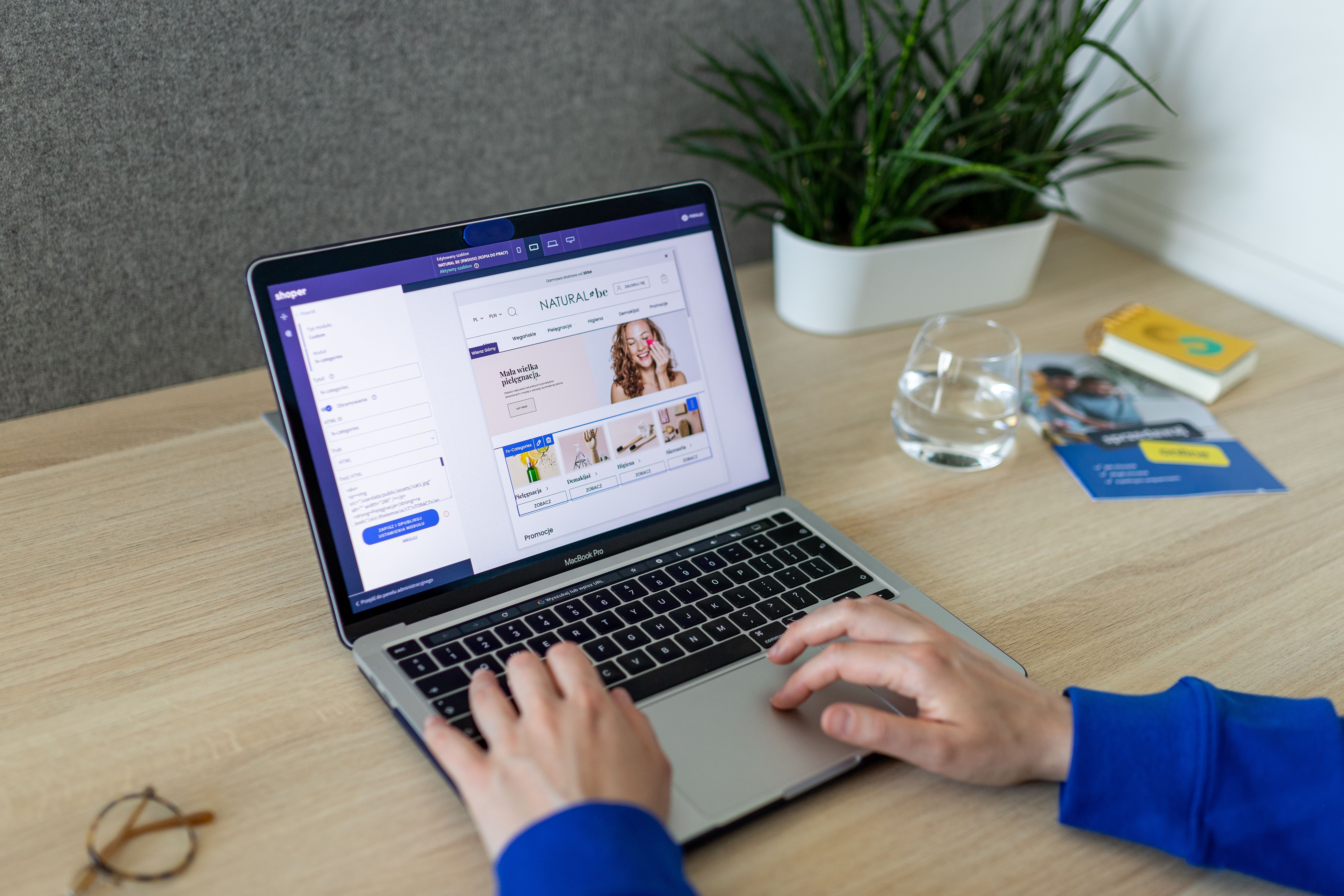
Mobile-first WordPress blog design is no longer a niche approach. It is now a practical way to improve readability, speed, accessibility and engagement across devices, especially for audiences who browse on phones before they ever see a desktop layout.
For business websites, bloggers, consultants and ecommerce brands, a mobile-first approach helps content feel easier to scan, taps and clicks feel more natural, and key pages support SEO more effectively. When design, structure and performance work together, visitors are more likely to stay longer, explore further and take the next step.
What mobile-first design means for WordPress blogs
Mobile-first design means planning the blog experience for smaller screens first, then expanding it for tablets and desktops. In WordPress, this affects theme choice, menu behaviour, typography, spacing, image handling and how content is arranged on each page.
It is not just about making a site “fit” on mobile. Good mobile-first website design considers crawlability, content hierarchy, Core Web Vitals, readability, and how quickly users can understand the page. For SEO, that matters because search engines evaluate mobile usability and page experience as part of overall site quality.
A strong mobile-first blog also supports business goals. If people can find information quickly, trust the layout and move to related pages without frustration, the site is more likely to support enquiries, subscriptions or product discovery.
Build a clear content structure and page layout
On mobile, space is limited, so every part of the layout needs a purpose. Start with a simple structure: a clear headline, a short introduction, readable body text, and logical subheadings. This helps both users and search engines understand the page.
Use short paragraphs and avoid placing too many elements above the fold. For blog posts, the opening section should tell readers what they will get and why it matters. For service pages or product pages, the same principle applies: show the main value quickly, then support it with details, proof and next steps.
WordPress blocks and reusable sections can help you keep layouts consistent across posts and landing pages. Consistency improves usability because visitors learn where to find key information such as calls to action, related posts, contact details or product links.
Practical layout tips
Use one main content column on mobile, keep line lengths readable, and make sure headings break up dense text. If your blog includes related articles, place them after the main content rather than distracting from the core message too early.
Where appropriate, you can also use a free website SEO audit to review structure, internal linking and technical signals that may affect content visibility.
Improve mobile UX and UI for easier engagement
User experience and user interface design work together on mobile. UX covers how easy the blog is to use, while UI covers the visual controls people interact with. On a phone, tiny friction points become obvious very quickly.
Buttons should be large enough to tap comfortably, menus should be simple, and interactive elements should not feel crowded. Avoid layouts that rely on hover effects, since they do not translate well to touchscreens. If your blog has categories, tags or filters, make them easy to use without overwhelming visitors.
Trust signals also matter. A visible author name, clear publication dates, readable formatting and a professional design all help people feel more confident in the content. For service businesses and consultants, this can support enquiry-driven pages as well as blogs.
Best practices for mobile usability
Keep navigation minimal, use familiar icons carefully, and make forms short. If a post links to a service page, product page or contact page, the path should feel obvious. Good design should guide users without forcing them.
Support SEO with speed, accessibility and performance
Search-friendly design is not only about keywords. It also depends on fast loading, accessible markup and a structure that is easy to crawl. Mobile users are often on slower connections, so performance has a direct impact on engagement.
Compress images, use modern file formats where appropriate, and avoid loading unnecessary scripts on every page. Choose a lightweight WordPress theme and only keep plugins that genuinely add value. Bloated page builders and large media files can slow down the experience and make content harder to access.
Core Web Vitals are useful indicators here. A stable layout, responsive images and efficient code can help improve the user experience, but they should be seen as part of a wider design strategy rather than a standalone fix. Google’s own performance guidance is a helpful reference when reviewing page speed and loading behaviour.
Accessibility is equally important. Use proper heading order, strong colour contrast, legible font sizes and descriptive link text. This helps visitors using assistive technologies and also improves clarity for everyone.
Design navigation and internal linking for discovery
A mobile-first blog should help readers move easily between related content. Internal links support SEO by helping search engines understand relationships between pages, and they support users by offering the next useful step.
For example, a blog post about design could link to a service page, a product comparison page or another guide that expands the topic. In WordPress, you can use menus, related posts modules and contextual links within the copy. The key is relevance, not volume.
Navigation should stay simple and predictable. A sticky header can be useful if it does not consume too much screen space. Keep the number of top-level menu items manageable, and ensure important pages such as About, Services, Blog and Contact are easy to reach.
If your wider strategy includes link building, the quality of the website experience still matters. Even strong backlinks are more effective when the destination page is fast, clear and useful. You can explore the backlink building process alongside your design work to see how content and authority support one another.
Optimise blog posts, service pages and landing pages for conversions
Mobile-first design can support conversions, but results depend on traffic quality, offer clarity, page trust and user intent. A good design makes the next action obvious; it does not force it.
For blog posts, the conversion goal might be newsletter sign-ups, service enquiries or clicks to related resources. For ecommerce websites, it may involve moving readers to product pages, comparison content or category pages. For business websites, the priority may be calls, forms or booking actions.
Keep calls to action concise and relevant. Place them where they make sense in the user journey, not just at the top and bottom of the page. Use consistent button styling, but do not disguise ads or links as content. Landing pages should be focused, with one clear goal, supporting proof and minimal distraction.
When testing changes, look at analytics, scroll depth, click behaviour and page speed together. A layout that looks attractive but confuses visitors will usually underperform a simpler design that makes information easy to find.
Common mobile-first mistakes to avoid
One common mistake is treating mobile as a reduced version of desktop. That often leads to cramped sections, long loading times and awkward navigation. Another issue is using oversized hero images that push the useful content too far down the page.
Other problems include overly complex menus, weak contrast, tiny font sizes and too many pop-ups. These can damage trust and make the site harder to use. For WordPress blogs, it is also important to avoid installing too many plugins just because they seem useful; each one should earn its place.
A practical review process can help. Test key pages on a real phone, check headings and tap targets, and make sure the content still works when images load slowly or scripts fail. If you are reviewing a broader WordPress site, Backlink Works offers resources that can help you assess structure and visibility without overcomplicating the process.
Conclusion
Mobile-first WordPress blog design is about more than responsive layouts. It is a practical approach that supports SEO, usability, accessibility, speed and conversion-focused content design. When the structure is clear, the interface is easy to use and the pages load efficiently, visitors have a better chance of engaging with the content in a meaningful way.
Start with the basics: simplify layouts, improve readability, reduce friction and organise content around user intent. From there, refine navigation, internal linking and performance so that your blog supports both search visibility and business growth over time.
Frequently Asked Questions
Why is mobile-first design important for WordPress blogs?
It helps make content easier to read and use on smaller screens, which supports engagement, usability and search visibility.
Does mobile-first design improve SEO directly?
It can support SEO through better mobile usability, clearer structure, faster loading and improved accessibility.
What should I prioritise on a mobile blog page?
Prioritise readable text, simple navigation, fast loading, strong headings and clear internal links to related content.
Can a mobile-first blog help conversions?
Yes, if the page matches user intent and makes the next step clear, but results depend on content quality, trust and testing.
- Sponsored Ad -





