
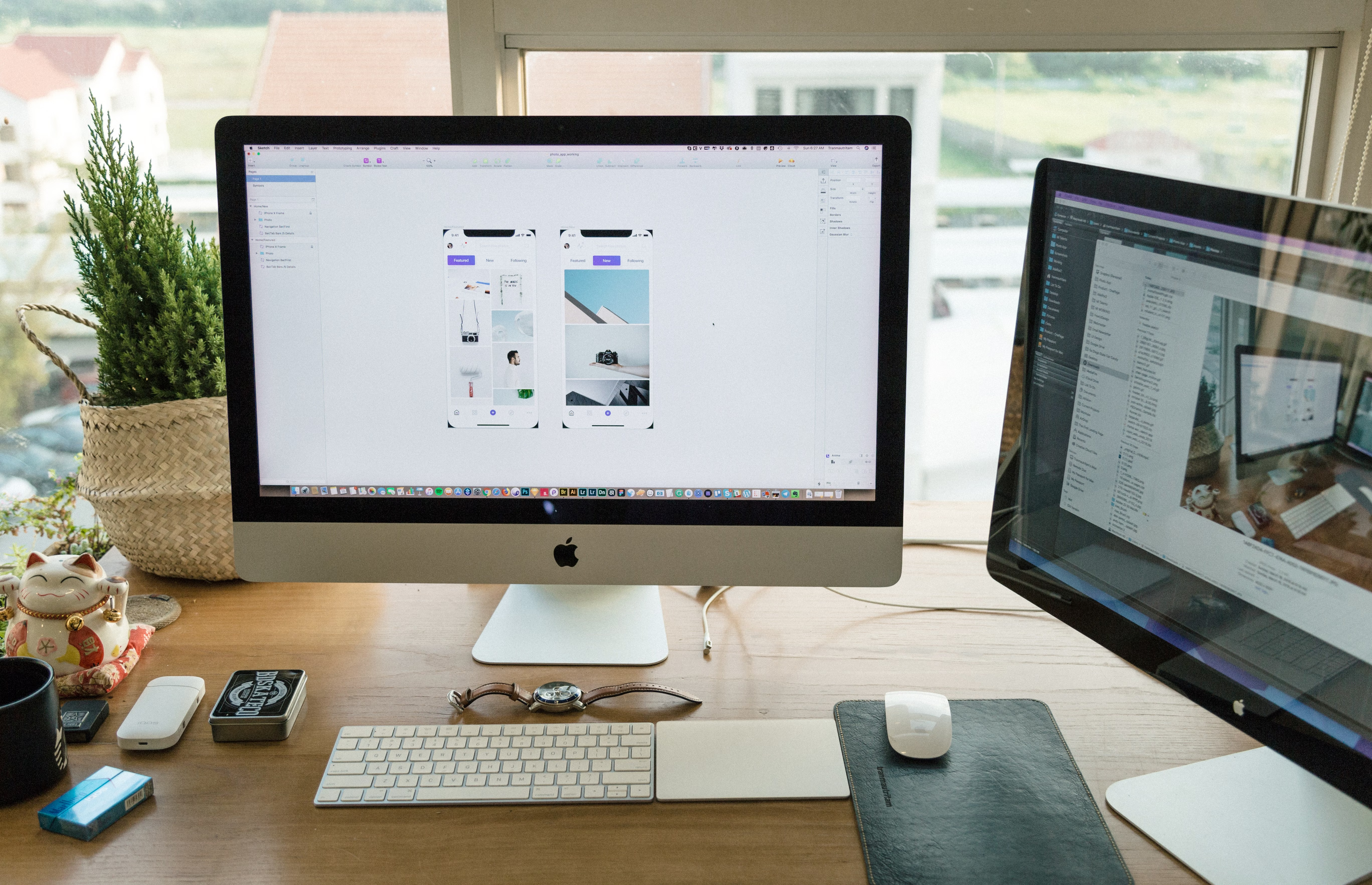
Mobile-first custom website design is no longer just a trend. For many businesses, it is the most practical way to create a site that feels easy to use on smaller screens, loads quickly, and supports search visibility and conversions.
When a website is designed for mobile users first, the result is often clearer content, better navigation, and fewer friction points across the entire experience. That can benefit SEO-friendly website design as well as user experience, because search engines and visitors both respond better to pages that are structured well, accessible, and easy to use.
What mobile-first website design really means
Mobile-first design starts with the smallest screen and builds up from there. Instead of shrinking a desktop layout to fit a phone, the design team plans the most important content, actions, and page structure for mobile users first, then expands the interface for tablets and desktops.
This approach suits custom website design because it forces clarity. You need to decide what matters most on each page: the main message, the primary call to action, the supporting proof, and the navigation path. That helps avoid clutter and keeps the layout focused on the user’s next step.
For SEO, mobile-first design supports crawlability, mobile usability, page speed, internal linking, and content hierarchy. For conversions, it can reduce distraction and make it easier for visitors to enquire, buy, book, or read more.
Build a strong structure before adding visual polish
A website performs better when the structure is planned before the styling. That means mapping the site around clear page types such as home, about, service pages, product pages, blog posts, landing pages, and contact pages.
Each page should have one main purpose. A service page may need to explain the offer, show trust signals, answer common questions, and guide the user to a quote form. A product page may need concise features, images, pricing clarity, delivery information, and a simple add-to-basket path. A landing page should remove unnecessary navigation and focus on one conversion goal.
Good website structure also makes internal linking more useful. Visitors should be able to move naturally between related pages without getting lost. Search engines also use that structure to understand which pages are most important and how your content is connected.
Practical structure tips
Keep the main menu short and meaningful. Use clear labels, not jargon. Group related pages logically, and make sure important pages are no more than a few clicks away from the home page. If you want to review how SEO and structure work together, the Google Search Central resources are a useful reference.
Design for thumb-friendly navigation and clear content layout
On mobile, users interact with a website differently. They scroll more, tap more, and scan content in short bursts. That means navigation, spacing, and layout need to support quick decisions.
Use tap targets that are easy to select, with enough space between buttons and links. Place the most important action high on the page, such as “Get a quote”, “Book a call”, or “Shop now”. Keep forms short where possible, and avoid forcing users to zoom in or hunt for essential information.
Content layout matters too. Break long text into short sections with clear headings. Use bullet points where they help readability. Put key benefits near the top of the page and supporting details below. This improves scannability, which is especially important for service businesses, blogs, and ecommerce brands.
Strong UI design is not only about colours and typography. It is about making each screen obvious, calm, and easy to act on. That is one reason many teams use custom website design rather than relying on a generic template.
Improve speed and Core Web Vitals from the start
Website speed is a design issue as much as a technical one. Large images, heavy scripts, oversized sliders, and unnecessary plugins can slow down the mobile experience and make pages harder to use.
Core Web Vitals are useful because they reflect real user experience. A fast-loading site feels more stable and responsive, while a slow one can increase frustration and reduce engagement. You do not need to chase perfect scores, but you should aim for a smooth, efficient experience.
Design decisions that help performance include using optimised images, limiting font variations, reducing visual clutter, and avoiding features that add weight without improving usability. In WordPress website design, this often means choosing lightweight themes, reviewing plugins carefully, and testing changes before they go live.
For a quick check on page experience, you can use PageSpeed Insights to spot obvious performance issues and identify improvement areas.
Common speed mistakes to avoid
Do not rely on oversized hero images, autoplay media, or too many third-party scripts on every page. Avoid designing layouts that require excessive animation on mobile. These choices can make a site feel less efficient, even if it looks polished on a desktop screen.
Create landing pages and conversion paths with intent
Conversion-focused design works best when it matches user intent. Someone arriving from search, social media, or paid traffic may need a different page layout depending on what they are trying to do.
A good landing page makes the offer clear quickly. It explains what the business does, who it is for, why it matters, and what the user should do next. Trust signals such as testimonials, client logos, certifications, delivery details, or service guarantees can help, but they should be genuine and relevant.
For ecommerce website design, this may mean clearer product photography, better category filters, and simplified checkout steps. For business websites and service pages, it may mean prominent calls to action, concise service descriptions, and reassurance around process, pricing, and response times.
Conversions depend on many factors: traffic quality, offer clarity, page layout, copy, trust, and user intent. Good design can improve the path, but it does not guarantee results on its own.
Make accessibility and usability part of the design brief
Accessible design improves the experience for more visitors and often strengthens the overall quality of a website. Simple changes such as readable contrast, descriptive link text, logical heading order, and keyboard-friendly navigation can make a real difference.
Accessibility also supports SEO-friendly website design because it encourages better HTML structure and clearer content relationships. For example, headings should describe the content beneath them, images should have useful alt text where appropriate, and interactive elements should be labelled clearly.
UX and accessibility are closely linked. If a form field is hard to understand, or a menu is awkward to use on a phone, visitors may leave before they ever see the offer. Design decisions should reduce effort, not add it.
If you are building or refining a WordPress site, choose themes and plugins that support clean markup, accessible components, and strong performance rather than relying on visual effects alone.
Best practices for mobile-first custom websites
A useful way to keep the project on track is to review the basics before launch:
- Prioritise the main user action on each page.
- Keep navigation short and easy to understand.
- Use a clear visual hierarchy with headings and spacing.
- Design forms for mobile use first.
- Optimise images and media for speed.
- Check accessibility, contrast, and tap targets.
- Test key pages on real devices, not just a desktop browser.
- Review analytics to see where users drop off.
These steps help websites grow in a practical way, because they connect design decisions to user behaviour. If you want to improve the SEO side of a redesign, a free website SEO audit can help identify structural or technical issues worth fixing before new pages are launched.
Conclusion
Mobile-first custom website design is about building websites that feel clear, fast, and useful on the devices people use most. When the layout, navigation, content structure, and performance are planned from a mobile perspective, the result is usually better for UX, accessibility, and search visibility.
For businesses, that means a website that is easier to understand, easier to use, and easier to improve over time. Whether you are designing a service site, an ecommerce store, or a content-led WordPress build, a mobile-first approach gives you a more practical foundation for SEO and conversions.
For teams comparing wider growth support, Backlink Works shares educational resources on website visibility and SEO strategy, which can complement a design-led optimisation plan.
Frequently Asked Questions
Why is mobile-first design important for SEO?
It helps with mobile usability, page speed, content structure, and crawlability, all of which support search performance.
Does mobile-first design mean ignoring desktop users?
No. It means designing the mobile experience first, then expanding the layout for larger screens in a sensible way.
What pages benefit most from conversion-focused design?
Service pages, product pages, landing pages, and contact pages usually benefit most because they guide users towards a clear action.
Can WordPress support a mobile-first website?
Yes. With the right theme, plugins, and performance choices, WordPress can support clean, responsive, mobile-first design very well.
- Sponsored Ad -





