
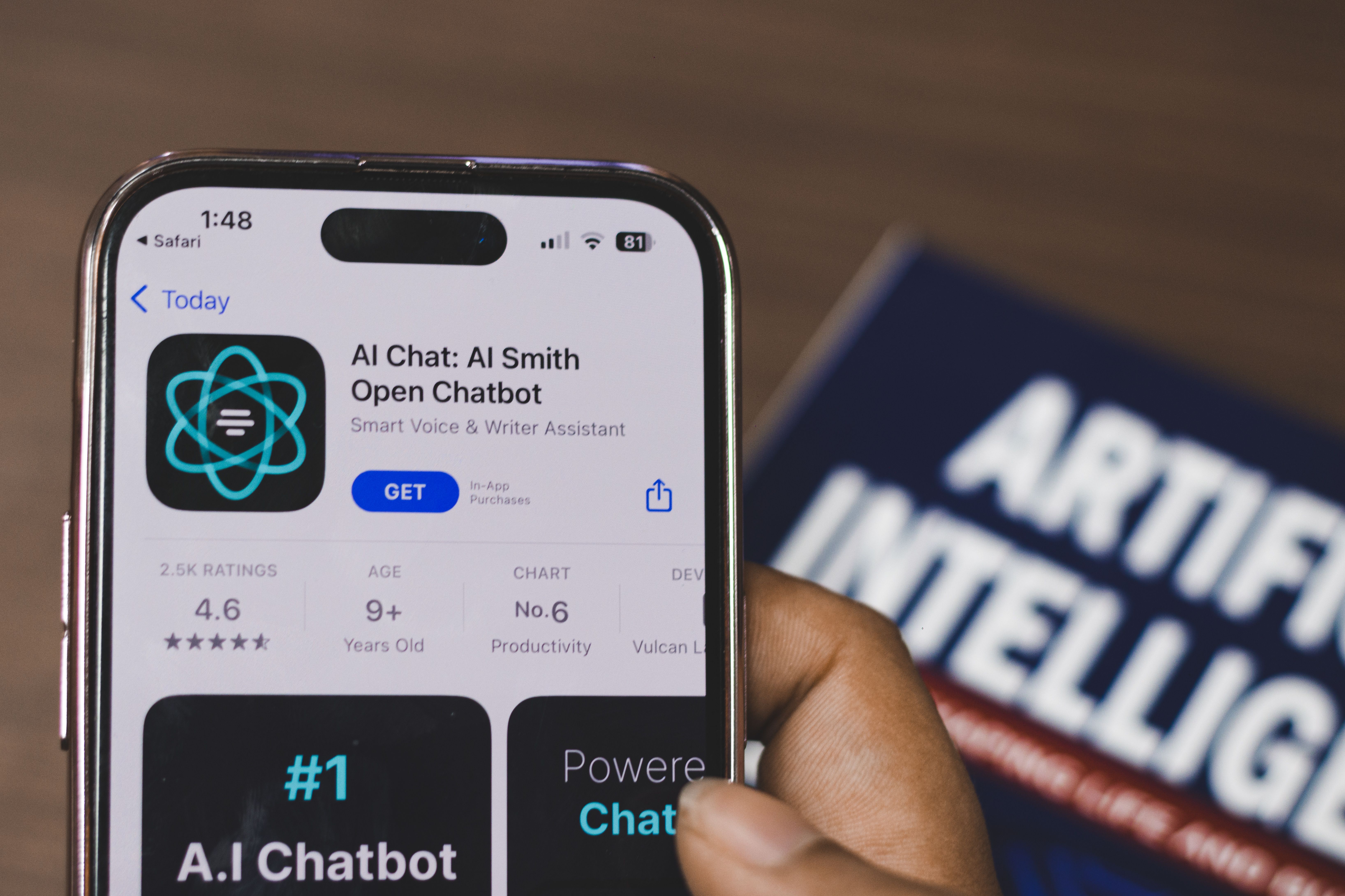
Gemini Traffic Explained: How AI Search Finds and Shows Content is really about a new discovery path, not a replacement for traditional search. In AI search and generative search, systems may gather information from webpages, combine it with query context, and present a direct answer, summary, or follow-up suggestion rather than a simple list of blue links.
For website owners, that changes how visibility is understood. A page can be discovered, quoted, mentioned, or linked in different ways across answer engines such as Google AI Overviews, Google AI Mode, ChatGPT Search, Perplexity, Microsoft Copilot Search, Gemini, and Claude. The key question is no longer only “Can I rank?” but also “Can my content be found, understood, trusted, and surfaced in AI-generated answers?”
What Gemini traffic means in AI search
Gemini traffic usually refers to visits, visibility, or brand exposure that may come from Google’s Gemini-related experiences, including AI-assisted responses and search surfaces where Google combines retrieval and generation. The exact interface and output can vary by product version, region, query type, and account settings.
Unlike a traditional search results page, an AI-generated answer may synthesise information from several sources. That means a user may see a concise explanation, a few cited pages, or a broader summary with fewer visible links than they would in standard search. In some cases, the user may never click through. In others, a citation or brand mention may prompt a visit later in the journey.
How AI search finds and shows content
AI search systems often depend on a mix of crawling, indexing, retrieval, and answer generation. A search engine crawler first needs access to your pages, then the content has to be understood and indexed. Later, a generative system may decide which pieces of information are relevant to the query and how to present them.
That process is not the same across platforms. Google AI Overviews, ChatGPT Search, Perplexity, Copilot Search, Gemini, and Claude may use different source-selection methods, interface designs, and citation styles. Some may show clickable citations prominently, while others may show text-only references or broader summaries with limited attribution.
If you want a useful starting point on Google’s own search guidance, the Google Search documentation on AI features is a better reference than assumptions or third-party speculation.
Why traditional SEO still matters for AI visibility
Traditional SEO has not become obsolete. In practice, many of the same foundations still matter: crawlability, indexability, page quality, clear structure, accurate information, and a helpful user experience. AI systems still need content that is accessible and understandable before they can consider it for a generated response.
That makes classic technical and editorial work relevant. Clean site architecture, descriptive headings, internal links, fast-loading pages, and well-written copy can help both human visitors and machine systems. For example, a product page with clear specifications, visible pricing, and accurate merchant details is easier for both a shopper and a retrieval system to interpret than a vague sales page.
For website owners reviewing broader SEO basics alongside AI search, a free website SEO audit can help highlight technical gaps, content issues, and visibility problems that affect both standard search and AI-assisted discovery.
GEO, AEO, LLM visibility, and entity optimisation
Generative Engine Optimisation (GEO), Answer Engine Optimisation (AEO), and LLM visibility are terms marketers use to describe improving discoverability in AI-generated answers. The terminology is still developing, and different people use it differently. These ideas are best treated as an extension of SEO, not a replacement for it.
Entity optimisation is another useful concept. An entity is a clearly defined thing such as a brand, person, product, or organisation. If your website uses consistent business details, accurate author information, and a clear relationship between pages, it is easier for systems to recognise what your site is about. Structured data can help clarify that meaning, but it does not guarantee inclusion or citation.
Well-structured backlink strategy and brand mentions can also support wider authority signals over time. If you are exploring foundational link building as part of a broader visibility plan, the ultimate guide to backlink building may be useful alongside your content and technical work.
AI citations, brand mentions, and referral traffic are not the same thing
It helps to separate several related outcomes. A clickable citation is a source link shown inside or alongside an AI answer. A text-only brand mention may name your business without linking to you. A recommendation suggests your brand or content as a useful option. A referral visit is actual traffic sent to your site. A traditional search ranking is a position in standard search results.
These are connected, but they are not interchangeable. A citation does not always equal endorsement. A mention does not always create traffic. An AI answer can also contain errors, outdated information, or incomplete attribution, especially when the system summarises multiple sources.
Because of that, AI search analytics should not rely only on vanity signals. Look at landing pages, enquiries, assisted conversions, brand accuracy, and recurring query themes. Search Console, analytics tools, and on-site logs may help, but they will not always capture every AI-assisted journey cleanly.
What to improve if you want stronger AI search discoverability
Start with content quality. Write clearly, answer the real query, and support claims with visible evidence where possible. Update pages that are stale, thin, or confusing. If content is AI-assisted, it still needs human editing, fact-checking, and editorial responsibility.
Next, make the page easy to interpret. Use descriptive headings, concise intros, and straightforward language. Add structured data only where it accurately reflects the visible page content, and validate it with approved tools if you are unsure.
Then check technical access. Search-engine crawlers, AI-related crawlers, training-related crawlers, and user-triggered retrieval are not identical. A robots.txt rule or server change may affect one type of access without affecting another in the same way. Before making changes, review the latest official documentation and test carefully.
Finally, strengthen your entity signals. Keep business details consistent across your site, author bios, organisation pages, and major profiles. Reliable third-party mentions can help context, but they should be earned, not fabricated.
Measuring AI search traffic without overreading the data
Measuring AI search traffic is still imperfect. Some visits may appear in analytics as referral traffic, some as direct, and some may be harder to classify depending on the platform and the user’s journey. That means a drop in visible clicks does not always mean a drop in visibility, and a rise in mentions does not always mean more revenue.
Useful checks include branded search trends, referral sources, key landing pages, assisted conversions, and whether your content is being presented accurately in AI-generated answers. If you are publishing content at scale, keep reviewing quality, duplication risk, and outdated claims. The best AI search strategy still serves people first and systems second.
Conclusion
Gemini traffic and wider AI search visibility are best understood as part of a broader discovery ecosystem. AI systems can find, summarise, cite, or mention content in ways that differ from traditional search, and those patterns may change as products evolve. No site can be guaranteed inclusion, but clear content, technical accessibility, strong entity signals, and trustworthy information improve the chances of being understood by both users and machines.
For brands, publishers, ecommerce stores, and agencies, the practical approach is simple: keep building good SEO foundations, publish genuinely useful content, monitor how AI answers represent your pages, and adapt as the interfaces change. That balance is far more sustainable than chasing a single platform outcome.
Frequently Asked Questions
What is Gemini traffic in simple terms?
It usually means visits or visibility that come from Gemini-related AI experiences, where content may be surfaced inside an AI-generated answer rather than a standard search listing.
Can I guarantee my site will be cited in AI answers?
No. AI systems do not publish a guaranteed citation formula, and source selection can vary by query, platform, and interface.
Do structured data and schema guarantee AI visibility?
No. Structured data can help explain what a page is about, but it does not guarantee selection, ranking, or citation in AI-generated results.
How should I track AI search performance?
Use a mix of referral data, branded demand, landing page performance, assisted conversions, and brand accuracy checks, while recognising that some AI-driven visits may be hard to classify.
- Sponsored Ad -





