
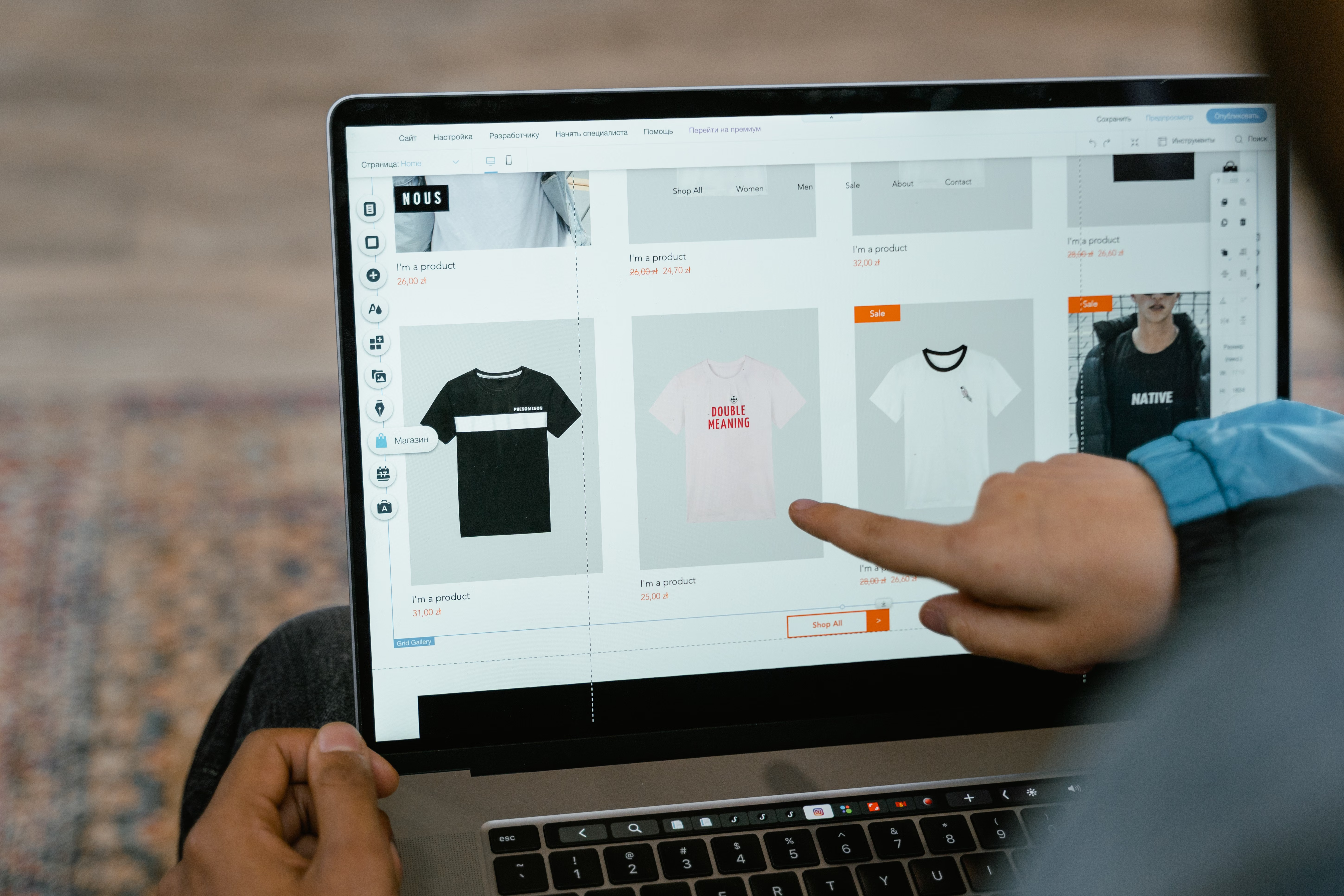
Landing pages are one of the most important parts of a website when the goal is to generate enquiries, sign-ups or sales. Unlike a full homepage, a landing page should guide visitors towards one clear action with minimal distraction and a strong sense of relevance.
Conversion-focused landing page design is not about using tricks or pushing people into action. It is about creating a clear, trustworthy and easy-to-use page that matches search intent, works well on mobile, loads quickly and gives visitors the confidence to take the next step.
What conversion-focused landing page design means
A conversion-focused landing page is designed around one primary goal. That might be filling in a contact form, booking a call, requesting a demo, downloading a guide or making a purchase. Every part of the page should support that goal, from the headline and layout to the calls to action and trust signals.
Good landing page design combines UX, UI, content structure and performance. It should be simple to scan, easy to navigate and clear about what the visitor gets. For SEO-friendly website design, this also means making sure the page is easy for search engines to understand through clean structure, descriptive headings, internal links and accessible content.
Start with user intent and a clear offer
The best landing pages begin with a clear understanding of user intent. If someone clicks through from a search result, ad or email, the page should reflect the promise that brought them there. A visitor looking for “emergency plumber in Manchester” needs a very different landing page from someone searching for “cloud accounting software for small business”.
The offer should be obvious within seconds. Avoid long introductions, vague messaging or multiple competing actions. Make the value clear, explain the outcome in simple language and support it with a focused call to action. If the page is for a service business, describe the service, who it is for and what happens next. If it is for ecommerce, make the product, benefits, delivery details and purchase steps easy to find.
For more background on broader search and content alignment, you can also review the free website SEO audit available from Backlink Works.
Use layout, hierarchy and content structure to guide action
Page layout plays a major role in conversion-focused design. Visitors do not read every word; they scan. That means headings, spacing, section order and visual hierarchy matter as much as the copy itself. A strong landing page usually starts with a clear headline, a short supporting paragraph, a prominent call to action and a visual element that reinforces the offer.
Break content into sections that answer the visitor’s main questions in a logical order: what it is, why it matters, how it works, what it includes, and why they should trust you. This kind of structure improves usability and helps SEO by making the page easier to crawl and interpret.
Use subheadings, bullet points and short paragraphs to reduce friction. Keep the most important content above the fold, but do not overload the top of the page. People often need a little context before they convert, especially for higher-consideration services or products.
Practical layout tips
Place one primary call to action near the top of the page and repeat it naturally further down. Use supporting elements such as testimonials, FAQs, guarantees where appropriate, service details, delivery information or process steps. These help reduce uncertainty without cluttering the page.
For WordPress websites, templates and blocks can be used to build a consistent structure across service pages, product pages and lead generation pages. If you want to improve internal structure and supporting content, the backlink building process guide can also help you understand how page-level content fits into broader website growth.
Design for mobile-first and responsive usability
Many landing page visitors will arrive on a phone, so mobile-first design is essential. Buttons need to be easy to tap, text must be readable without zooming and forms should stay short and simple. A page that looks polished on desktop but awkward on mobile will often lose leads before the visitor reaches the offer.
Responsive web design ensures the layout adapts to different screen sizes without breaking the user experience. Keep the most important message near the top on smaller screens. Avoid dense sidebars, overcrowded sections and oversized images that push the key action too far down the page.
Mobile usability also affects SEO because search engines consider how well pages work on smaller devices. If a landing page is slow, hard to read or difficult to use, it can weaken engagement and reduce the chance of a meaningful visit.
Make speed, accessibility and Core Web Vitals part of the design
Website performance is not only a technical concern; it is a design concern too. Heavy images, unnecessary scripts, overcomplicated page builders and poor layout choices can slow a landing page down. Faster pages are generally easier to use, especially on mobile connections, and better performance supports both usability and search visibility.
Core Web Vitals are useful measures of how a page behaves in real use, including loading speed, visual stability and responsiveness. While design alone will not guarantee strong results, clean layouts, efficient media and careful use of interactive elements can improve the user experience.
Accessibility is equally important. Clear contrast, readable typography, logical heading order and descriptive labels on forms all help more people use the page. Accessible design also supports SEO because it improves clarity and structure. For a trusted reference, Google’s SEO Starter Guide explains how search-friendly design and helpful content work together.
Build trust with content, UI and proof points
Conversion-focused landing pages do not rely on hype. They build confidence. People are more likely to act when they understand what they are getting and feel reassured that the business is credible. That is where good UI and trustworthy content matter.
Useful trust signals include clear contact details, service areas, transparent pricing where appropriate, delivery information, client logos, case examples, certifications and genuine testimonials. Keep these honest and relevant. Avoid anything that feels exaggerated or misleading.
In ecommerce website design, trust signals might include secure checkout indicators, clear returns information, product dimensions, shipping details and honest product photography. For service pages, this may mean process explanations, team information and clear next steps. If your site is built on WordPress, well-structured pages and consistent design patterns can make it easier to present this information clearly across the site.
Measure, test and improve the page over time
A landing page should not be treated as finished once it goes live. Results depend on traffic quality, the offer, the copy, the design, user intent and how well the page performs on different devices. That is why testing and measurement matter.
Use analytics to see where people drop off, which sections they engage with and whether the call to action is being seen and used. Heatmaps and session recordings can also highlight confusing layouts, weak content sections or form issues. Small changes such as simplifying a headline, shortening a form or improving button contrast can make a meaningful difference to usability, but every change should be tested rather than assumed.
For businesses that want a structured review of their website and lead generation pages, Backlink Works offers educational resources on SEO, content and website growth that may help inform your optimisation plan.
Common landing page mistakes to avoid
Some of the most common problems are also the easiest to prevent. Too many calls to action can distract from the main goal. Long, unbroken text blocks make pages harder to scan. Slow-loading media can frustrate mobile users. Weak headings can make the page feel unclear, while missing trust signals can reduce confidence.
It is also a mistake to design landing pages without thinking about the wider website structure. If the page sits in isolation, visitors may not find supporting information such as service details, related content or contact options. A well-designed website connects landing pages to useful internal pages without overwhelming the user.
Conclusion
Conversion-focused landing page design is about clarity, trust, performance and relevance. When a page is built around user intent, supported by responsive design, structured content and a fast, accessible layout, it becomes much easier for visitors to understand the offer and decide whether to act.
For website owners, startups, agencies and service businesses, the goal is not to create a flashy page. It is to create a page that feels useful, loads quickly, works well on mobile and supports the wider SEO and growth strategy of the site.
Frequently Asked Questions
What makes a landing page conversion-focused?
A conversion-focused landing page has one clear goal, a strong offer, simple layout, relevant content and trust signals that help visitors take action.
Do landing pages help SEO?
They can support SEO when they are well structured, mobile-friendly, fast, accessible and closely matched to search intent.
How long should a landing page be?
It should be long enough to answer key questions and build confidence, but not so long that it becomes difficult to scan. The right length depends on the offer and audience.
Should I use the same design for all landing pages?
A consistent framework is useful, but each page should be tailored to the audience, offer and traffic source so the message stays relevant.
- Sponsored Ad -





