
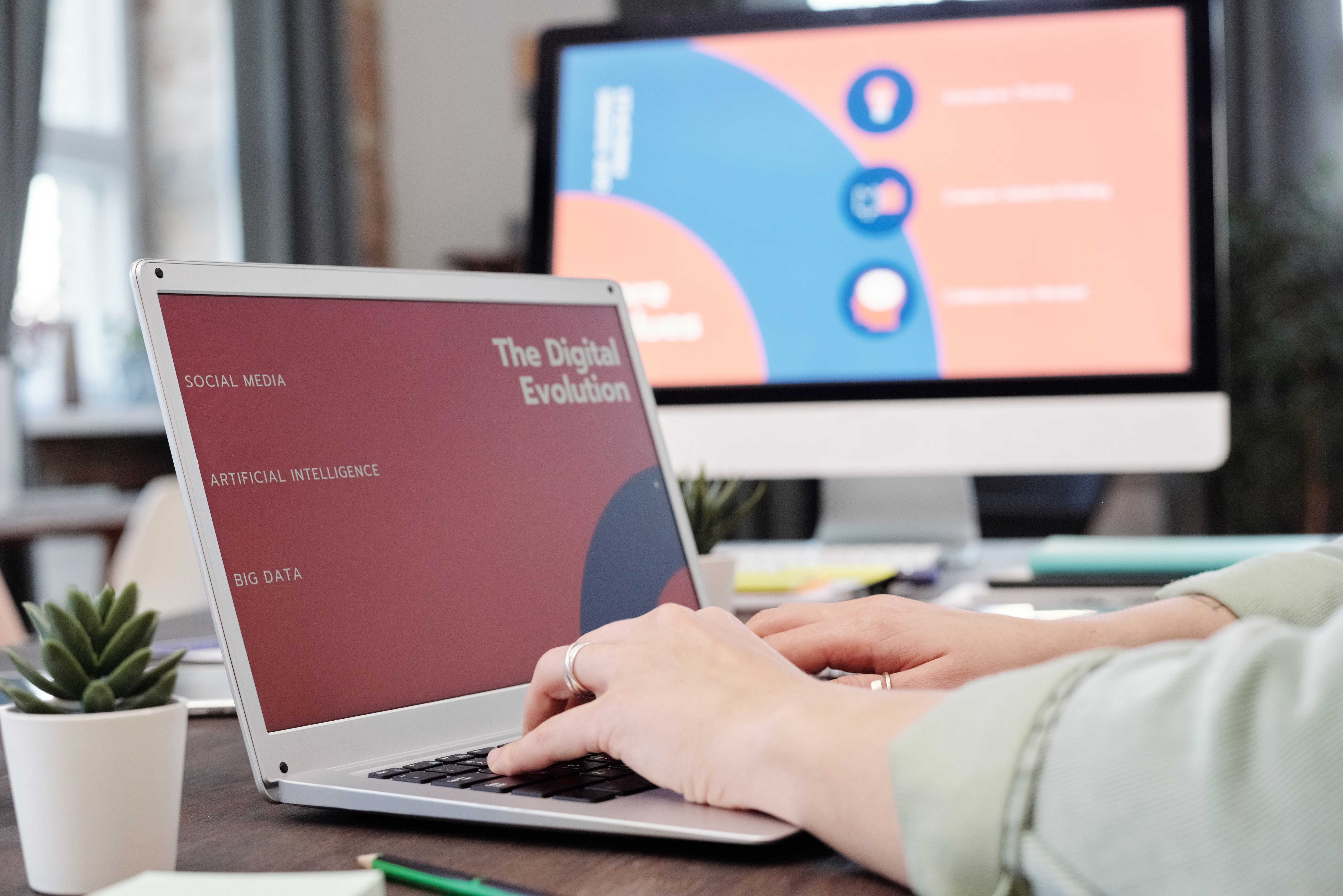
Organic traffic remains one of the most valuable channels for business growth because it brings people to your website through search, useful content, and brand discovery rather than only through paid promotion. A practical organic traffic strategy helps you build visibility over time, attract relevant visitors, and create more opportunities for leads, enquiries, and sales.
For Backlink Works Insights, the focus is not just on ranking pages, but on connecting SEO, content marketing, user experience, and conversion strategy. When these elements work together, your website becomes easier to find, easier to trust, and more effective at turning visitors into customers.
What Organic Traffic Strategy Really Means
Organic traffic strategy is the planned approach to attracting visitors without paying for each click. It includes search engine optimisation, content planning, internal linking, technical site improvements, brand visibility, and ongoing measurement. The goal is not simply to generate more visits, but to bring the right visitors to the right pages.
This matters because not all traffic is equally useful. A business that receives 1,000 unrelated visits will usually benefit less than a business that receives 200 highly relevant visits from people actively looking for its products or services. Organic traffic works best when it supports broader online marketing strategy, customer acquisition, and website growth.
Build Visibility Around Search Intent
Good organic traffic starts with understanding why people search. Search intent can be informational, commercial, or transactional. A blog post might answer a question, a service page might compare solutions, and a product page might help a buyer make a decision. Matching content to intent improves the chances of being useful and relevant.
Start by mapping the main topics your audience cares about. For example, a local accountant might create content around tax deadlines, bookkeeping tips, and company setup advice. An ecommerce brand may focus on product guides, comparison content, and category pages that target specific search terms. This is SEO-driven marketing in practice: useful content aligned with what people actually want.
When you are reviewing site structure or search performance, a free website SEO audit can help identify technical and content issues that may be limiting visibility.
Use Content Marketing to Attract and Educate
Content marketing is one of the most reliable ways to grow organic traffic because it gives search engines and users a reason to return to your site. Helpful articles, guides, FAQs, case studies, product explanations, and resource pages can all support long-term traffic growth when they are genuinely useful and well structured.
Focus on content that answers real questions and supports decision-making. For example, a SaaS company might publish implementation guides, while a local business might create location pages and service explainers. For ecommerce, category content and buying guides often work better than generic blog posts alone. The key is relevance, clarity, and consistency.
Strong content should also support conversion optimisation. Add clear calls to action, link to relevant services or products, and reduce friction with simple navigation. Organic visitors may not convert immediately, but the right content can move them further along the buying journey.
Make SEO and Website Experience Work Together
SEO is not only about keywords. It also includes site speed, mobile usability, page structure, internal links, metadata, and indexability. If your pages are difficult to crawl or slow to load, organic traffic growth may be limited even if your content is strong. Search visibility and user experience should be planned together.
It is worth checking how your site performs in search and on the page. Google Search Console can help you monitor indexing, search queries, and click performance, while analytics tools show how users behave once they arrive. You can explore Google Search Console to track how your site appears in search and where improvements may be needed.
Internal linking is especially useful. It helps visitors move between related pages, strengthens topic relevance, and supports the discovery of deeper content. For businesses building authority in competitive markets, a well-planned structure can make a meaningful difference over time.
Support Organic Growth with Paid and Social Channels
Organic traffic should not work in isolation. Google Ads, PPC campaigns, and social media marketing can support visibility while your organic presence grows. Paid search can test keywords and landing pages quickly, while organic content can capture demand more sustainably over time. Social media can also extend reach and drive returning visits, especially for brands with regular content output.
Email marketing is another useful support channel. If a visitor reads a guide but is not ready to buy, a newsletter or lead magnet can keep the relationship active. This is particularly helpful for consultants, agencies, B2B services, and ecommerce brands with repeat purchase potential. Organic traffic becomes more valuable when it is connected to a broader lead generation system.
For businesses building authority through content and links, understanding the backlink building process can help you strengthen search visibility without relying on short-term tactics.
Measure What Actually Supports Growth
Marketing analytics should guide your decisions, not just report past activity. Track which pages bring traffic, which queries drive visits, how long people stay, and where they exit. Also look at the pages that assist conversions, not only the last-click sources. Organic traffic often supports awareness first and revenue later.
Useful metrics include impressions, clicks, engagement, enquiries, sales, returning visitors, and conversion rate by page. If a page attracts traffic but no leads, it may need a clearer offer, better calls to action, or more relevant content. If a page converts well but receives limited traffic, it may be worth improving its SEO, internal links, or topic coverage.
Best practice is to review performance regularly and make small improvements. Organic growth is rarely instant, but it is more manageable when changes are measured and prioritised.
Common Mistakes to Avoid
- Creating content without clear search intent or audience needs.
- Publishing articles that are too broad, thin, or repetitive.
- Ignoring technical issues such as slow pages or poor mobile layout.
- Focusing on traffic numbers without considering leads or conversions.
- Using spammy link tactics or misleading promotional methods.
Conclusion
A practical organic traffic strategy is about building sustainable visibility through useful content, SEO, strong website structure, and consistent measurement. It works best when combined with conversion-focused pages, supporting channels like email and social, and a clear understanding of what your audience wants at each stage.
Whether you run a local business, ecommerce store, startup, or agency, organic growth is most effective when it is treated as part of a wider digital marketing system. With the right plan, you can improve business visibility, attract better-quality visitors, and create more opportunities for long-term growth.
Frequently Asked Questions
How long does organic traffic strategy take to work?
Results usually take time. Some improvements may appear in weeks, while stronger organic growth often depends on consistent SEO, content updates, and site improvements over several months.
Is organic traffic better than paid traffic?
Neither is automatically better. Organic traffic can be more sustainable, while paid traffic can deliver faster testing and visibility. Many businesses benefit from using both.
What kind of content helps organic growth most?
Content that solves problems, answers questions, and supports buying decisions usually performs best. This includes guides, service pages, FAQs, product pages, and comparison content.
How do I know if organic traffic is leading to business growth?
Track more than visits. Look at enquiries, sales, sign-ups, engagement, and assisted conversions to see whether traffic is contributing to business goals.
- Sponsored Ad -





