
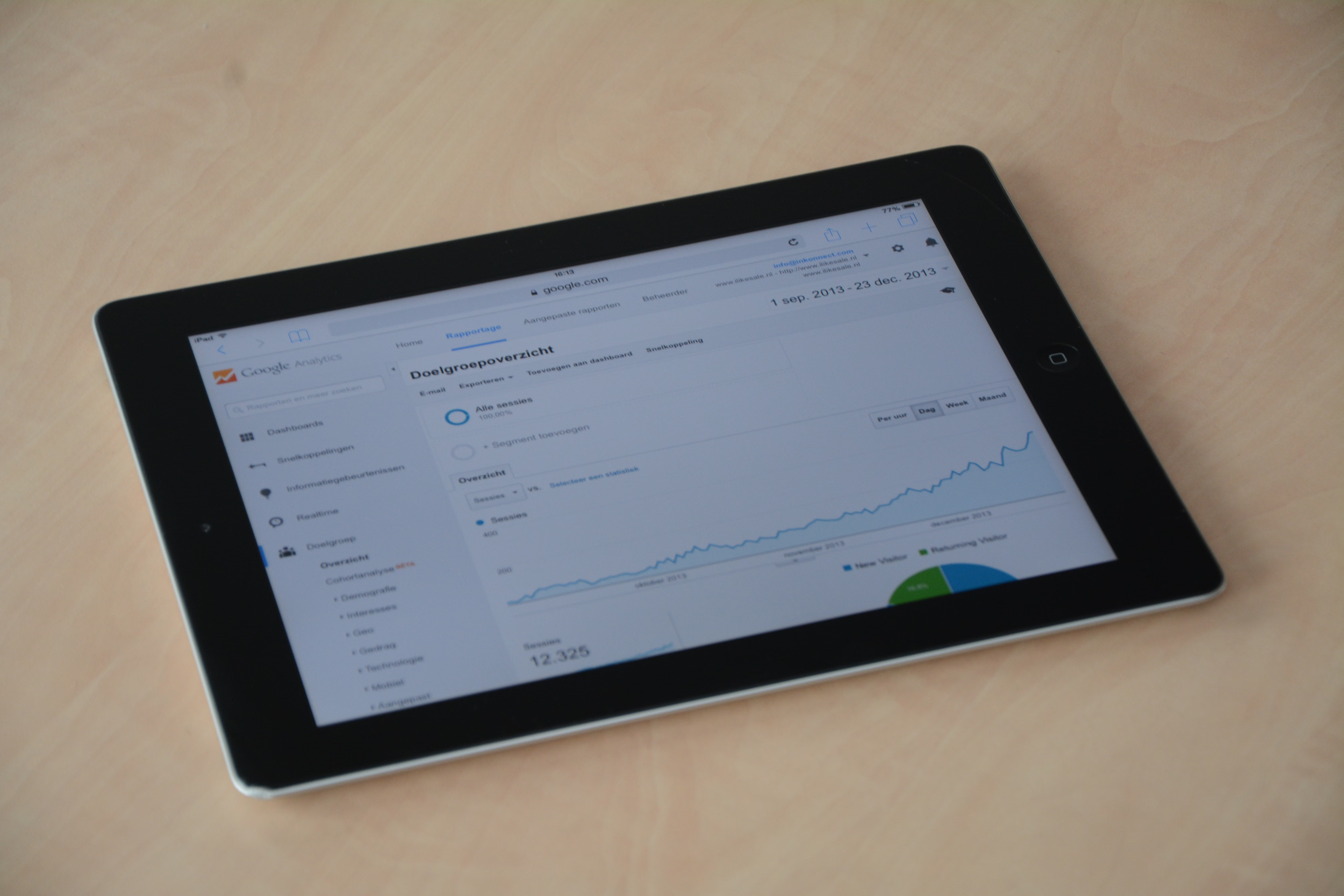
SEMrush is one of the most widely used SEO platforms for tracking rankings, auditing websites, researching keywords, and monitoring competitors. When SEO professionals talk about SEMrush SEO news, they are often referring to product changes, search data patterns, and the wider signals that influence how websites are found in search.
For website owners, the practical value is not in the headline itself, but in what it means for organic visibility, technical SEO, content planning, and reporting. This analysis looks at how SEMrush-style SEO updates and search trends can affect rankings, crawling, indexing, and site performance, and what to review next.
What SEMrush SEO news usually tells us about search performance
SEMrush news can relate to tool updates, data changes, or broader search observations. Even when there is no direct algorithm announcement, these signals help SEOs understand how search behaviour is shifting. That matters because rankings are influenced by more than keywords alone.
Search visibility can change when Google adjusts how it understands content quality, user intent, page speed, internal links, or structured data. SEMrush reports and feature updates can help teams spot these shifts earlier, especially when combined with Search Console and analytics data.
For businesses, the key takeaway is to treat SEO news as a diagnostic prompt. If organic traffic changes, the question is not only “what happened?” but also “what technical, content, or authority signals may be contributing?”
Why ranking changes are rarely caused by one factor
Ranking movement is often the result of several issues happening together. A page may lose positions because a competitor improved content depth, a crawl problem blocked important pages, or the site slowed down on mobile. Search engines look at overall page quality and site reliability, not just a single optimisation.
This is why SEMrush data is most useful when it supports a wider SEO audit. Keyword tracking can show which pages moved, but technical checks reveal whether those pages are still crawlable, indexable, and internally linked. Content reviews then show whether the page still matches the search intent behind the query.
If visibility drops, avoid making large changes too quickly. Instead, compare ranking data with server logs, index coverage, page experience metrics, and recent content edits. That approach gives a clearer view of the problem.
Technical SEO developments that matter most
Technical SEO continues to shape how search engines access and evaluate content. Important areas include crawl efficiency, canonical tags, robots directives, sitemap hygiene, redirects, JavaScript rendering, and structured data. If any of these break, rankings may be affected even when content is strong.
SEMrush site audit tools are useful here because they can highlight broken links, duplicate content, missing metadata, and slow pages. Those issues do not always cause immediate ranking drops, but they can reduce search visibility over time by making the site harder to process.
Website performance also matters. Faster pages usually improve user experience, and performance can be especially important for ecommerce websites, mobile-first audiences, and content-heavy sites. Google’s own guidance on search quality and crawlability is a useful reference point for teams checking technical foundations: Google Search documentation.
Content SEO changes: quality, intent, and freshness
Search updates often place more weight on how well content answers the user’s question. That means thin pages, generic templates, and over-optimised copy tend to perform less reliably than useful, well-structured pages that match intent. SEMrush keyword and topic tools can help identify gaps, but the content still needs to be genuinely helpful.
Content SEO is also becoming more connected to freshness and completeness. Pages should be reviewed for outdated examples, missing FAQs, broken references, and weak internal links. For blog publishers, this is especially important when traffic depends on informational queries that shift as search behaviour changes.
One useful next step is to compare your top pages with the queries they are actually ranking for in Search Console. If the intent has changed, the content should be updated accordingly rather than simply repeated with more keywords.
AI search, local SEO, ecommerce, and WordPress considerations
AI search features and answer-based results are changing how users discover information. That does not remove the need for traditional SEO, but it does place more value on clear page structure, entity relevance, and content that is easy to summarise. Well-organised pages are more likely to support multiple search experiences, including classic blue links and AI-assisted discovery.
For local SEO, accurate location pages, business details, reviews, and internal location links remain important. Search visibility trends often show that local intent is highly sensitive to consistency across the site and external profiles.
Ecommerce sites should focus on product page uniqueness, category structure, filtered navigation, and index control. Duplicate content and faceted URL issues can waste crawl resources, while poor category hierarchy can weaken discovery. WordPress users should also check theme scripts, plugin bloat, and index settings, since these can affect load speed and crawl behaviour. A free website review can help identify some of these issues early: free website SEO audit.
What SEO teams should do next
When SEMrush news, search updates, or ranking changes appear to affect a site, the best response is structured review rather than guesswork. Start with your highest-value pages, then move through technical health, content relevance, and internal linking.
Use Search Console to check impressions, clicks, indexing status, and page-level query changes. Then confirm whether there were site changes, template updates, plugin updates, or speed regressions that could explain the shift. Teams managing larger sites may also benefit from reviewing how links support crawl paths and authority flow.
If you are refining an internal SEO process, it can help to compare technical findings with a broader link strategy framework such as the ultimate guide to backlink building, especially when content performance depends on both relevance and site authority.
Key takeaways
SEMrush SEO news matters most when it helps you interpret ranking movement, technical issues, and search visibility changes in context. The useful question is not whether an update sounds important, but whether it changes how your site is crawled, indexed, or understood.
In practice, that means keeping a close eye on content quality, page speed, internal links, structured data, and Search Console data. Teams that combine tool insights with technical checks and content reviews are better placed to respond calmly and improve site performance over time.
Conclusion
SEMrush-related SEO news should be treated as a signal, not a shortcut. Whether the issue is ranking volatility, AI search behaviour, technical crawl errors, or content performance changes, the goal is the same: understand what search engines may be seeing and make measured improvements.
For Backlink Works Insights readers, the most practical approach is to use SEO news to guide audits, prioritise fixes, and keep content aligned with user intent. That combination offers a stronger foundation for visibility than chasing isolated ranking changes.
Frequently Asked Questions
How does SEMrush help with ranking changes?
It helps track keyword movements, audit technical issues, and compare your site with competitors so you can investigate likely causes.
Can SEO tool updates affect rankings directly?
No. Tool updates do not change rankings themselves, but they can improve how you monitor and respond to SEO issues.
What technical SEO issues are most worth checking first?
Start with crawlability, indexing, broken links, duplicate content, redirects, metadata, and page speed.
Should content be updated after every search fluctuation?
Not always. First check whether the change is temporary, then review intent, quality, and technical health before making edits.
- Sponsored Ad -





