
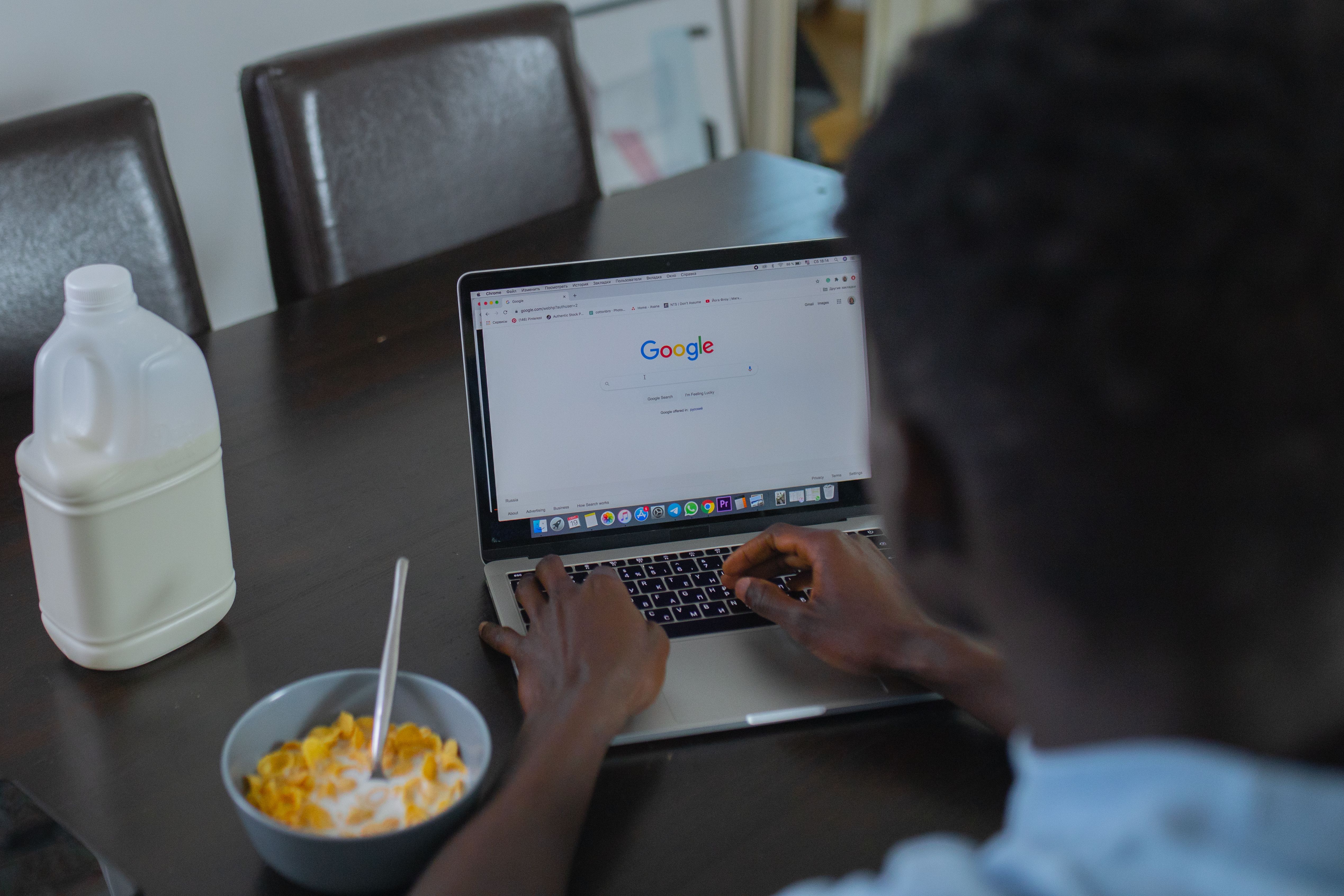
Google rankings are influenced by many signals, but the basics of SEO are still the foundation of search visibility. If you want more organic traffic, the starting point is not tricks or shortcuts; it is making your website easier for Google to discover, understand, and trust.
This practical guide explains the essentials of SEO in plain language. Whether you run a blog, manage a business site, or work in an agency, the goal is the same: improve how your pages appear in search results and make it easier for the right people to find you.
What SEO Basics Actually Mean
Search engine optimisation is the process of improving your website so it has a better chance of appearing for relevant searches. In practice, that means helping search engines crawl your pages, understand your content, and match it to user intent.
The basics usually fall into three areas: technical SEO, on-page SEO, and content SEO. Technical SEO helps search engines access your site. On-page SEO helps them understand each page. Content SEO helps your pages answer real questions clearly and usefully.
How Google Rankings Work in Simple Terms
Google tries to show the most relevant, helpful, and reliable pages for a search query. It does not rank pages because they repeat keywords more often. It looks at many signals, including content quality, page experience, internal linking, mobile usability, and whether a page matches the search intent.
That is why SEO should not be treated as one single tactic. A page may be well written, but if it loads slowly, is hard to crawl, or does not answer the searcher’s query, it may struggle to perform well in search visibility.
For a reliable starting point, Google’s own SEO Starter Guide is a useful reference for website owners who want to understand the fundamentals from the source.
On-Page SEO and Content Quality
On-page SEO is about making each page clear to both users and search engines. Start with the page title, heading structure, and opening paragraph. These should explain the topic naturally and signal what the page is about without stuffing keywords into every sentence.
Keyword research is useful here, but it should be used to understand language and intent, not to force awkward phrases into content. A good page answers the searcher’s question better than competing pages. It should be easy to scan, well structured, and written in plain English.
Search intent matters
Before writing, ask what the searcher actually wants. Are they looking for a definition, a comparison, a how-to guide, or a product page? If your page format does not match the intent, ranking opportunities can be limited even if the content is well written.
Useful page elements
Strong on-page SEO usually includes descriptive title tags, clear meta descriptions, relevant headings, concise paragraphs, and supportive internal links. Images should also be descriptive, with sensible file names and alt text where helpful.
Technical SEO and Website Visibility
Technical SEO helps search engines find and interpret your content efficiently. If pages are blocked, broken, duplicate, or buried too deeply in the site structure, they may not perform as well as they should.
Key areas to check include crawlability, indexing, mobile usability, page speed, and site structure. A clean XML sitemap, a sensible robots.txt file, and logical internal linking all make it easier for Google to discover important pages.
Tools such as Google Search Console are especially helpful for checking indexing status, coverage issues, and performance data. They do not improve rankings by themselves, but they show you where problems may be holding a site back.
If you suspect technical issues, a free website SEO audit can help identify crawlability gaps, weak internal links, or page-level problems that need attention.
Checklist for Better Search Visibility
Use this practical checklist as a basic SEO review before publishing or refreshing a page:
- Choose one clear topic and match the page to search intent.
- Write a title tag that is specific and readable.
- Use headings to break content into useful sections.
- Add internal links to related pages where they help readers.
- Check that the page can be crawled and indexed.
- Improve page speed and mobile usability where possible.
- Use images and media only when they support the content.
- Review performance in Search Console and analytics regularly.
Common SEO Mistakes
Many ranking issues come from simple mistakes rather than complex algorithm changes. One common problem is writing for search engines instead of people, which often leads to awkward wording and thin content. Another is publishing pages without a clear purpose or without supporting links from the rest of the site.
Other frequent mistakes include duplicate content, weak internal linking, slow pages, missing title tags, and ignoring mobile users. For WordPress sites, using too many plugins or an overly complex theme can also create performance and crawl issues.
It is also a mistake to expect quick results. SEO takes time because Google needs to crawl, assess, and compare pages before changes show in search visibility. The best approach is consistent improvement rather than short-term manipulation.
Best Practices for Long-Term SEO
Good SEO is usually the result of many small improvements working together. Focus on creating useful content, maintaining a logical site structure, and keeping technical issues under control. Make your pages easy to read, easy to navigate, and easy to trust.
Review performance regularly using analytics and search data. Update older pages when information changes, remove or improve weak content, and keep important pages internally linked from relevant sections of the site. If you want to learn more about broader SEO support and sustainable visibility, Backlink Works is a practical SEO learning resource for ongoing reference.
For content planning, tools such as page speed checkers, keyword research platforms, and schema validation tools can be useful. The key is to use them as guides, not as guarantees. Tools show signals; they do not replace strategy, judgement, or high-quality content.
Conclusion
SEO basics are not glamorous, but they are essential. If your website is technically sound, your content is genuinely useful, and your pages are organised around real search intent, you give Google much better reasons to surface them in relevant results.
Start with the fundamentals: improve crawlability, write clearly, structure content well, and monitor performance over time. That practical approach is the most reliable path to stronger search visibility and more consistent organic traffic growth.
Frequently Asked Questions
How long does SEO take to show results?
SEO usually takes time because search engines need to crawl, re-evaluate, and compare pages before changes affect visibility. The timeline varies by competition, site quality, and how much work is needed. Focus on steady improvements rather than expecting instant movement in rankings.
Do I need technical SEO if I already publish good content?
Yes. Good content is important, but technical SEO helps search engines access and interpret that content properly. If pages are slow, hard to crawl, or poorly structured, even strong content may underperform. Technical basics support everything else you publish.
What is the most important SEO factor for beginners?
For beginners, the most important factor is matching search intent with useful content. If your page answers the query clearly, uses a sensible structure, and is easy to navigate, you are building a strong foundation. From there, technical improvements and internal links can strengthen visibility.
Should I use SEO tools for every page?
SEO tools are helpful for audits, keyword research, indexing checks, and performance tracking, but they should not dictate every decision. Use them to spot issues and support your judgement. The final goal is always a better experience for real users, not just a better score in a tool.
- Sponsored Ad -





