
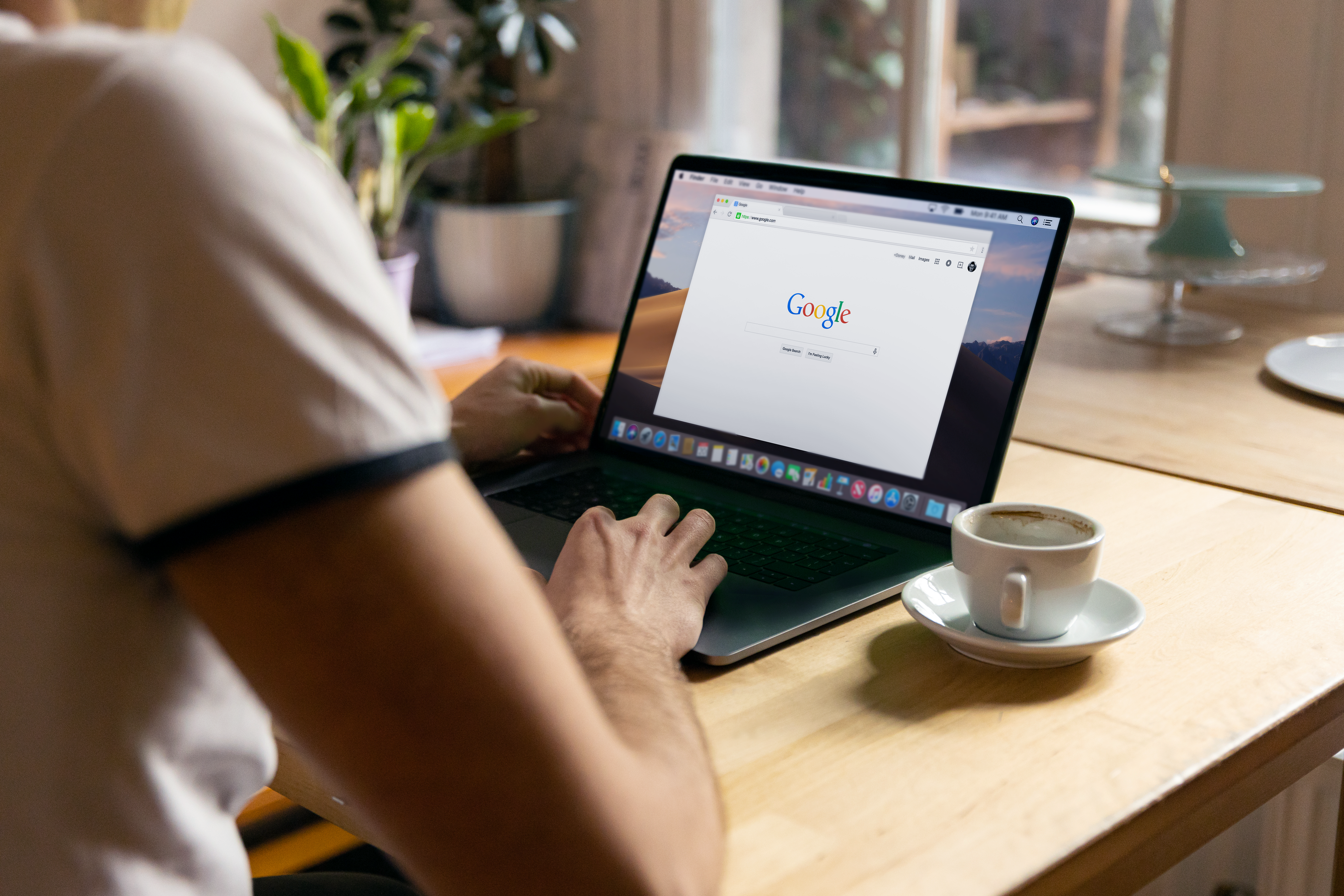
Zero-click searches are changing how people find information on Google. Instead of clicking through to a website, searchers often get the answer directly on the results page through featured snippets, knowledge panels, maps, instant answers, and other search features.
For website owners, bloggers, marketers, and SEO professionals, this shift matters because visibility is no longer measured only by clicks. It is now also about appearing where searchers first look, building trust in the results, and attracting the right traffic from the searches that still lead to visits.
What Zero-Click Searches Are
A zero-click search happens when a user gets what they need on the search engine results page without visiting another website. This can include quick answers, local business details, currency conversions, definitions, weather, or AI-style summaries that save the user from clicking away.
This does not mean organic search is unimportant. It means search behaviour is more varied. Some queries are best answered instantly, while others still need deeper content, product pages, tools, or expert guidance. Understanding the difference is essential for modern SEO.
Why Zero-Click Searches Are Rising
Search engines are trying to reduce friction. If a user types a simple question, Google may show a direct answer, a map pack, a calculator, or a concise summary. This helps users move faster, but it also changes how traffic is distributed across websites.
Several factors are driving the rise of zero-click searches:
- More mobile searches, where quick answers are more convenient.
- More conversational and question-based queries.
- Search results that include local packs, featured snippets, and structured data enhancements.
- Search engines focusing on user intent rather than only listing blue links.
For site owners, the key point is simple: if your content only targets basic facts, you may lose clicks to the results page itself. If your content goes beyond the obvious answer, you have a better chance of attracting meaningful visits.
How Zero-Click Searches Affect SEO
Zero-click searches can reduce the number of clicks for some queries, especially informational ones with simple answers. That can make organic traffic growth look harder, even when visibility is improving. In many cases, a page may appear more often in search but receive fewer visits because the answer is displayed before the click.
This is why SEO reporting should look beyond traffic alone. Impressions, average position, click-through rate, branded search growth, local visibility, and assisted conversions all help explain performance. Google Search Console is especially useful here because it shows which queries trigger impressions and where clicks are being lost or won. You can also review Google’s own guidance in the SEO Starter Guide.
For businesses and agencies, the real question is not “How do we avoid zero-click searches?” but “How do we benefit from them while still earning valuable traffic?”
SEO Tactics That Still Matter
Zero-click searches do not replace core SEO fundamentals. They make them more important. Clear page structure, helpful content, crawlability, indexing, internal linking, and strong on-page relevance all help search engines understand when your page deserves to appear.
Match search intent properly
Keyword research should go beyond search volume. Focus on what the searcher wants. A query like “what is schema markup” may be answered directly, but “how to add schema to WordPress product pages” usually needs a fuller explanation, examples, and practical steps.
Use structured data where appropriate
Schema markup can help search engines interpret your content more clearly and may support richer search features. It is not a guarantee of enhanced results, but it can improve clarity. Tools such as Google’s Rich Results Test are helpful for checking whether your structured data is valid.
Write content that goes beyond the quick answer
If a searcher can get the answer from one sentence, your page should offer more value. Add context, comparisons, examples, next steps, or decision support. That approach is useful for blogs, service pages, ecommerce categories, and local landing pages alike.
Strengthen internal linking and site structure
Internal links help users and crawlers move through your site and discover related content. They also guide visitors from quick informational content to pages that support conversion, such as service pages, product pages, or contact pages.
If you are reviewing technical or on-page issues that affect visibility, a free website SEO audit can be a practical starting point for spotting gaps in indexing, structure, or page optimisation.
Best Practices for Winning Value from Zero-Click Searches
- Optimise for clarity, not just rankings.
- Use concise definitions, but follow them with useful detail.
- Format content with short paragraphs, lists, and descriptive headings.
- Build pages around intent clusters instead of single keywords.
- Track Search Console impressions and clicks together.
- Make sure pages load quickly and work well on mobile devices.
- Keep content fresh when queries change often, such as local or seasonal topics.
- Use analytics to identify pages that attract visibility but need stronger calls to action.
For those learning SEO in a practical way, Backlink Works can be a useful SEO learning resource alongside official guidance and hands-on testing. It is best used as a support tool, not as a shortcut.
Common Mistakes to Avoid
- Chasing clicks only and ignoring impressions or visibility.
- Targeting keywords that only need a one-line answer.
- Publishing thin content that repeats the same basic definition.
- Forgetting mobile optimisation and page speed.
- Using schema markup incorrectly or without checking validity.
- Not linking related pages together, which weakens topical depth.
- Measuring success with traffic alone instead of broader search performance.
Another common mistake is assuming zero-click searches are always bad. In reality, they can increase awareness, especially for brands, local businesses, and specialist publishers. A user may first see your content in the results, then return later when they are ready to compare options or make a decision.
How Different Websites Should Respond
Bloggers and publishers should focus on originality, depth, and perspectives that cannot be fully copied into a search snippet. Businesses should ensure service pages answer practical questions while still encouraging enquiries. Ecommerce sites should strengthen category pages, product descriptions, and internal links so they remain useful beyond basic product facts.
Local businesses should pay close attention to map visibility, contact details, opening hours, reviews, and location pages, because these are often affected by zero-click behaviour. WordPress site owners can simplify this process by using trusted SEO plugins carefully, but they should still check content quality, indexing, and crawlability rather than relying on settings alone.
When zero-click behaviour is making it harder to understand performance, a broader SEO support perspective can help. Backlink Works may be useful when you want a structured way to think about organic visibility, but it should complement, not replace, your own analytics and optimisation work.
Conclusion
The rise of zero-click searches reflects how search engines now answer more questions directly on the results page. For SEO, that means success is no longer defined only by clicks. It also includes impressions, visibility, brand presence, and the ability to attract users when they need more than a quick answer.
The best response is to create useful content that matches intent, supports crawlability and indexing, uses structured data where relevant, and gives people a clear reason to visit your site. That approach helps website owners, bloggers, marketers, businesses, and agencies adapt to search behaviour without losing sight of long-term organic growth.
Frequently Asked Questions
What is a zero-click search in SEO?
A zero-click search is when the search engine shows the answer directly on the results page, so the user does not need to click through to a website. This can happen with featured snippets, local packs, calculators, definitions, and other instant-answer features.
Do zero-click searches reduce organic traffic?
They can reduce clicks for some query types, especially simple informational searches. However, they do not affect every keyword in the same way. Many searches still lead to website visits, especially when users need depth, comparison, service details, or a purchase decision.
How can I optimise content for zero-click searches?
Focus on clear answers, strong headings, structured data, and content that goes beyond the basic definition. Aim to satisfy the quick question while also offering context, practical steps, and related information that encourages users to click for more detail.
Are zero-click searches bad for SEO?
Not necessarily. They can make some pages receive fewer clicks, but they may also increase visibility, brand recognition, and trust. The main goal is to understand which queries deserve visibility on the results page and which ones should lead users deeper into your site.
- Sponsored Ad -





