
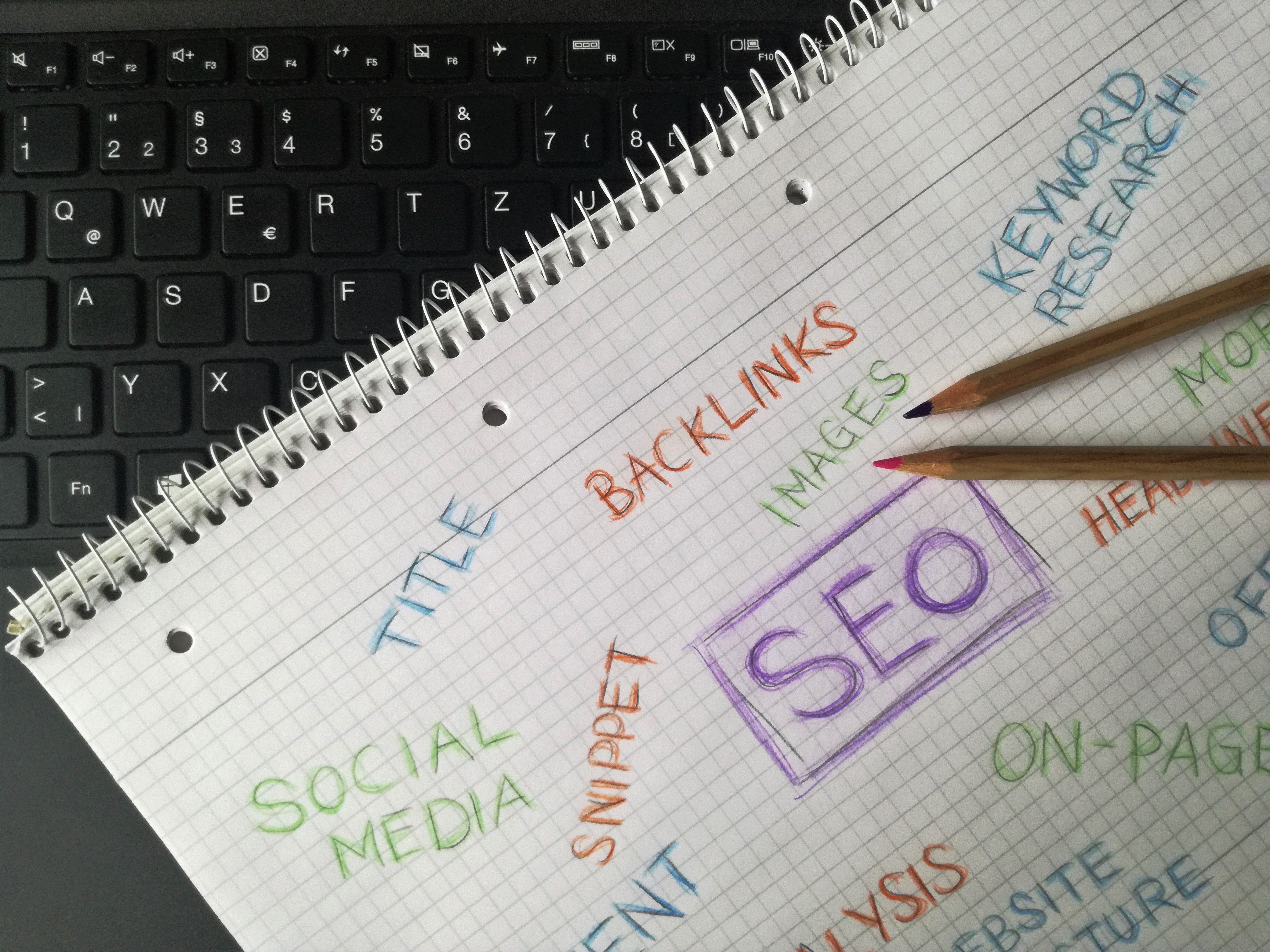
Safe link building in the USA means earning or placing backlinks in a way that supports long-term visibility without crossing into spammy or risky SEO tactics. For website owners, bloggers, digital marketers, and agencies, the goal is not just to collect links, but to build a backlink profile that looks natural, relevant, and trustworthy to search engines.
One of the most important parts of that process is understanding the difference between dofollow and nofollow backlinks. Both can play a role in organic growth, but they behave differently, and using them wisely matters when you are building links for US-based audiences and competitive search results.
What Dofollow and Nofollow Backlinks Mean
A dofollow backlink is a link that can pass authority signals from one page to another. In simple terms, it tells search engines that the linked page may be worth discovering and considering for ranking purposes. This is why dofollow links are often the most sought after in SEO.
A nofollow backlink usually includes a rel=”nofollow” attribute, which tells search engines not to pass ranking credit in the same way. That does not make it useless. Nofollow links can still send referral traffic, build visibility, support brand discovery, and help make your backlink profile look more natural.
For a balanced strategy, many site owners aim for a healthy mix of both. A profile made only of dofollow links can look unnatural, while a profile with only nofollow links may not provide enough ranking support. The right mix depends on your site, niche, and link sources.
Why Safe Link Building Matters in the USA
The US market is highly competitive, which makes link building attractive to businesses trying to improve organic rankings. That competition also increases the risk of shortcuts, poor-quality placements, and unsafe link schemes. Safe link building helps you avoid tactics that can lead to wasted budget or search engine trust issues.
In the USA, businesses often need links from relevant local publishers, industry blogs, associations, directories, and editorial content. Links from unrelated or low-quality sites may do little for trust or visibility. If you are new to the process, a complete backlink building guide can help you understand the basics before you start outreach or content placement.
Safe link building is especially important for agencies managing multiple clients. A strong process helps avoid risky placements, keeps anchor text natural, and supports sustainable SEO progress instead of short-lived gains.
How to Evaluate Backlink Quality
Not all backlinks are equally valuable. A good backlink is usually relevant, placed on a real page with meaningful content, and earned or secured in a way that makes sense for users. Quality matters more than sheer volume.
When reviewing a possible link source, consider the following:
- Topical relevance to your business, niche, or audience
- Clear editorial context around the link
- Natural anchor text that fits the sentence
- A real website with useful content, not a thin link farm
- Reasonable outbound linking patterns
- Potential referral traffic, not just SEO value
Authority signals can help, but they should not be the only filter. A smaller, relevant site in your industry may be more useful than a large but unrelated website. For businesses that want a practical reference point, high DR backlinks can be part of the conversation, but relevance and placement quality should still come first.
Safe Practices for Dofollow and Nofollow Links
Safe link building is about earning links that make sense for users, search engines, and your brand. The process should feel natural, not forced. If you are buying or arranging placements, the safest approach is to focus on editorial relevance and clear value.
One useful reference for safer execution is the backlink building process, which shows how links can be developed in a structured and controlled way. If you are buying links or reviewing vendors, it also helps to understand Google-safe backlinks and why cautious selection matters.
Good practices include:
- Using branded or natural anchor text where possible
- Mixing dofollow and nofollow links instead of chasing only one type
- Keeping link placement relevant to the content
- Prioritising editorial context over exact-match keyword stuffing
- Building links steadily rather than all at once
- Reviewing the site’s overall quality before placement
Backlink Works can be useful here as a backlink building and SEO learning resource when you want to compare approaches and learn how safer link acquisition fits into a broader SEO plan.
Backlink Indexing and Discovery
Even a good backlink may not help much if search engines do not discover it properly. That is why backlink indexing matters. Indexing is not about forcing rankings; it is about helping search engines find and process your links more reliably.
This is particularly relevant for newer sites, deep pages, and links placed on pages that are not strongly linked internally. If you want to understand this area better, backlink indexing can help explain how links are discovered. For advanced crawl support and deeper discovery issues, deep-level backlink indexing may be useful in more complex link structures.
That said, indexing support should never replace quality. A weak, irrelevant, or spammy backlink is still a weak backlink, even if it gets indexed. The real goal is to combine discoverability with strong link quality.
Common Mistakes to Avoid
Many backlink problems happen when site owners focus too much on quantity or shortcut tactics. Avoiding these mistakes can protect your site and make your link building more effective over time.
- Buying large numbers of irrelevant links
- Using the same anchor text repeatedly
- Ignoring nofollow links completely
- Choosing websites with thin, duplicate, or low-value content
- Building links too quickly without a natural pattern
- Assuming backlinks alone will fix weak content or poor on-page SEO
It is also a mistake to judge a backlink only by whether it is dofollow. A nofollow link from a respected US publication can still be valuable for brand trust, traffic, and diversity. If you need help checking broader SEO issues alongside link building, a free website SEO audit can highlight technical or on-page problems that limit the impact of your backlinks.
Practical Checklist for Safe Backlink Building
Use this checklist before placing or purchasing any backlink in the USA market:
- Is the site relevant to my niche or audience?
- Does the page have real content and editorial value?
- Does the anchor text sound natural in context?
- Is the link likely to send referral traffic as well as SEO value?
- Does the site look trustworthy, active, and maintained?
- Is the mix of dofollow and nofollow links balanced?
- Would this link make sense to a human reader?
If the answer to most of those questions is yes, the link is more likely to fit a safe, long-term SEO strategy. For additional learning, Backlink Works also has a useful link building FAQ that covers common backlink questions in a practical way.
Conclusion
Safe link building in the USA is not about chasing every possible dofollow link or treating nofollow links as worthless. It is about building a backlink profile that looks natural, supports real users, and fits your site’s topic and audience. When you focus on relevance, quality, and steady growth, backlinks can support organic visibility in a safer and more sustainable way.
Whether you are a beginner, a business owner, or an SEO professional, the smartest approach is to treat backlinks as part of a wider SEO strategy. Strong content, solid on-page optimisation, and careful link building work best together. Backlinks are important, but they are most effective when earned and used responsibly.
Frequently Asked Questions
What is the main difference between dofollow and nofollow backlinks?
Dofollow backlinks can pass ranking signals more directly, while nofollow backlinks usually do not pass the same level of authority. However, nofollow links can still be useful for traffic, brand exposure, and a natural-looking backlink profile. A healthy mix often makes more sense than relying on one type only.
Are nofollow backlinks worth getting for SEO?
Yes, nofollow backlinks can still be worthwhile. They may bring referral traffic, increase brand awareness, and make your backlink profile appear more natural. They are not a direct replacement for dofollow links, but they can support your wider SEO and marketing efforts in a meaningful way.
How can I tell if a backlink is safe?
A safe backlink usually comes from a relevant, real website with useful content and sensible editorial context. The anchor text should feel natural, and the placement should make sense for readers. If the source looks spammy, irrelevant, or manipulative, it is better to avoid it.
Do backlinks alone improve rankings?
No, backlinks alone do not guarantee rankings. They work best when combined with strong content, technical health, useful internal linking, and a good user experience. Search engines look at many signals, so backlinks should be part of a broader SEO strategy rather than the only focus.
- Sponsored Ad -





