
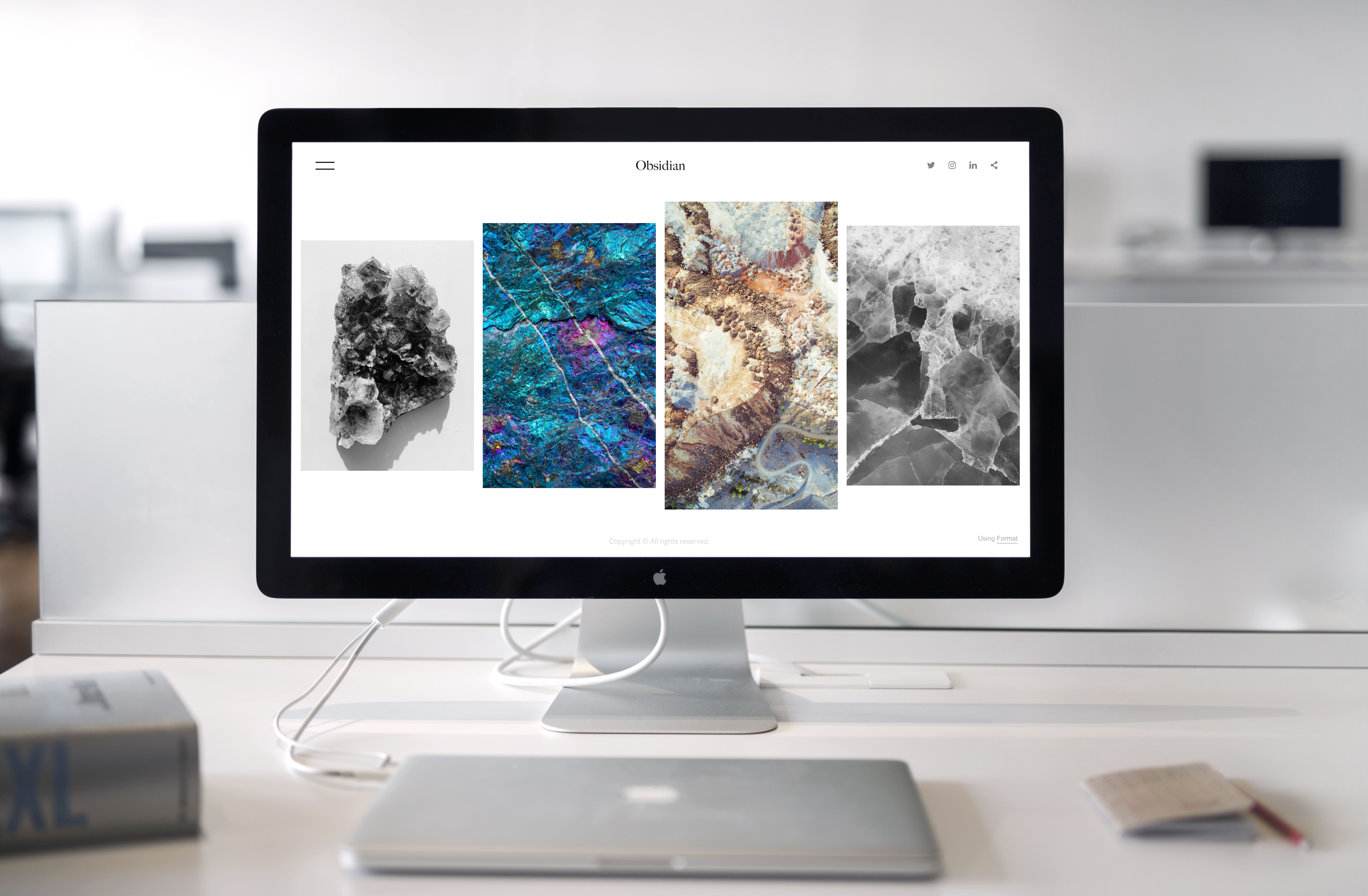
For local businesses, website design is more than how a site looks. It affects how easily people can find information, trust the brand, and take the next step. A well-structured website can support SEO, improve user experience, and help visitors move from browsing to enquiring with less friction.
SEO-friendly design does not mean forcing keywords into every page or making a site look overly technical. It means building a website that search engines can crawl easily and people can use quickly. That includes clear navigation, mobile-first layouts, fast loading pages, readable content, and a sensible structure for service pages, landing pages, and contact paths.
What SEO-Friendly Local Business Website Design Means
SEO-friendly website design brings together visibility and usability. For local businesses, this means your website should clearly explain who you are, what you offer, where you work, and how someone can get in touch. Search engines need a logical structure, and visitors need a simple route to the right page.
This approach supports business websites, service providers, consultants, shops, trades, clinics, and other location-based organisations. It also helps WordPress website design and ecommerce website design by making content easier to organise and understand. Good design should reduce confusion, not add to it.
In practice, this means using clear page hierarchies, descriptive headings, internal links, and content blocks that answer real customer questions. It also means designing for intent: someone looking for a local service page, product page, or booking page should not have to hunt for key details.
Build a Structure That Helps Search Engines and Users
Website structure is one of the most important parts of local business design. A flat, sensible structure helps search engines understand the relationship between pages and helps visitors find information without repeated clicking.
Start with core pages such as Home, About, Services, Individual Service Pages, Locations if relevant, Contact, and a Blog or Advice section. For ecommerce, organise product categories and product pages in a way that mirrors how people search and browse. Avoid cramming too many topics into a single page when separate pages would be clearer.
Navigation should be simple and predictable. Use labels that match the language customers use, such as “Website Design”, “Shop”, “Pricing”, or “Contact”. If you need to guide visitors deeper, add internal links within the page copy rather than relying only on menus. For broader SEO planning, it can help to review a free website SEO audit to spot structural gaps before redesigning.
Design for Mobile-First Behaviour and Responsive Layouts
Most local business traffic now happens on mobile devices, so mobile-first design is not optional. A responsive site adjusts to different screen sizes without making users pinch, zoom, or scroll sideways. This is especially important for service businesses, restaurants, salons, trades, and appointment-based websites where users often visit while on the move.
Mobile-first design affects more than visual layout. Buttons need enough space to tap comfortably. Forms should be short and easy to complete. Phone numbers, addresses, opening hours, and calls to action should be visible without clutter. If visitors struggle on mobile, they are less likely to stay long enough to enquire.
Think about priority order. On smaller screens, show the most useful information first: what you do, where you work, how to contact you, and why someone should trust you. Support that with concise copy and clear page sections, not long blocks of text.
Use UX and UI to Make Pages Easier to Read and Act On
User experience and user interface design work together. UX is about how the site feels to use. UI is about how it looks and behaves. For local business websites, both should make information easier to scan and actions easier to complete.
Good content layout matters. Break pages into short sections with meaningful headings, bullet lists where needed, and enough white space to avoid visual overload. Keep the most important call to action consistent, whether that is “Book a call”, “Request a quote”, or “Get in touch”.
Trust also plays a major role in conversions. Clear contact details, professional photography, service descriptions, testimonials where genuine, and well-written FAQs can all help. That said, conversions depend on the quality of traffic, the clarity of the offer, page copy, and ongoing testing, not design alone.
For inspiration on mobile and responsive principles, Google’s design learning resources are a useful starting point for practical guidance.
Improve Page Speed and Core Web Vitals
Website performance affects both user experience and search visibility. Slow-loading pages can make visitors leave before they see your offer, especially on mobile connections. Core Web Vitals are useful signals to understand how a page performs in the real world, but they should be treated as part of a wider performance strategy rather than a standalone target.
Speed improvements often begin with design choices. Large image files, too many scripts, heavy sliders, and oversized page builders can all slow things down. A clean design with fewer unnecessary elements often performs better and is easier to maintain.
For WordPress website design, choose lightweight themes, optimise images, limit plugins, and test your pages regularly. For ecommerce sites, pay extra attention to product page loading, category page filters, and checkout simplicity. Performance should support the buying journey, not interrupt it.
Design Landing Pages, Service Pages and Product Pages for Clarity
Different page types have different jobs. A homepage introduces the business. A service page explains a specific offer. A landing page supports a campaign or enquiry goal. A product page should help a visitor compare, understand, and decide.
Each page should answer the questions a user is likely to have at that stage. For example, a service page might include the service scope, who it is for, benefits, FAQs, and a clear next step. A product page might include features, pricing, delivery details, and reassurance about returns or support.
A practical layout often works best: headline, short introduction, key benefits, supporting details, trust signals, and a clear action at the end. If your site has many pages, keep a consistent structure so users know where to look. Good internal linking can also guide visitors towards related services and help search engines understand page relationships.
Best Practices for Local Business Website Design
Use this checklist when planning or reviewing your site:
- Make the main navigation simple and descriptive.
- Use one clear purpose for each page.
- Keep content easy to scan with headings and short paragraphs.
- Design for mobile first, then refine for larger screens.
- Optimise images and reduce unnecessary scripts.
- Make contact details and calls to action easy to find.
- Use internal links to support related content and services.
- Check accessibility, including contrast, labels, and keyboard use.
Local business sites often benefit from regular review rather than one large redesign every few years. Small improvements to layout, copy, and performance can make a noticeable difference to usability over time. If you want to improve visibility alongside design, Backlink Works also publishes SEO education and website growth resources that can support your planning.
Conclusion
SEO-friendly local business website design is about building a site that is easy to find, easy to use, and easy to trust. When structure, speed, mobile usability, and content layout work together, visitors can move through the site with less friction and more confidence.
There is no guarantee that better design will automatically deliver more rankings or conversions, but it does create stronger foundations for SEO and user experience. For local businesses, that foundation matters because it supports visibility, credibility, and the chances of turning visits into enquiries or sales.
Frequently Asked Questions
What makes a local business website SEO-friendly?
It uses clear structure, descriptive content, mobile-friendly design, fast loading pages, and internal links that help both users and search engines navigate the site.
How does website design affect conversions?
Design affects how easily visitors understand your offer, trust your business, and complete actions such as contacting you or making a purchase. Results still depend on traffic quality and page content.
Is mobile-first design important for local businesses?
Yes. Many visitors use phones to search for local services, compare options, or call directly. A mobile-first layout makes those actions easier.
Should I use separate pages for each service?
Usually, yes. Separate service pages give each topic more clarity and make it easier to match specific search intent, as long as the pages are genuinely useful and not repetitive.
- Sponsored Ad -





