
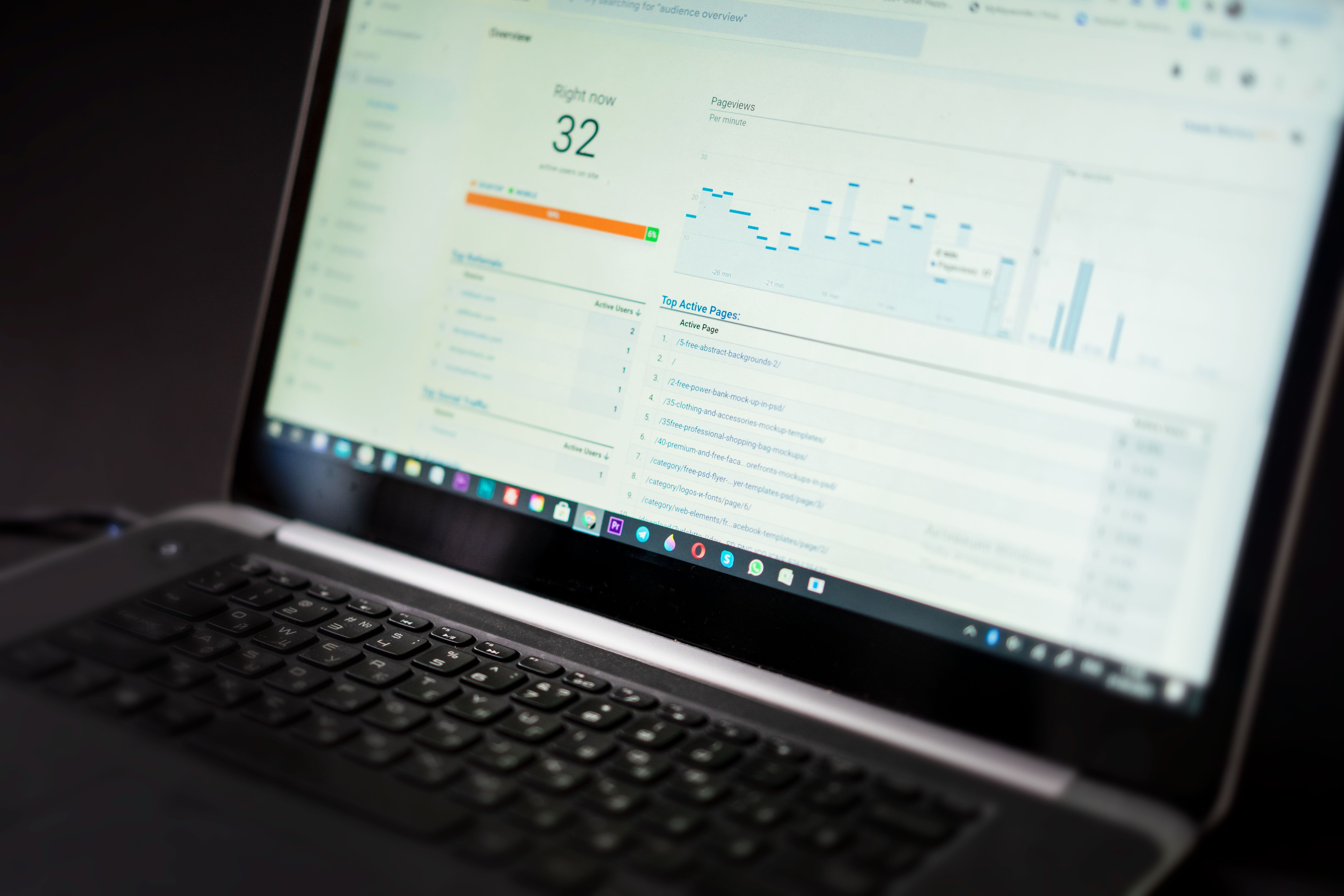
Zero click search has become one of the clearest signs that search behaviour is changing. Instead of sending every query to a website, search engines increasingly answer more questions directly on the results page through featured snippets, knowledge panels, local packs, shopping results, AI-generated overviews, and other on-SERP features.
For website owners, this does not mean SEO is less important. It means search visibility is now broader than rankings alone. A page can still influence discovery, brand awareness, and clicks even when the search result itself gets fewer visits.
What zero click search means for SEO
Zero click search happens when a user gets the answer they need without clicking through to a website. This can happen on informational searches, local searches, product searches, and navigational searches. Search engines are trying to reduce friction by surfacing quick answers, key facts, and relevant actions directly in the results.
For SEO, this changes how success should be measured. Ranking in the traditional sense still matters, but it is no longer the only signal. Visibility may come from a featured snippet, a map listing, a product carousel, a brand panel, or an AI summary. In many cases, the user still sees your brand even if they do not visit the site.
Why search visibility can rise while clicks fall
Zero click experiences can create a split between impressions and traffic. Your pages may appear more often in search results because they are relevant to a wider range of query formats, but the click-through rate may fall if the answer is already shown on the page.
This pattern is especially common for quick-answer content such as definitions, opening hours, simple comparisons, calculations, local information, and product availability. It can also affect mobile searches, where screen space is limited and the most visible results are often the ones that satisfy the query fastest.
Search Console data is useful here because it helps you separate visibility from visits. If impressions rise while clicks stay flat or decline, that may indicate zero click behaviour, stronger SERP features, or changing intent rather than a pure ranking loss.
How AI search and SERP features change the click path
AI-generated answers and expanded search features are reshaping how users move from query to website. Search engines are increasingly using structured data, entity understanding, and content extraction to build summaries, compare options, and surface direct actions. That can reduce the number of clicks for some queries, but it can also improve the quality of the clicks that do happen.
For brands, this makes content clarity more important. Pages that answer a question well, use clear headings, and provide verifiable details are more likely to be selected for snippets, knowledge features, or AI summaries. In practical terms, strong content SEO supports both visibility and trust.
If you want to review how search content is being crawled and interpreted, the SEO Starter Guide from Google Search Central is a helpful reference point.
Technical SEO now has a bigger role in zero click performance
Technical SEO still matters because search engines need to access, understand, and trust your pages before they can display them in any result format. Clean internal linking, crawlable navigation, fast loading pages, and well-structured content can all support stronger search visibility.
Website performance is also more important than ever. If a page is slow, unstable, or difficult to read on mobile, users are less likely to engage after clicking. In zero click environments, that matters because every click becomes more valuable. A strong page experience can help turn fewer visits into better engagement.
Structured data can also help search engines interpret page purpose more accurately, especially for ecommerce, local businesses, articles, and FAQs. This does not guarantee rich results, but it can improve machine readability and eligibility for enhanced display.
How local SEO and ecommerce SEO are affected
Local SEO is one of the areas most affected by zero click search. Map packs, business profiles, directions, call buttons, and opening hours often answer the user’s question before a website visit is needed. For many local searches, the goal is not only traffic but action.
That means businesses should keep business profiles, location pages, reviews, and service information accurate and consistent. If a user can call, navigate, or check availability from the results page, your brand can still gain value even without a website click.
Ecommerce SEO is also changing. Product listings, price comparisons, star ratings, shipping details, and availability can appear directly in search. This makes product feed quality, schema markup, image optimisation, and clear category structure more important. The click may happen later in the buying journey, but search visibility still influences discovery.
What WordPress sites and SEO teams should do next
WordPress users should make sure core SEO foundations are in place. That includes readable content templates, correct canonical tags, clean permalink structures, mobile-friendly design, and fast themes or carefully chosen plugins. Too many heavy plugins can hurt performance, which can weaken the page experience.
SEO teams should also review which content types are most exposed to zero click behaviour. Informational pages may need stronger originality, clearer brand signals, and more depth. Commercial pages may need better product data and comparison language. Local pages may need more specific service and location detail. If you need a structured review of content and technical priorities, a free website SEO audit can help identify the areas most likely to affect visibility.
For agencies and in-house marketers, this is also a useful moment to track brand searches, assisted conversions, and visibility across different SERP features rather than relying only on organic sessions.
Key takeaways for search visibility strategy
- Zero click search reduces clicks for some queries, but it does not reduce the value of SEO.
- Impressions, rankings, and clicks can move differently when SERP features dominate.
- Technical SEO, structured data, and page performance remain important for visibility.
- Local and ecommerce searches are especially exposed to direct answers on the results page.
- Success should be measured across visibility, engagement, and business outcomes.
Conclusion
Zero click search is best understood as a shift in how search results work, not as the end of organic SEO. Search engines are rewarding pages that answer questions clearly, support user intent, and fit into richer result formats. That means website owners need to think beyond traditional blue-link clicks and focus on total search presence.
Brands that adapt by improving content quality, technical foundations, and result-page visibility can still build awareness and capture valuable visits. At Backlink Works, this kind of search update analysis is useful because it helps businesses respond to changing search behaviour with practical, measurable actions rather than assumptions.
Frequently Asked Questions
Does zero click search mean SEO is less useful?
No. SEO is still essential for visibility, brand exposure, and qualified traffic, even when some searches end on the results page.
How can I tell if zero click search is affecting my site?
Look for rising impressions with flat or falling clicks in Search Console, especially on informational or local queries.
What types of pages are most affected?
Pages that answer simple questions, local listings, product pages, and quick-reference content are often most exposed.
What should I improve first?
Start with content clarity, structured data, page speed, mobile usability, and accurate business or product information.
- Sponsored Ad -





