
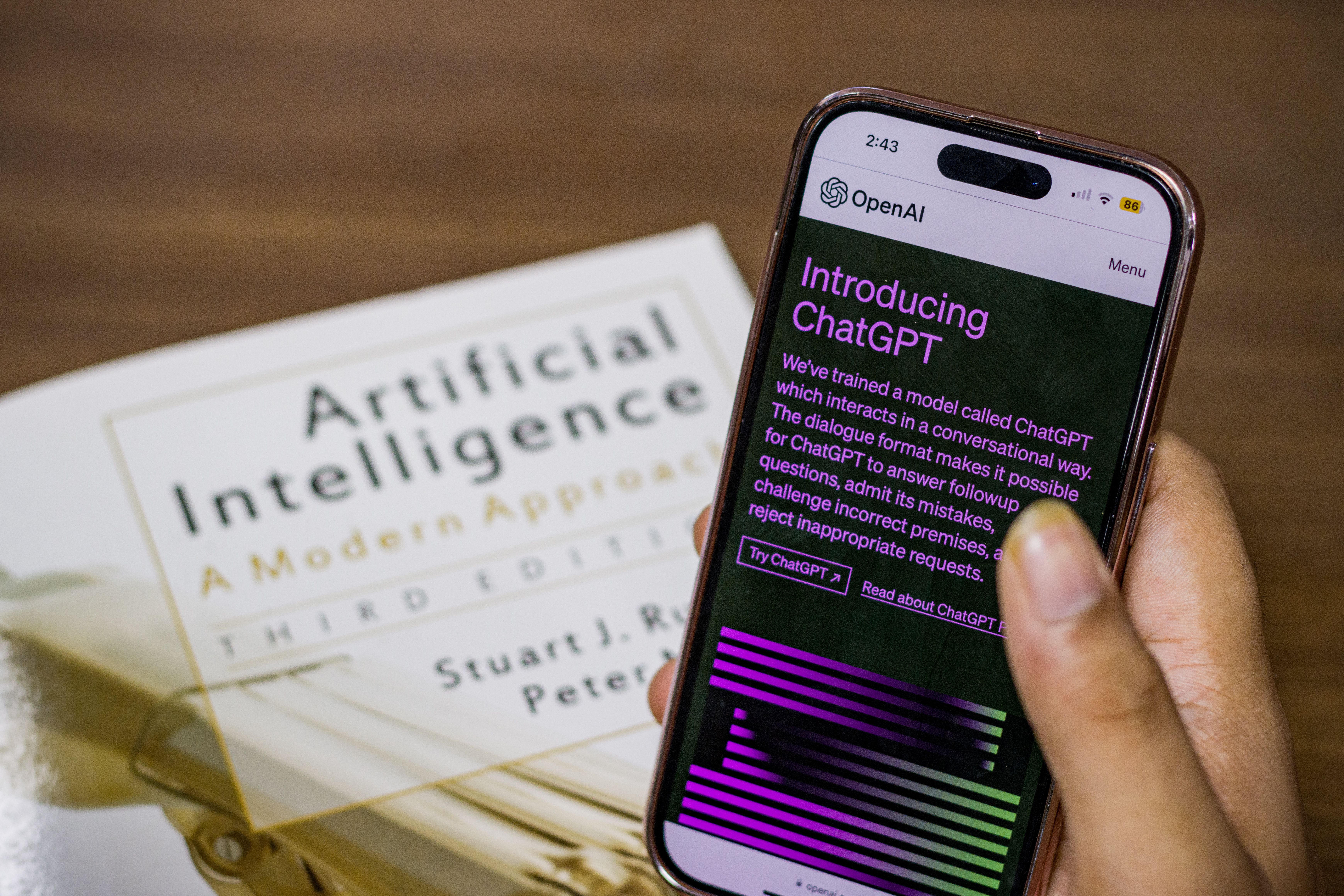
AI search is changing how people discover information, and website owners now need a clearer view of how AI Search Engines Work: A Practical Guide for Website Owners. These systems do not simply return a list of blue links. They often generate summaries, answer follow-up questions, and choose sources in ways that can vary by platform, query, and user context.
For publishers, ecommerce stores, service businesses, and brands, the practical question is not whether AI search replaces traditional SEO. It is how to stay visible when answers may be compiled from multiple sources, quoted with varying levels of attribution, or presented without a traditional search results page at all.
What AI search engines actually do
AI search generally combines retrieval with generation. Retrieval means the system gathers information from indexes, documents, or connected web sources. Generation means it turns that information into a written answer, often in conversational language. This is why AI search is sometimes called generative search or an answer engine experience.
Different products work differently. Google AI Overviews and Google AI Mode are part of Google’s evolving search experience, while ChatGPT Search, Perplexity, Microsoft Copilot Search, Gemini, and Claude may present sources, follow-up prompts, or citations in different ways. For a useful overview of Google’s own guidance, see Google’s documentation on AI features in Search.
How AI answers differ from classic search results
Traditional search usually presents a ranked list of pages, leaving the user to compare options. AI-generated answers may combine facts from several sources into one response, then offer citations, links, or source cards where available. In some cases, the answer may be enough for the user to continue without clicking.
That difference matters for website owners. A page may contribute to an AI answer without receiving a visible click. Another page may receive a referral visit from a citation, or a brand may be mentioned without a link at all. These are not the same thing as a traditional ranking, impression, or referral visit, so they should be measured separately.
What influences visibility in AI-generated answers
No platform has published a complete, universal formula for selection. However, website visibility in AI-generated answers can depend on factors that are broadly consistent with strong SEO and content quality: crawlability, indexing, page relevance, clear structure, accurate information, source authority, brand recognition, online reputation, and the context of the user’s query.
That is why Generative Engine Optimisation and Answer Engine Optimisation are best treated as complements to SEO, not replacements for it. These terms are still developing, and different marketers use them in different ways. In practice, they often mean making content easier for systems and people to understand, trust, and reference. If you are reviewing your broader backlink and authority strategy alongside content work, the Backlink Works guide to backlink building can help you keep the SEO side grounded in established practice.
Content, entities, and structured data
AI systems are more likely to understand pages that are clear about what they are, who they are for, and why they are credible. This is where entity optimisation comes in. An entity is a recognisable thing such as a brand, person, product, or organisation. Consistent business details, accurate author profiles, and transparent editorial information can help search systems interpret your site more reliably.
Structured data can also help by making page meaning clearer to machines, but it does not guarantee inclusion or citation. Use schema markup only where it reflects visible content. Helpful formats often include organisation, article, product, local business, and breadcrumb markup. If you want to keep your technical foundations in order, a free website SEO audit can help identify crawl, content, and on-page issues that may affect discoverability across both search and AI experiences.
AI content quality matters too. Content created with AI tools is not automatically bad, and human-written content is not automatically strong. What matters is accuracy, originality, editorial review, usefulness, and brand voice. Unreviewed AI content can introduce factual errors, repetition, thin explanations, or outdated claims, which is especially risky when AI systems may summarise that material later.
Technical access, crawlers, and platform limits
AI search visibility also depends on technical accessibility. That includes whether search-engine crawlers can access important pages, whether internal links are clear, and whether pages are blocked by robots.txt, meta robots tags, or server rules. It also means understanding that search-engine crawlers, AI-related crawlers, training-related crawlers, and user-triggered retrieval are not the same thing.
Allowing one crawler does not guarantee citation in an answer engine, and blocking one crawler does not remove every mention of a page from every AI system. Platform policies, data sources, and interfaces may change over time, so it is wise to check current official documentation before changing access rules. For foundational guidance on crawlability and indexing, Google’s SEO Starter Guide remains a practical reference point.
How to measure AI search traffic and visibility
Measurement is still imperfect. Some AI-assisted visits may appear as referral traffic, some as direct traffic, and some may not be easy to separate from other channels. That means AI search analytics should focus on patterns rather than single metrics. Look at landing pages, branded search behaviour, recurring query themes, assisted conversions, and whether your brand is cited or mentioned accurately.
It also helps to compare different visibility signals. A clickable citation can drive a visit. A text-only brand mention may improve recognition without traffic. A product recommendation may influence consideration but not produce an immediate session. An organic search impression and a traditional ranking are separate from all of these. The goal is not just more mentions, but more relevant, accurate, and useful exposure.
Practical steps for website owners
Start with the basics: improve page clarity, answer likely questions directly, keep facts current, and make your pages easy to crawl and navigate. Review whether key pages clearly state who wrote them, when they were updated, and what evidence supports important claims. For ecommerce sites, product descriptions, specifications, and policies should be consistent and easy to verify. For publishers, topical depth and editorial standards matter. For local businesses, accurate location and service information are essential.
Next, think about how your brand appears outside your own site. AI systems may draw on broader signals of authority and reputation, including reputable third-party mentions, consistent business details, and helpful references from trustworthy sources. This is where digital PR, quality backlinks, and clear entity signals can support discoverability without trying to manipulate the system. If you need a practical starting point, the Backlink Works backlinks pricing page may be useful for understanding service options, but it should be considered alongside content and technical work rather than as a standalone answer.
A simple checklist can help: confirm crawl access, check indexing status, improve page structure, verify schema accuracy, update stale content, and track mentions of your brand across search and AI results. None of these steps guarantees inclusion, but together they create a stronger foundation for both traditional search and AI-generated answers.
Conclusion
AI search engines are changing how people encounter information, but the underlying priorities for website owners remain sensible: publish helpful content, make it technically accessible, maintain trust, and keep your brand information consistent. AI search visibility is shaped by many moving parts, and different platforms may select, summarise, and cite sources in different ways.
The best approach is to build for people first, then make it easy for search systems to understand and reference your content. Traditional SEO still matters, and so does careful measurement. AI search is not a shortcut around good website practice; it is another reason to get the fundamentals right.
Frequently Asked Questions
What is the difference between AI search and traditional search?
Traditional search usually shows ranked links, while AI search may generate a direct answer using one or more sources. The user experience is more conversational, but the two approaches often work together rather than replacing one another.
Can I optimise a page to appear in Google AI Overviews or ChatGPT Search?
You can improve clarity, crawlability, and content quality, which may help discoverability, but no method guarantees inclusion or citation. Selection can vary by query, platform design, and other factors that are not fully公开 documented.
Do structured data and schema markup guarantee AI citations?
No. Structured data can help machines understand page meaning, but it does not ensure that a page will be chosen, quoted, or linked in an AI-generated answer. It should always match the visible content on the page.
How should I track AI search traffic?
Use a mix of referral traffic, landing pages, branded search trends, assisted conversions, and manual checks of AI-generated answers. Reporting may be incomplete, so it is best to look for useful patterns rather than a single perfect metric.
- Sponsored Ad -





