
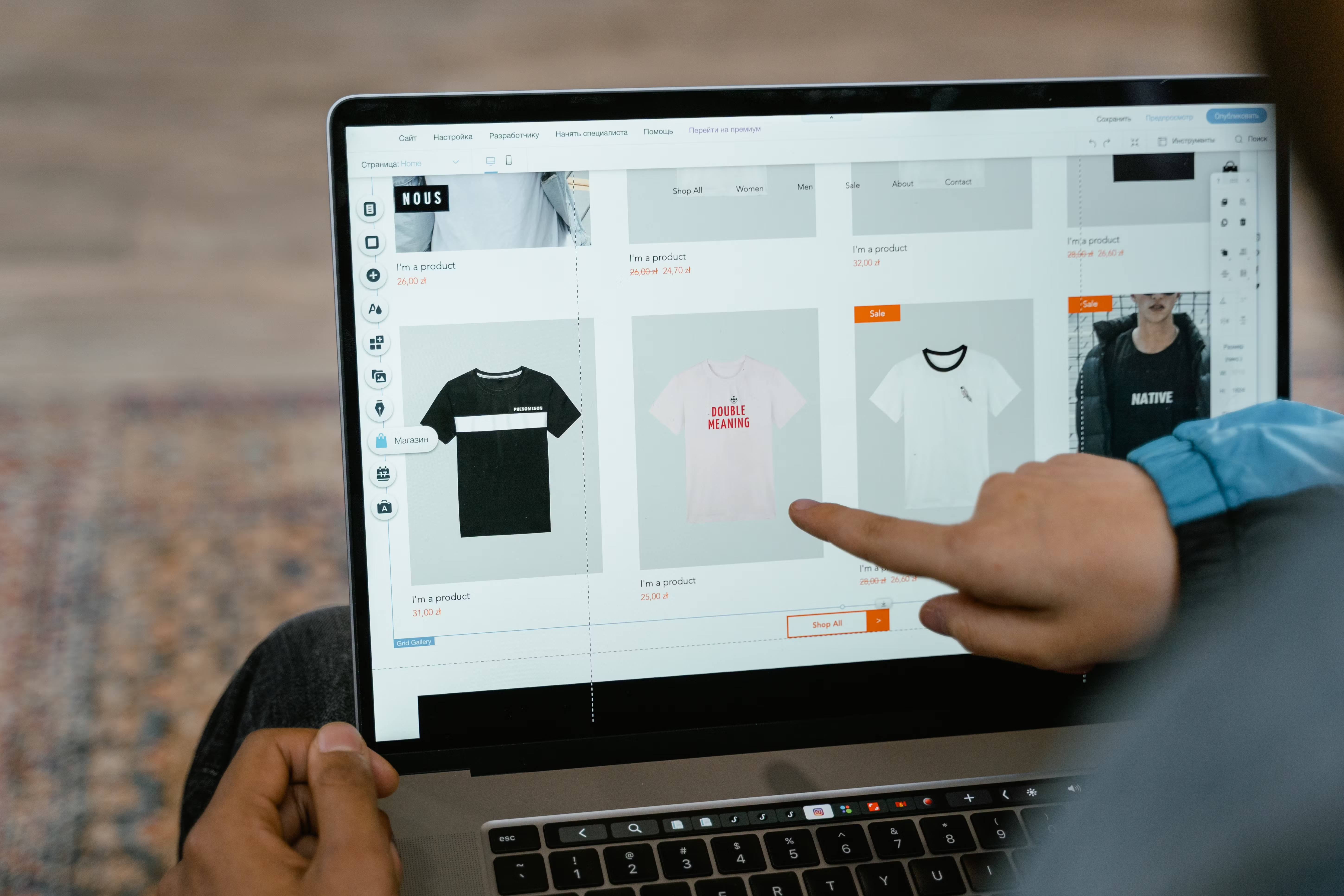
Permalinks are one of the small details that can have an outsized effect on ecommerce SEO. When product, category and collection URLs are poorly structured, search engines may struggle to understand page purpose, crawl paths can become messy, and users may be less confident clicking or sharing them.
For online stores, a clear URL structure supports product page SEO, category page SEO, internal linking, and long-term organic visibility. It also helps with site maintenance across platforms such as Shopify and WooCommerce, especially when ranges change, filters multiply, or products go out of stock.
Why permalink structure matters in ecommerce SEO
A permalink is the permanent URL for a page. In ecommerce, that usually means a product page, category page, blog post, or landing page. A good permalink is short, descriptive, and consistent with your site architecture.
Search engines use URLs as one of many signals to understand page context. Users also use them as a quick trust check. A clean permalink can support crawlability, indexing, and better internal linking. A confusing one can create duplicate paths, dilute relevance, or make your site harder to maintain over time.
This matters for organic traffic growth because ecommerce SEO is rarely about one page in isolation. Product descriptions, schema markup, mobile usability, Core Web Vitals, and category structure all work together. Permalinks should support that wider strategy, not get in the way of it. If you want a broader technical review of your site structure, a free website SEO audit can help identify crawl and index issues that often sit alongside URL problems.
Common ecommerce permalink mistakes
Using long, messy URLs
Some stores let URLs grow with every folder, tag, filter and tracking parameter. This creates clunky addresses that are hard to read and sometimes hard to share. A product URL like /shop/electronics/new-arrivals/summer-sale/blue-widget-12345 tells users very little and may include unnecessary clutter.
Keep URLs concise and descriptive. Include the primary keyword naturally where it fits, but do not force keywords into every path segment.
Changing permalinks too often
Frequent URL changes can break links, confuse crawlers, and split ranking signals if redirects are not handled properly. This is especially risky on ecommerce sites where seasonal products, collections and merchandising updates happen often.
If a URL must change, use a proper 301 redirect and update internal links where possible. This helps preserve authority and reduces friction for users landing from search or backlinks.
Allowing duplicate product URLs
Duplicate product content is a common issue when the same item is accessible through multiple categories, colour variants, tags or sorting paths. If each route produces a different URL, search engines may see near-identical pages competing with each other.
That can weaken visibility for the main product page and complicate reporting. Canonical tags, sensible folder structures and careful use of parameters can reduce this risk. It also helps to standardise product naming and descriptions so the URL, title tag and on-page copy all point to the same main topic.
Indexing faceted navigation and filter combinations
Faceted navigation can be useful for shoppers, but it can also create countless URL combinations from filters such as size, colour, price or brand. If those variants are indexed indiscriminately, they can waste crawl budget and create thin or duplicate pages.
Not every filter page needs to be blocked. Some can be useful landing pages if they match genuine search demand. The key is to decide which combinations deserve indexation and which should remain crawlable for users only. This is a technical SEO decision, not a one-size-fits-all rule.
Using vague or generic slugs
Permalinks that say little about the page, such as /product-1 or /new-item, miss a useful opportunity. Clear slugs can reinforce ecommerce keyword research, help with internal linking, and make category page SEO easier to scale.
For example, a category URL for women’s waterproof hiking boots is more useful than a vague collection name. The same applies to blog content that supports ecommerce content strategy, such as buying guides or comparison pages.
How permalink mistakes affect visibility, UX and conversions
Bad URLs do not only affect rankings. They can also influence user experience, mobile ecommerce SEO, and conversion behaviour. A shopper who sees a confusing or suspicious-looking URL may be less likely to trust the page, especially on product pages where price, reviews and delivery information are already under scrutiny.
Permalinks also matter for internal linking. If category pages, product pages and blog content use inconsistent structures, it becomes harder to build a sensible site architecture. That can weaken relevance signals and make it more difficult for users to move from informational content to commercial pages.
Conversions depend on many factors: traffic quality, pricing, product clarity, reviews, trust signals, page speed and checkout experience. A clean permalink will not fix poor merchandising, but it can remove friction and help support a more credible shopping journey. Google’s own guidance on SEO fundamentals is a useful reference point when reviewing how your site is structured.
Best practices for Shopify and WooCommerce stores
Shopify and WooCommerce both give store owners enough flexibility to create strong URL structures, but each platform has its own risks. Shopify store owners should pay close attention to collection paths, product variants and automatic URL handling. WooCommerce users should be careful with category hierarchies, product attributes and plugin-generated parameters.
For both platforms, these best practices usually help:
- Use short, descriptive URLs that match the page’s main intent.
- Keep one preferred URL per product or category wherever possible.
- Redirect discontinued or moved pages properly.
- Audit filter pages, tags and parameters regularly.
- Make sure internal links point to canonical versions only.
- Review product descriptions so the page content supports the URL topic.
When permalinks are aligned with category structure, schema markup and product page SEO, search engines can better understand which pages should rank for commercial queries. That does not guarantee visibility, but it creates a stronger foundation for long-term organic growth.
Handling out-of-stock and discontinued products
Out-of-stock product SEO is closely tied to permalink strategy. If a product is temporarily unavailable, it often makes sense to keep the URL live and explain the situation clearly, rather than removing the page immediately. This can preserve relevance for searchers and help users find alternatives.
If a product is permanently discontinued, the decision should depend on whether a close replacement exists. Sometimes a redirect to the most relevant category or successor product is best. In other cases, especially where search demand still exists, a page can be kept as an informational or comparison resource.
The permalink itself should remain stable whenever possible. The key is to manage the page’s status thoughtfully so you avoid unnecessary index bloat, dead ends, or broken links. This is especially important for larger catalogues where technical SEO becomes harder to control manually.
Practical checklist for reviewing ecommerce permalinks
Use this simple checklist when auditing an online store:
- Are URLs short, readable and descriptive?
- Do product and category URLs follow a consistent pattern?
- Are duplicate URLs being created by filters, tags or variants?
- Are redirects in place for moved or deleted pages?
- Do internal links use the correct canonical URL?
- Do URLs support the page’s keyword theme without stuffing?
- Are there unnecessary parameters affecting crawlability?
- Have you checked how mobile users see and share your URLs?
It is also sensible to review speed and usability alongside permalink changes, because ecommerce website speed and Core Web Vitals can affect both search performance and shopping behaviour. Tools such as PageSpeed Insights can help you spot performance issues that sit alongside structural SEO work.
Conclusion
Common ecommerce permalink mistakes are often simple, but their impact can spread across product visibility, category performance, crawl efficiency and user trust. Clean URLs will not transform an online store on their own, but they do help create a stronger SEO foundation for content, navigation and conversions.
For most stores, the goal is consistency. Keep URLs clear, protect important pages with redirects and canonicals, and make sure your permalink structure supports the rest of your ecommerce SEO strategy. If you are building a broader authority plan around content, links and technical improvements, Backlink Works publishes practical guidance for site owners looking to improve long-term visibility.
Frequently Asked Questions
Should ecommerce product URLs include keywords?
Yes, if they fit naturally. Keep them short and relevant, and avoid stuffing multiple keywords into the slug.
Is it bad to change a product permalink after launch?
It can be risky if redirects are not handled properly. If you must change it, use a 301 redirect and update internal links.
How do permalinks affect category page SEO?
Clear category URLs help search engines understand page topic and site structure, which can support indexing and relevance for commercial queries.
What is the biggest permalink issue for large ecommerce sites?
Duplicate and parameter-based URLs are often the biggest problem because they can create crawl waste and weaken the main page signals.
- Sponsored Ad -





