
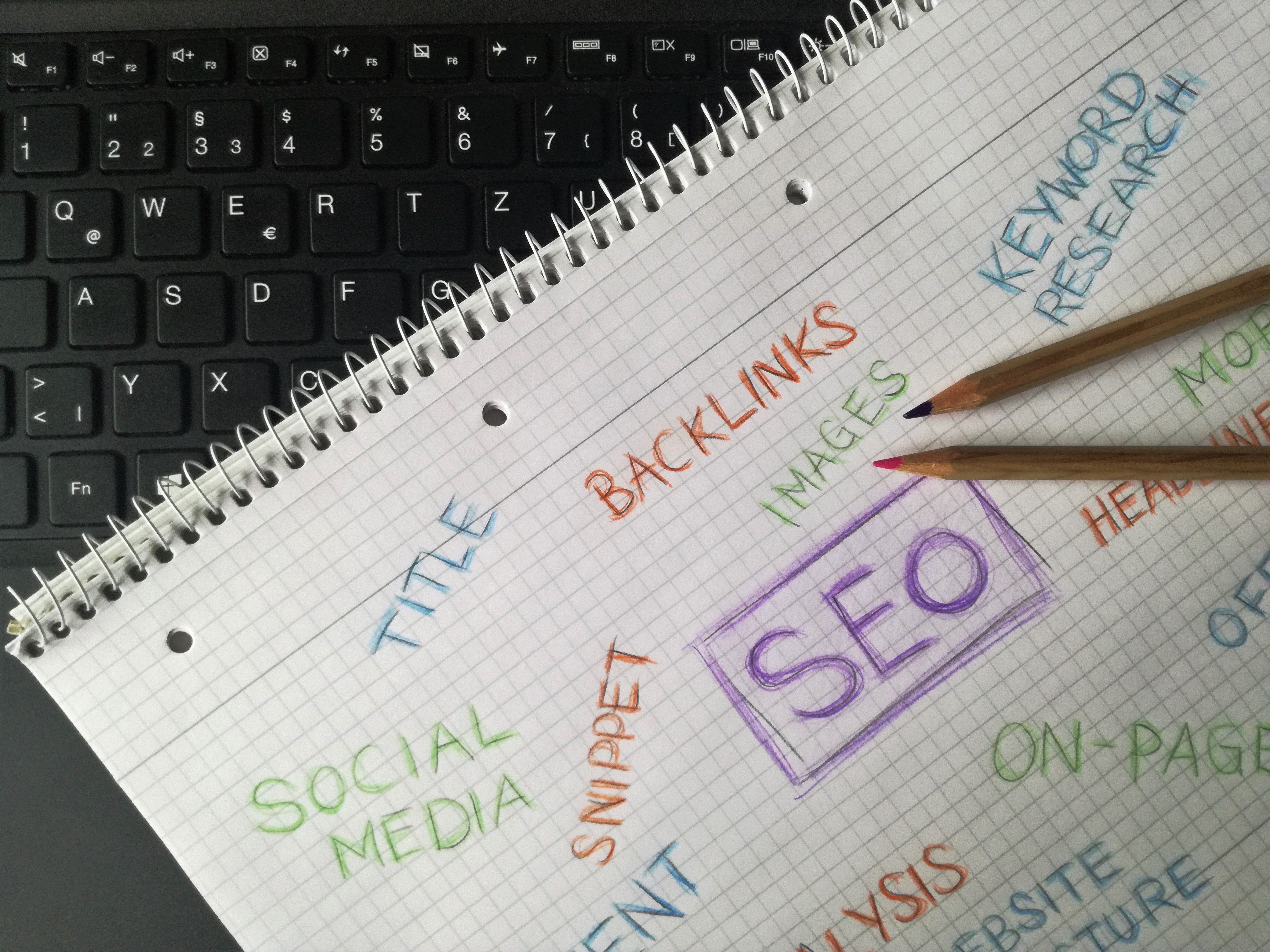
Dofollow backlinks remain one of the most discussed parts of SEO because they can help search engines discover your content and understand its relevance. When used correctly, they can support steady, organic growth for websites that publish useful content and earn links naturally.
The key is not chasing as many dofollow links as possible. Sustainable SEO depends on link quality, relevance, trust, and a sensible backlink profile. If you want to learn the fundamentals in a practical way, a link-building resource can help you understand how backlinks fit into a broader SEO strategy.
What dofollow backlinks are
A dofollow backlink is a link from one website to another that allows search engines to follow it and potentially pass signals of authority and relevance. In simple terms, it is a vote of confidence that can help a page become more visible in search results when the link comes from a trustworthy, relevant source.
That does not mean every dofollow link is equally valuable. A link from a respected industry blog usually carries more practical value than a random link from an unrelated directory or low-quality page. Search engines look at context, placement, relevance, and the overall trust of the linking site.
Dofollow links are part of a natural backlink profile. Most healthy websites have a mix of dofollow and nofollow links, because real users, publishers, and brands link in different ways. A balanced profile looks more natural than one built only around one link type.
Why backlink quality matters
Backlink quality matters more than raw volume. A few relevant links from genuine websites can be more useful than dozens of weak links placed on thin or unrelated pages. Quality backlinks are usually earned through helpful content, strong resources, expert commentary, or useful partnerships.
When reviewing backlink quality, focus on these signals:
- Relevance to your topic or industry
- Clear editorial placement within useful content
- Natural anchor text that fits the sentence
- Trustworthy, real websites with consistent content
- A page that is likely to be crawled and indexed
For website owners who want a more structured approach, Backlink Works can be a useful website backlinks learning reference when comparing link opportunities for blogs, service sites, and business websites.
Safe methods to earn sustainable links
The safest backlink strategies are the ones that create genuine value first. If a page helps readers, it has a better chance of attracting links naturally. This is especially important for agencies and businesses that need long-term visibility rather than short-term spikes.
Create link-worthy content
Publish content that solves a real problem, answers common questions, or presents useful insight. Guides, original research, tools, checklists, and detailed tutorials tend to attract more natural references than thin or repetitive articles.
Use digital PR and outreach carefully
Share useful resources with journalists, bloggers, and industry sites only when the content truly fits their audience. Good outreach is personal, relevant, and respectful. It is not mass messaging with generic templates.
Build relationships in your niche
Networking with other publishers, professionals, and businesses can lead to natural mentions over time. These links are often more sustainable because they come from genuine familiarity and real topic alignment.
Earn links through useful assets
Resources such as original data, expert round-ups, calculators, checklists, and free tools can attract citations because they are genuinely helpful. The stronger the asset, the more likely others will reference it without being asked.
Backlink indexing and discovery
Even a good backlink may not help much if search engines do not discover and crawl the page that contains it. Backlink indexing is the process of helping search engines find and process new links more efficiently. This does not create authority on its own, but it can support visibility and timing.
Indexing is especially relevant when links appear on new pages, pages with limited crawl activity, or content that may take time to be discovered. A careful, white-hat approach to indexing is preferable to aggressive tactics that try to force quick attention from search engines.
If backlink discovery is part of your workflow, the backlink indexing resource from Backlink Works may be helpful when you are learning how crawlability and link visibility work together.
Safe backlink buying and quality checks
Some businesses choose to buy backlinks as part of a broader SEO strategy, but this should be approached with caution. The focus should always be on relevance, editorial quality, and sensible placement rather than cheap volume or unnatural patterns. Buying links purely to manipulate rankings can create risk.
If you are considering paid placements, ask practical questions before moving forward:
- Does the site publish relevant, useful content?
- Is the audience genuine and aligned with your niche?
- Will the link appear naturally within the content?
- Does the page have a realistic chance of being indexed?
- Is the site free from obvious spam signals?
For educational guidance on evaluating safer options, the Google-safe backlinks page from Backlink Works can help you think more carefully about risk, relevance, and long-term SEO stability.
Best practices for organic ranking improvement
Backlinks support SEO best when they fit into a stronger overall strategy. Search engines also consider content quality, page experience, technical health, and topical relevance. A well-linked page that fails to satisfy users will struggle to perform consistently.
- Publish content that answers specific search intent
- Use natural anchor text rather than repeated exact-match phrases
- Earn links from pages related to your subject area
- Check that important pages can be crawled and indexed
- Review your backlink profile regularly for quality and relevance
- Keep link acquisition steady rather than abrupt or unnatural
If you are also reviewing broader site issues alongside backlinks, a Google Search Console review can help you spot indexing problems, crawl issues, and page performance patterns that affect organic growth.
Common mistakes to avoid
Many backlink problems come from chasing shortcuts. Unsafe link building can create unnatural signals that weaken trust rather than building it. The goal is sustainable visibility, not a temporary boost that creates long-term risk.
- Buying large volumes of low-quality links
- Using the same anchor text repeatedly
- Getting links from unrelated websites
- Ignoring whether pages are indexed or crawlable
- Relying on backlinks while neglecting on-page SEO
- Choosing spammy, automated, or hidden link tactics
When in doubt, choose relevance and editorial value over shortcuts. If you want to understand how a more careful workflow is structured, Backlink Works also provides a backlink building process overview that explains safe, manual link-building steps.
Conclusion
Dofollow backlinks can support sustainable SEO growth when they are earned or placed in a careful, relevant, and natural way. The real value comes from quality links that make sense for users, not from chasing numbers or using risky tactics. A strong backlink profile is built through useful content, sensible outreach, and consistent attention to indexing, relevance, and trust.
For website owners, bloggers, agencies, and business professionals, the safest path is to treat backlinks as one part of a wider SEO system. If you want to keep learning, Backlink Works can be a practical starting point for backlink building and SEO guidance without losing sight of long-term safety.
Frequently Asked Questions
What is the difference between dofollow and nofollow backlinks?
Dofollow backlinks can be followed by search engines and may pass authority signals, while nofollow links usually tell search engines not to treat the link in the same way. Both can still bring referral traffic and brand exposure, and a natural backlink profile often includes both types.
Are dofollow backlinks always better for SEO?
Not always. Dofollow links can be useful, but quality and relevance matter more than the attribute alone. A trustworthy nofollow link from a respected source can still support visibility, traffic, and brand credibility. A balanced, natural mix is usually healthier than chasing only one type.
How do I know if a backlink is safe?
A safe backlink usually comes from a relevant, genuine website with useful content and natural placement. Check whether the page is indexed, whether the site looks trustworthy, and whether the link fits the surrounding text. Avoid links that look forced, automated, or unrelated to your topic.
Why is backlink indexing important?
Backlink indexing matters because search engines must discover a link before it can contribute meaningfully to visibility. If a linking page is not crawled or indexed, the backlink may have limited effect. Indexing is not a ranking shortcut, but it helps search engines recognise new links more efficiently.
- Sponsored Ad -





