
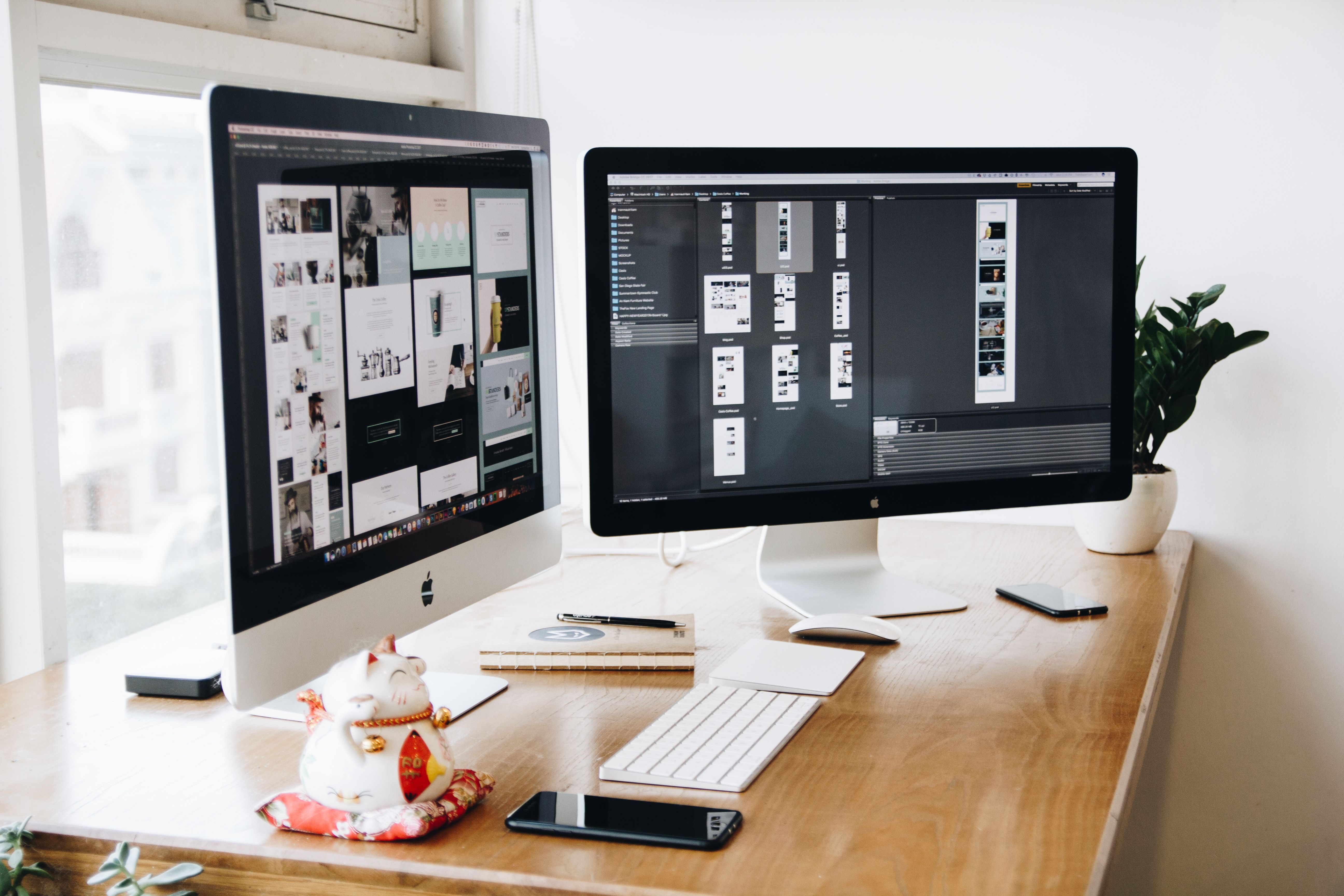
Building a website is no longer just about choosing a good-looking theme. A strong website builder design needs to support search visibility, mobile usability, fast loading, clear content structure and a smooth path to enquiry or purchase. That means design and SEO should work together from the start, not be treated as separate tasks.
This checklist is designed for website owners, small businesses, agencies, ecommerce brands and service providers who want a site that looks professional and performs well. Whether you are using WordPress, a site builder, or a custom platform, the same core principles apply: make the site easy to crawl, easy to use, easy to trust and easy to act on.
Start with structure, not decoration
A website should be organised around how visitors search, scan and decide. Before choosing colours or animations, map out the main sections of the site: homepage, about page, service pages, product pages, blog content, contact page and any conversion-focused landing pages. A clear structure helps users understand where they are and helps search engines understand what each page is about.
For SEO-friendly website design, each important page should have a specific purpose. Service pages should explain what you do, who it is for and why it matters. Product pages should answer practical questions, not just list features. Landing pages should focus on one goal, with one primary call to action and supporting trust signals. This keeps the site easier to navigate and clearer to index.
Good structure also supports internal linking. Related pages should connect naturally, so users can move between topics without getting lost. If you are planning a wider content strategy, it can help to review a free website SEO audit before redesigning the site.
Design for mobile-first and responsive use
Most visitors will encounter your website on a phone at some point, so mobile-first thinking is essential. Responsive web design should not simply shrink desktop content to fit a smaller screen. Instead, layouts should adapt cleanly, text should stay readable, buttons should be easy to tap, and key content should appear without excessive scrolling.
On smaller screens, a compact navigation menu, clear headings and short paragraphs make a big difference. Avoid overcrowding pages with too many columns, large banners or unnecessary design elements. A simple mobile layout often improves both user experience and conversion rates because people can focus on the main action more quickly.
It is also worth checking that forms, product filters, pop-ups and menus work properly on different devices. If a visitor has to zoom in, hunt for a button or close a disruptive overlay, that creates friction and may reduce engagement.
Prioritise speed and Core Web Vitals
Website speed is a design issue as much as a technical one. Heavy images, excessive scripts, large sliders and too many fonts can all slow a site down. A fast website improves usability, supports SEO and makes it easier for people to complete key actions without delay.
Core Web Vitals are useful signals to keep in mind when planning a build or redesign. In simple terms, they relate to loading performance, interactivity and visual stability. A layout that jumps around while loading, for example, can frustrate visitors and make a page feel unfinished.
To improve performance, compress images, remove unnecessary plugins, use sensible font choices and keep page layouts clean. On WordPress websites, choose a lightweight theme and only install tools you genuinely need. You can review official guidance through the Google SEO Starter Guide, which explains how search-friendly design and content support visibility.
Make content layout easy to scan
Most visitors do not read a page line by line. They scan for headings, short paragraphs, bullets and visual cues. That is why content layout matters so much in website builder design. Strong page layout helps users find answers quickly and can improve the chances that they stay on the page long enough to convert.
Use headings to break content into clear sections. Keep paragraphs short. Place the most important message near the top of the page. If a service page is meant to generate enquiries, the visitor should quickly understand the offer, the audience, the process and the next step.
For ecommerce website design, product pages should include useful descriptions, size or specification details, delivery information, returns guidance and clear calls to action. For business websites, the same principle applies: explain the offer clearly, support it with examples or proof, and make the next step easy to spot.
Improve UX and UI without overcomplicating the design
UX, or user experience, is about how easy and satisfying the site feels to use. UI, or user interface, is the visual layer that helps people interact with it. Both matter, but neither should be treated as decoration alone. A polished interface is useful only if it helps visitors move through the site with confidence.
Good UX design reduces confusion. Good UI design creates consistency. Buttons should look clickable. Links should stand out. Forms should be simple. Headings should match the content below them. Trust signals such as testimonials, certifications, contact details and clear policies should be easy to find without crowding the page.
For service pages and landing pages, keep the call to action visible and relevant. A consultation form, quote request or booking button should match the user’s intent. Conversion-focused design works best when it removes unnecessary steps and supports the decision-making process, rather than pushing for action too early.
If you want to compare structure and page quality before a rebuild, it can also help to study how Backlink Works presents its educational content and service areas in a way that supports navigation and clarity.
Check accessibility, trust and testing before launch
Accessibility is a core part of modern web design. It helps more people use your website and often improves SEO and usability at the same time. Make sure text has enough contrast, images have descriptive alt text, forms are labelled clearly and interactive elements can be used with a keyboard.
Trust also matters. Use a real contact page, visible business information, consistent branding and honest language. Avoid misleading calls to action or cluttered layouts that distract from the main task. A trustworthy website design feels calm, organised and transparent.
Before launch, test the site on multiple devices and browsers. Check load times, mobile behaviour, menu usability, broken links, form submissions and page layout. Analytics and heatmaps can also reveal where users struggle or stop engaging. If a page is important for search or conversions, review it carefully after launch rather than assuming it is complete.
For ongoing performance checks, the official PageSpeed Insights tool is a practical place to review loading speed and layout issues.
Best-practice checklist for a high-performing website build
Use this quick checklist during planning, design and launch:
- Choose a clear site structure with separate pages for key services, products and actions.
- Design mobile-first and test every important layout on a phone.
- Keep navigation simple, visible and consistent across the site.
- Use headings, short paragraphs and logical content blocks.
- Optimise images and avoid unnecessary scripts or heavy effects.
- Support trust with real contact details, policies and proof points.
- Make forms, buttons and calls to action obvious and easy to use.
- Review accessibility, page speed and broken links before launch.
For WordPress website design, this checklist is especially useful because themes and plugins can improve flexibility but also create bloat if they are not chosen carefully. For ecommerce sites, it is equally important to make product discovery, comparison and checkout as simple as possible. For bloggers and consultants, a strong content layout and internal linking plan can help readers move from one topic to the next naturally.
Conclusion
A website builder design checklist is not just a launch task. It is a practical way to align SEO, usability, performance and conversion-focused design from the beginning. When structure, mobile experience, speed, content layout and accessibility all work together, the site becomes easier to find, easier to use and easier to trust.
There is no single layout that suits every business, but the best websites share the same foundations: clear purpose, responsive design, fast performance, readable content and a path that supports the visitor’s next step. If you treat design as part of your SEO and growth strategy, your website is more likely to serve both users and business goals over time.
Frequently Asked Questions
What makes a website builder design SEO-friendly?
An SEO-friendly design is easy to crawl, mobile-friendly, fast, well structured and supported by clear content and internal links.
How does web design affect conversions?
Design affects how quickly visitors understand your offer, trust your business and complete an action such as enquiring, booking or buying.
Is WordPress good for SEO-focused website design?
Yes, WordPress can work well when you choose a lightweight theme, keep the structure tidy and avoid unnecessary plugins or clutter.
What should I check before launching a new website?
Check mobile usability, speed, navigation, form behaviour, accessibility, page content, internal links and any broken or missing elements.
- Sponsored Ad -





