
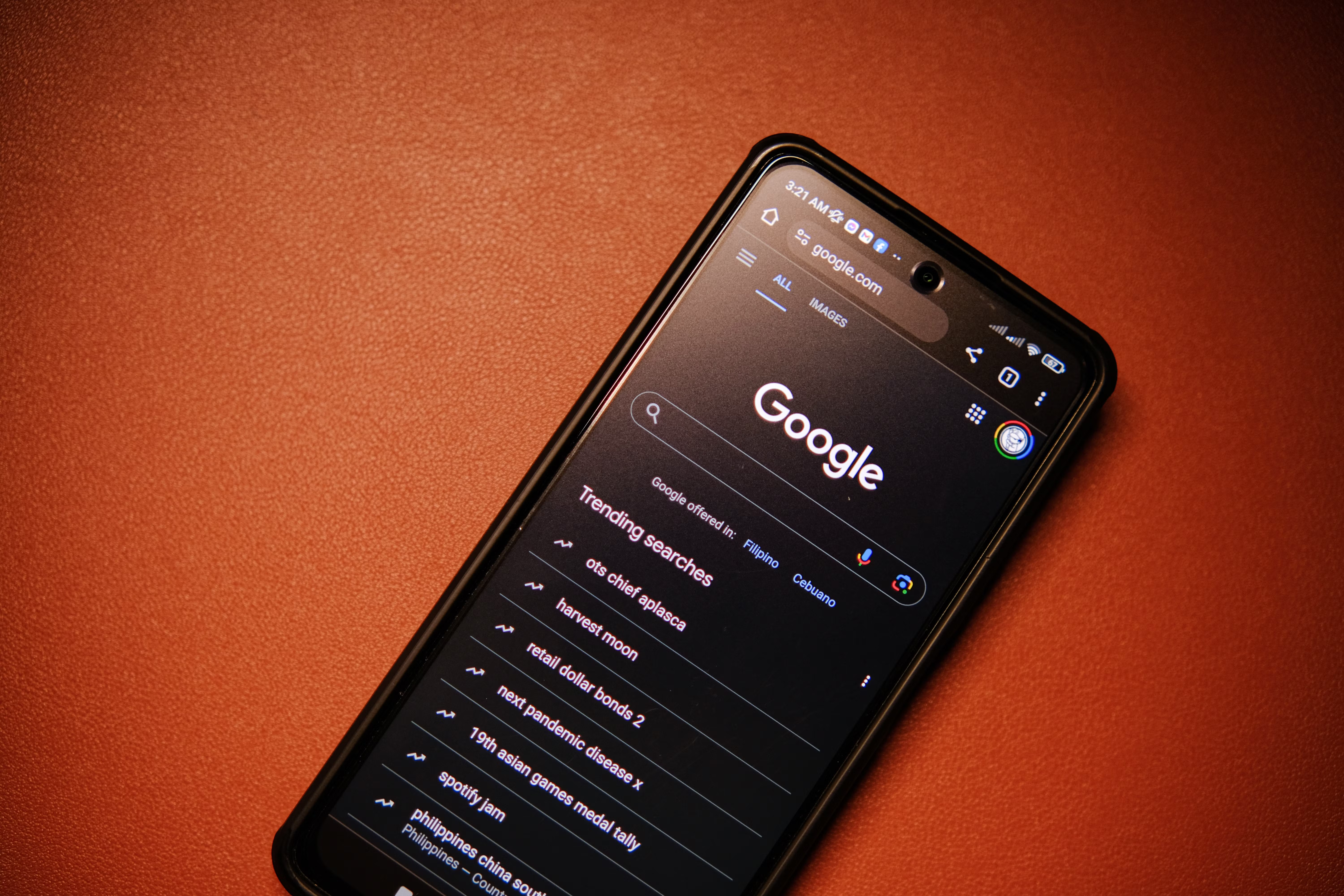
A brand SEO audit is a practical way to check how well your website is represented in search engines. It helps you spot technical issues, on-page SEO gaps, content weaknesses, and branding inconsistencies that can limit search visibility and organic traffic growth.
For website owners, bloggers, businesses, agencies, freelancers, and consultants, this type of audit is useful because brand searches often reflect trust, awareness, and user intent. A clear process can help you improve crawlability, indexing, page quality, internal linking, and the way your brand appears in search results.
What a Brand SEO Audit Covers
A brand SEO audit looks at the full search presence of your brand, not just a few keywords. It checks whether search engines can crawl and understand your site, whether pages are optimised for relevant searches, and whether your brand messaging is consistent across key pages.
In practice, this means reviewing both technical SEO and on-page SEO. Technical work helps search engines access and interpret your site correctly, while on-page work helps each page match search intent and clearly communicate value to users.
If you are new to auditing, a free website SEO audit can be a useful starting point for identifying common problems before you move into a deeper manual review.
Technical SEO Checklist
Technical SEO is the foundation of a brand audit because search engines need a clean site structure before content can perform well. Start with the basics and work methodically through the main access and performance issues.
- Check that important pages are indexable and not blocked by robots.txt or noindex tags.
- Review XML sitemaps to make sure key pages are included and outdated URLs are removed.
- Confirm that canonical tags point to the preferred version of each page.
- Look for broken links, redirect chains, and incorrect status codes.
- Test mobile usability and ensure layouts work well on smaller screens.
- Assess page speed and Core Web Vitals to reduce unnecessary friction for users.
- Check HTTPS implementation, mixed content issues, and secure site behaviour.
Google Search Console is especially helpful for this stage because it shows indexing, coverage, and enhancement issues directly from search data. The official Google SEO Starter Guide is also a useful reference if you want to compare your checklist with Google’s basic recommendations.
On-Page SEO Checklist
Once the technical foundations are in place, review how each page is written and structured. On-page SEO is about helping both users and search engines quickly understand what a page is about and why it deserves attention.
- Write clear title tags that reflect the page topic and brand intent.
- Use unique meta descriptions that encourage clicks without sounding forced.
- Make sure headings follow a logical structure and match page content.
- Keep main copy focused on one search intent per page.
- Include relevant terms naturally, without keyword stuffing.
- Check image alt text for descriptive, useful wording.
- Review URL slugs for clarity and consistency.
- Add internal links to support related pages and topic clusters.
For brand-focused pages, such as homepages, about pages, service pages, and category pages, the wording should support trust and clarity. If you are using SEO tools, treat them as guides rather than guarantees. A tool can highlight missing elements, but it cannot tell you exactly how users will respond to the page.
Content and Search Intent
A brand audit should also assess whether your content matches what people are actually looking for. Search intent matters because a page can rank poorly if it answers the wrong question, even when the keywords are present.
Review the main pages on your site and ask whether they satisfy informational, navigational, commercial, or transactional intent. For example, a service page should explain the offer clearly, while a blog post should educate the reader rather than act like a sales page. If you write for local customers, make sure location signals are genuine and useful, not stuffed into the copy.
This is also a good stage to review content quality, freshness, and duplication. Thin pages, duplicated wording, and vague copy can weaken search performance. Backlink Works can be a useful SEO learning resource if you want to better understand how content, technical checks, and visibility work together.
Practical Brand SEO Audit Checklist
Use the checklist below as a simple workflow when auditing a brand website. It is broad enough for beginners, but detailed enough to be useful for experienced SEO professionals.
- Confirm that the site is crawlable and indexable.
- Check the robots.txt file, sitemap, and canonical tags.
- Review title tags, meta descriptions, and heading structure.
- Inspect important pages for search intent alignment.
- Test internal linking from the homepage and core landing pages.
- Check image optimisation, alt text, and media file sizes.
- Review mobile usability and page speed.
- Audit structured data where relevant, such as organisation or product schema.
- Look for duplicate pages, thin content, and outdated information.
- Compare branded search results with the pages you want users to see.
- Review Google Search Console for coverage and enhancement alerts.
- Use Google Analytics to see which pages attract organic traffic and where users drop off.
If your site is built on WordPress, this checklist should also include plugin review, theme performance, and page template consistency. For ecommerce sites, category pages, product detail pages, faceted navigation, and duplicate filter URLs deserve special attention.
Common Mistakes
Many brand audits go wrong because they focus only on one area, such as content or page speed. A useful audit should connect the technical and on-page sides of SEO, because problems in one area often affect the other.
- Ignoring indexation issues and assuming pages are visible in search.
- Using the same title tag or meta description across multiple pages.
- Over-optimising copy with repeated keywords that sound unnatural.
- Leaving internal links unstructured, especially on large websites.
- Forgetting to check mobile design and usability.
- Relying on tools alone without reviewing pages manually.
- Making broad content changes without checking search intent first.
For structured technical reviews, tools such as Screaming Frog SEO Spider can help you surface crawl issues, metadata problems, and redirect patterns more efficiently. Use it to support decision-making, not to replace careful interpretation.
Best Practices for Ongoing Audits
Brand SEO is not a one-time task. Sites change, pages are added, and search behaviour shifts over time, so regular reviews help you stay consistent and avoid technical drift.
- Set a recurring audit schedule, such as monthly or quarterly.
- Track changes in rankings, impressions, clicks, and crawl errors over time.
- Document fixes so future audits are faster and easier to compare.
- Keep brand messaging consistent across core pages and search snippets.
- Review new content before publishing, not after it goes live.
- Prioritise issues that affect crawlability, user experience, and important landing pages first.
A clear reporting process matters just as much as the audit itself. If you work with clients or teams, keep notes on what was checked, what changed, and what still needs attention. That makes SEO progress easier to explain and avoids unnecessary repetition.
Conclusion
A brand SEO audit helps you understand how well your site is prepared for search visibility, user trust, and long-term growth. By checking technical SEO, on-page SEO, search intent, and content quality together, you can identify the issues that most affect performance and prioritise fixes more effectively.
The best audits are practical, repeatable, and grounded in real website behaviour. Use tools to support the process, but always review pages with a human eye. Over time, this approach can improve search visibility, strengthen brand presence, and make your SEO work more consistent.
Frequently Asked Questions
What is a brand SEO audit?
A brand SEO audit is a structured review of how your website appears and performs in search. It checks technical SEO, on-page SEO, content quality, indexing, and brand consistency so you can spot issues that may limit visibility or confuse users.
How often should I audit my website?
Many site owners review their main SEO issues monthly or quarterly, depending on site size and update frequency. Larger sites, ecommerce stores, and active blogs often need more frequent checks, especially after major content, design, or platform changes.
Do I need SEO tools for a brand audit?
SEO tools are helpful for finding crawl errors, metadata gaps, broken links, and speed issues, but they do not replace manual review. A good audit combines data from tools with a real look at the page, user experience, and search intent.
Can a brand SEO audit improve rankings on its own?
An audit itself does not improve rankings automatically. It identifies what needs attention so you can make better SEO decisions. Improvements in search visibility usually come from implementing useful fixes across technical, content, and on-page elements over time.
- Sponsored Ad -





