
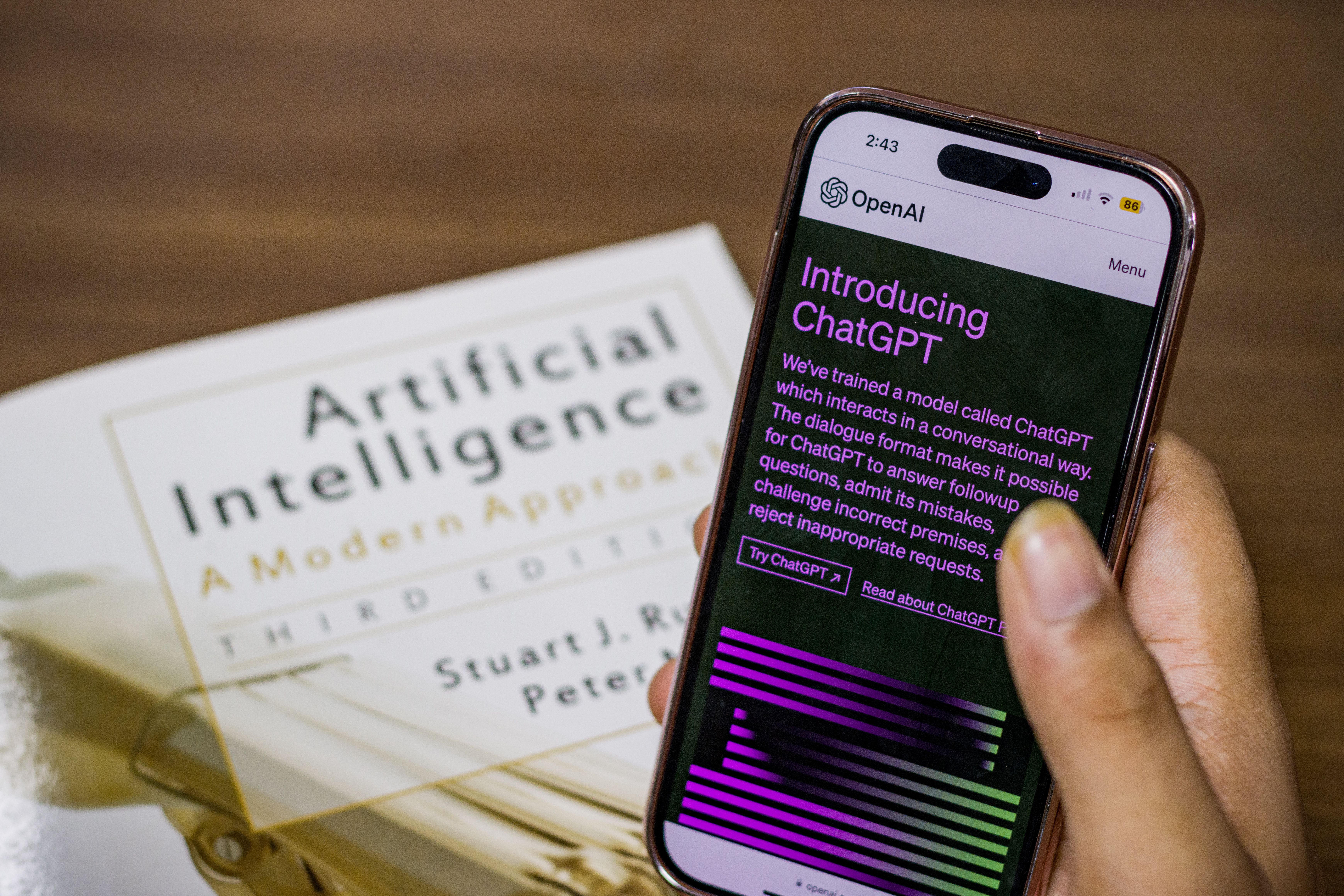
Google AI Overviews vs ChatGPT Search is a useful comparison for site owners because both systems change how people discover information. Instead of only scanning a list of blue links, users may now see an AI-generated answer that draws on multiple sources, blends context, and sometimes offers citations or follow-up prompts.
That shift does not remove the need for SEO. It does mean that visibility can be influenced by content quality, crawlability, indexing, brand recognition, technical accessibility, source authority, and the way each platform handles retrieval. Different AI search tools do not behave identically, so a practical strategy needs to stay flexible.
What AI search changes for site owners
AI search is often described as generative search or an answer engine experience. In simple terms, the system tries to respond directly to the query rather than only pointing to webpages. That can affect discovery because a user may get enough information from the answer itself, or may choose to click through for depth, product details, pricing, or verification.
Traditional search still matters because it remains a major discovery channel and often feeds the content ecosystem that AI systems rely on. However, AI-generated answers can change the journey. A searcher might start with a broad question, receive a summary, and then ask a more specific follow-up. That means content needs to work for both search engines and people reading in a conversational format.
Google AI Overviews and Google AI Mode
Google AI Overviews are AI-generated summaries that may appear for some queries in Google Search. Google AI Mode is a more conversational search experience that Google has introduced in some contexts. Neither feature should be treated as a fixed ranking system with public, confirmed optimisation rules. Google’s own guidance remains the best reference point for how its search systems and helpful content principles work, including Google’s documentation on AI features in Search.
For site owners, the practical takeaway is straightforward: pages still need to be crawlable, indexable, accurate, and genuinely useful. Clear headings, well-structured explanations, strong page intent, and trustworthy information remain important. But there is no guarantee that a page will be selected, cited, or shown in an AI Overview for any query.
ChatGPT Search, Perplexity, Copilot, Gemini and Claude
ChatGPT Search is an AI-assisted search and answer experience rather than a traditional search results page. Depending on the query and product version, it may provide citations, web references, or a response that synthesises information from multiple sources. Site owners should not assume a direct submission path or a guaranteed way to earn citations. Source selection and presentation may vary by account, region, query type, and interface changes.
Perplexity, Microsoft Copilot Search, Gemini, and Claude can also present web-informed answers, but they do not necessarily use the same retrieval methods, citation patterns, or interface logic. A page that is surfaced or cited in one platform may not appear the same way in another. That is why AI search visibility should be treated as a multi-platform issue rather than a single optimisation target.
Generative Engine Optimisation and Answer Engine Optimisation
Generative Engine Optimisation (GEO), Answer Engine Optimisation (AEO), and related terms such as LLM visibility or LLMO usually refer to improving how content is understood and surfaced by AI systems. These terms are still developing, and different marketers may use them in slightly different ways. They are best seen as extensions of SEO, not replacements for it.
Good GEO or AEO work typically overlaps with strong content strategy: answering questions clearly, using consistent entity names, supporting claims with credible references, and making pages technically accessible. Structured data can help machines interpret page meaning, but it does not guarantee inclusion in AI-generated answers. If you want a technical starting point, Google’s helpful content guidance is a sensible reference for editorial quality.
How citations, mentions and traffic should be measured
It helps to separate a few different outcomes. A clickable citation is not the same as a text-only brand mention. A mention is not the same as a recommendation. A recommendation is not the same as a referral visit. And a referral visit is not the same as an organic search impression or a traditional ranking.
That distinction matters because AI answers may mention a brand without sending traffic, or cite a page while still answering the user’s question in full. Measurement is often incomplete, so analytics should focus on practical signals such as referral visits, landing pages, assisted conversions, branded searches, and recurring query themes. In Google’s ecosystem, Search Console and analytics reports can help you understand performance patterns, and a free website SEO audit can be a useful way to check whether technical issues are limiting discoverability.
What site owners should review first
Before changing your content strategy for AI search, review the basics. Is the page indexable? Can search engines and legitimate crawlers access the important content? Does the page answer the query clearly? Is the brand information consistent across the site? Are you using structured data that matches visible content? Are your claims supported by trustworthy sources?
It is also worth reviewing entity signals. In search, an entity is a clearly identifiable thing such as a brand, person, product, or organisation. Consistent naming, accurate author bios, transparent company details, and reliable third-party mentions can help systems better understand who you are. For deeper background on link and authority building, Backlink Works explains its backlink building process in a way that can support broader visibility planning.
Useful actions include:
- Publishing accurate, original, source-backed content.
- Writing for human readers first, then refining clarity for machines.
- Using structured data only where it truthfully reflects the page.
- Checking robots.txt, meta robots, and server access before making technical changes.
- Monitoring how often branded queries and product names appear in AI-assisted journeys.
Common mistakes to avoid
One common mistake is assuming that AI search visibility can be forced with shortcuts. Keyword stuffing, fake mentions, deceptive schema, cloaking, hidden text, and mass low-quality content are poor practices and may damage trust rather than improve it. Another mistake is treating every platform the same. Google AI Overviews, ChatGPT Search, Perplexity, Copilot, Gemini, and Claude may present information differently, so copying one platform strategy across all of them is rarely sensible.
It is also unwise to rely on AI-generated content without editorial review. AI-assisted drafts can be helpful, but they can also contain factual errors, outdated details, duplication, or weak sourcing. Human editing, fact-checking, and brand voice remain essential. Traditional SEO is still part of the picture, and it remains a practical foundation for discoverability across both classic search and AI-generated experiences.
Conclusion
For site owners, the real question is not whether one platform “wins” against another. It is how to build content and technical foundations that support visibility wherever people search. Google AI Overviews, ChatGPT Search, and other answer engines are changing presentation and behaviour, but they still depend on understandable, accessible, credible information.
The safest strategy is balanced: keep improving SEO, strengthen your entity signals, publish useful content, check technical access, and measure what actually happens in analytics. That approach does not guarantee inclusion in AI-generated answers, but it gives your site a better chance of being understood, trusted, and discovered across changing search experiences.
Frequently Asked Questions
Are Google AI Overviews the same as ChatGPT Search?
No. They are separate products with different interfaces, data sources, and answer presentation styles. Site owners should not assume that visibility in one means visibility in the other.
Can I optimise a page to be cited by AI search tools?
You can improve clarity, authority, and accessibility, but you cannot guarantee citation. AI systems may select and summarise sources differently depending on the query and platform.
Does structured data help with AI search visibility?
Structured data can help machines interpret page content more accurately, but it does not guarantee AI citations or inclusion. It should always match the visible page content.
Should I change my SEO strategy for generative search?
Refine it rather than replace it. Strong SEO, clear entities, quality content, and technical accessibility still matter, while AI search adds a new layer of visibility to monitor.
- Sponsored Ad -





