
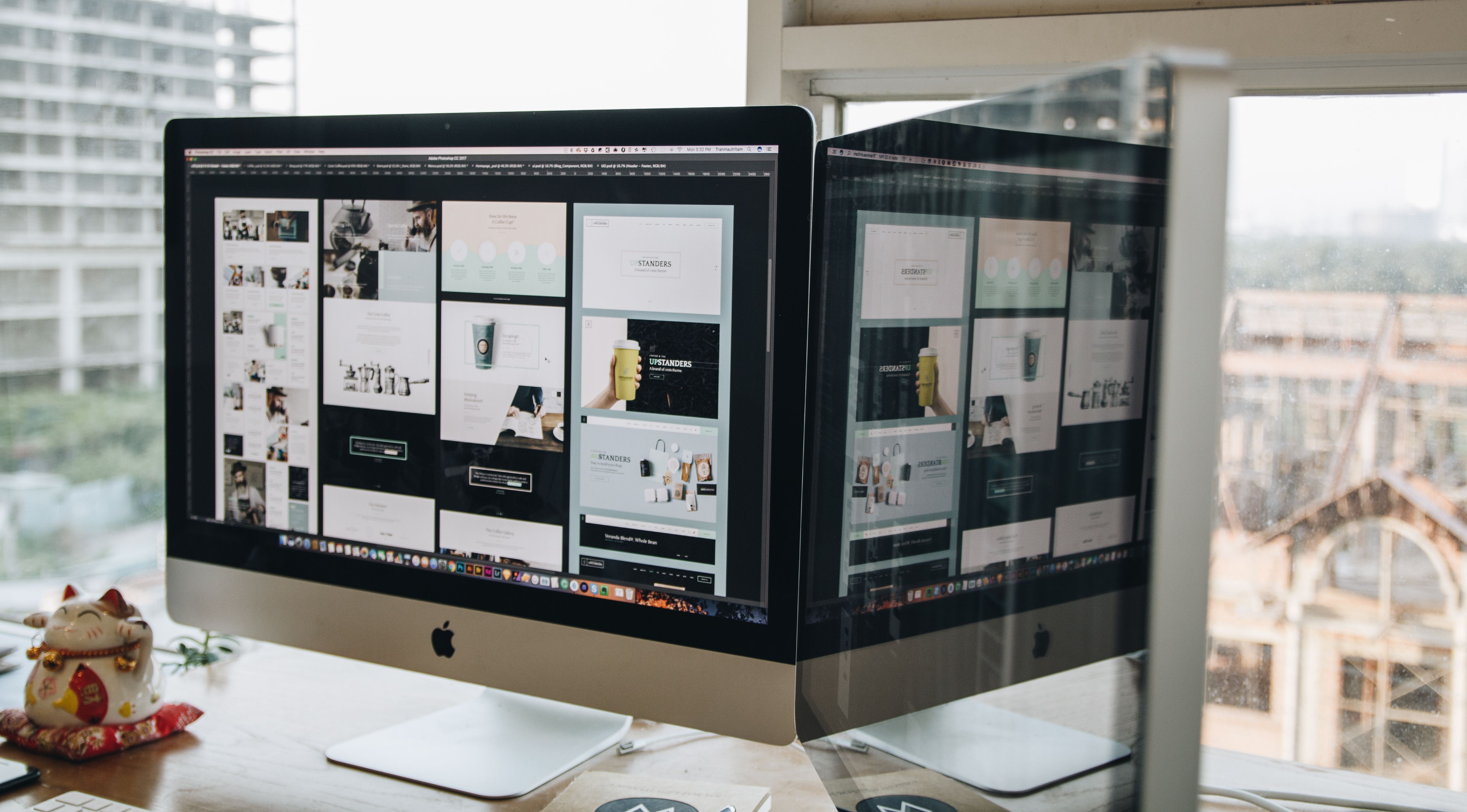
Website design does far more than shape how a site looks. It influences how easily people find information, how quickly pages load, how well content performs on mobile, and whether visitors feel confident taking the next step. In other words, design affects SEO, user experience, and conversions at the same time.
If your website is hard to navigate, slow to load, or unclear in its layout, search engines and users will both struggle. A better approach is to design for clarity, crawlability, accessibility, and intent. That is the foundation of an SEO-friendly website that also supports leads, enquiries, sign-ups, and sales.
Start with a website structure that supports search and usability
A strong website begins with a sensible structure. Search engines need to understand your pages, and visitors need to move through the site without friction. This means organising content into clear categories, using logical menus, and creating dedicated pages for key topics such as services, product types, locations, or solutions.
For business websites and service pages, keep the main navigation simple. Group related pages together and avoid burying important content several clicks deep. For ecommerce website design, structure should help users browse collections, compare products, and return to categories easily. Good structure also makes internal linking more effective, which helps distribute relevance across the site.
When planning a website, think about the path a visitor should take. A homepage should introduce the business clearly, category pages should guide exploration, and supporting pages should answer specific questions. If you want a practical way to assess structure and page quality, a free website SEO audit can help identify common design and technical issues.
Design for mobile first, then refine for larger screens
Mobile-first design is no longer optional. Many users will first encounter your site on a phone, so the smallest screen should influence the layout, spacing, and content order. Responsive web design should adapt gracefully to different devices rather than simply shrinking a desktop layout.
On mobile, make key actions easy to tap, keep text readable without zooming, and avoid forcing users to scroll past unnecessary elements before reaching useful content. Menus should be clear and compact, while buttons and forms should be easy to interact with using one hand.
Mobile usability matters for SEO because search engines evaluate whether pages work well on smaller screens. It also affects conversions, since a visitor who struggles with navigation or forms is less likely to continue. Test your pages on real devices as well as in browser previews, because practical use often reveals problems that mock-ups miss.
Improve page layout and content hierarchy
Good page layout helps people scan, understand, and act. Most visitors do not read every word immediately; they look for headings, short sections, supporting visuals, and cues that tell them they are in the right place. That is why content hierarchy is central to both UX and SEO-friendly website design.
Use clear headings, concise intro text, and enough white space to prevent the page from feeling crowded. Place the most important message near the top, then support it with details, benefits, proof, and a clear next step. On service pages, explain what is offered, who it is for, how it works, and why it matters. On product pages, focus on features, benefits, specifications, and trust signals such as delivery, returns, and reviews where genuine.
Visual design should support the content rather than distract from it. Keep contrast strong, use readable font sizes, and make sure images add value. A well-designed page layout can reduce confusion and support better engagement, but results will still depend on traffic quality, page intent, copy, and the offer itself.
Focus on speed, Core Web Vitals, and technical performance
Website speed is part of design, not just development. Large images, heavy scripts, unnecessary animations, and cluttered layouts can slow pages down and frustrate users. Poor performance can also affect crawl efficiency and reduce the likelihood that visitors stay long enough to engage.
Core Web Vitals are useful indicators of how real users experience a page. They reflect loading performance, responsiveness, and visual stability. Even if your content is strong, a slow or jumpy interface can undermine trust and make the experience feel unpolished.
Practical improvements include compressing images, choosing lightweight fonts, reducing unnecessary plugins, and limiting third-party scripts. For WordPress website design, selecting a well-built theme and keeping plugins lean can make a meaningful difference. Google’s PageSpeed Insights is a useful place to review page performance and spot common issues.
If you manage a WordPress site, review themes, page builders, and plugins carefully. The goal is not to remove all functionality, but to keep the site fast, stable, and easy to maintain.
Create conversion-focused pages with trust and clarity
Conversion-focused design is about helping visitors take a logical next step. That next step could be booking a call, requesting a quote, buying a product, subscribing to a newsletter, or downloading a resource. The right design supports that action without feeling pushy or deceptive.
Use clear calls to action, but only where they make sense. A service page might invite users to request a consultation after explaining the service and its benefits. An ecommerce product page might place key product details, pricing, availability, and delivery information near the purchase button. In both cases, the page should answer questions before asking for commitment.
Trust signals matter too. These can include contact details, customer support information, secure payment indicators, genuine testimonials, certifications, and transparent policies. Avoid fake urgency, hidden content, or misleading buttons. Those tactics may create short-term clicks, but they damage user trust and can harm long-term performance.
Conversion improvements are best tested over time. Design choices should be guided by analytics, user behaviour, and testing tools rather than assumptions. If you need a broader view of site quality and backlink context alongside design considerations, Backlink Works offers SEO and growth resources that can support your wider website strategy.
Make design accessible and easy to understand
Accessibility improves usability for everyone, not only people using assistive technologies. Clear labels, descriptive link text, good colour contrast, keyboard-friendly navigation, and meaningful image alt text all help more users interact with the site successfully.
Accessible design also supports SEO indirectly because it encourages better structure and clearer content. For example, descriptive headings make it easier for both people and search engines to understand the page. Well-labelled forms reduce friction and can improve completion rates, particularly on enquiry or checkout pages.
Consider how content is experienced by someone scanning quickly, someone on a slow connection, or someone using a screen reader. Small design improvements often make the site more inclusive and easier to use. For teams building or reviewing pages, the W3C Web Accessibility Initiative is a reliable reference point for accessibility principles.
Best practices to apply on your next redesign
If you are planning a redesign or updating specific pages, keep the process focused on user intent and business goals. Start with the pages that matter most, such as the homepage, service pages, category pages, and high-traffic landing pages. Then refine the design based on how people actually move through the site.
A practical checklist includes:
– Keep navigation simple and predictable
– Use responsive layouts that work well on phones first
– Place important content above the fold, but avoid cramming the top section
– Reduce clutter and use white space to improve readability
– Compress images and remove unnecessary scripts
– Make calls to action clear, relevant, and visible
– Strengthen trust with accurate information and transparent policies
– Review analytics and user behaviour before making further changes
Good design is rarely about adding more elements. It is usually about removing friction, clarifying structure, and helping people find what they need faster.
Conclusion
Improving website design for SEO, UX, and conversions means building pages that are easy to crawl, simple to use, quick to load, and clear about what action comes next. The best sites combine thoughtful structure, responsive layouts, accessible content, and performance-focused decisions.
When design supports the user journey, it becomes easier for visitors to understand your business and engage with your content. That can support better visibility, stronger trust, and more meaningful website results over time, without relying on gimmicks or shortcuts.
Frequently Asked Questions
What makes a website design SEO-friendly?
An SEO-friendly design helps search engines crawl the site easily, supports mobile usability, loads quickly, and presents content in a clear structure.
How does website design affect conversions?
Design affects conversions by shaping trust, clarity, and ease of use. Clear layouts, strong calls to action, and simple navigation can help visitors take the next step.
Is mobile-first design important for every website?
Yes. Most websites need to work well on phones first because mobile usability affects both user experience and search visibility.
What should I improve first on a slow website?
Start with image compression, theme and plugin review, and layout simplification. Then test performance again to see what still needs attention.
- Sponsored Ad -





