
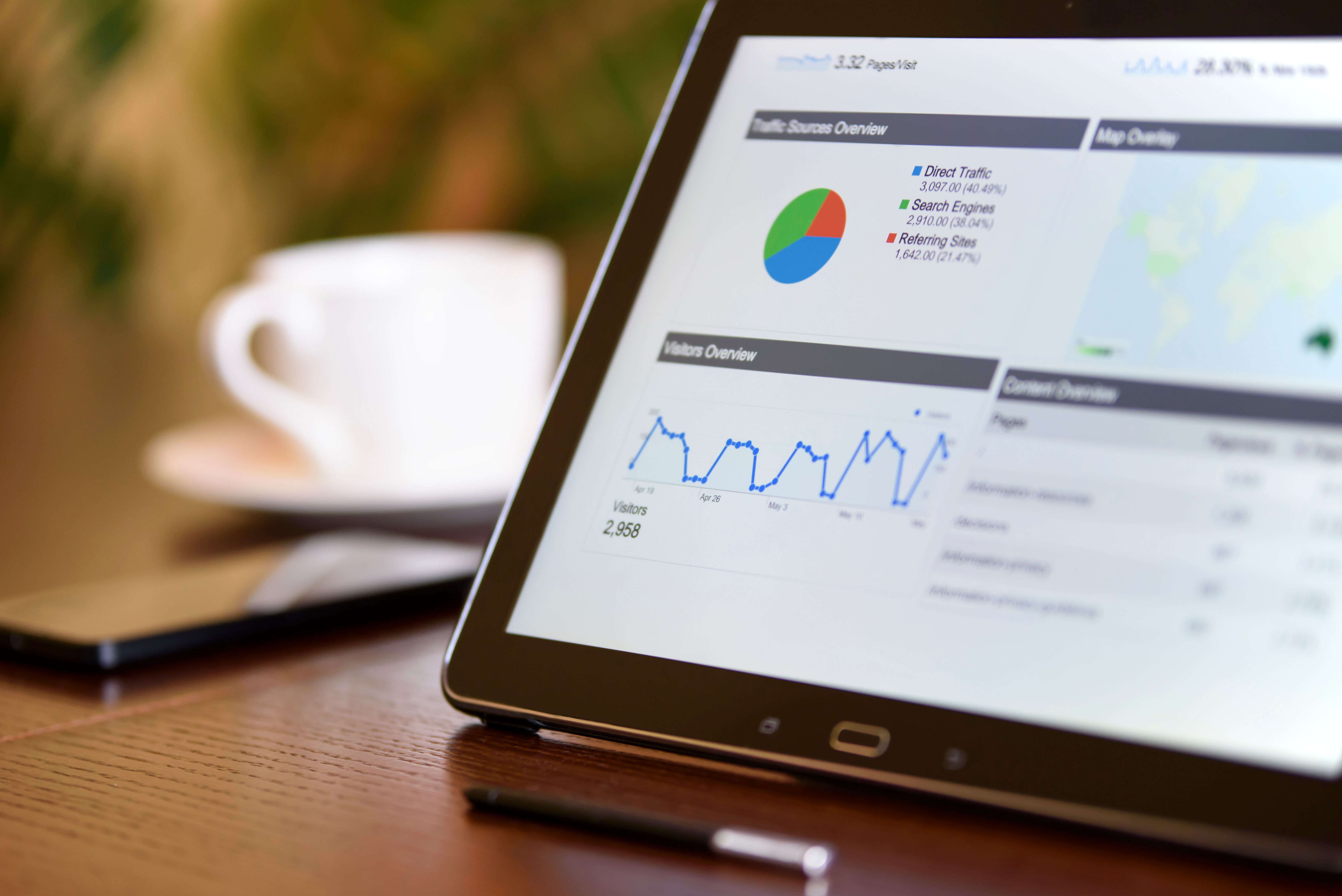
An agency backlink report should do more than list links. It should help you understand which backlinks are genuinely supporting organic growth, which ones may be carrying risk, and where your link profile needs attention.
For website owners, bloggers, digital marketers, SEO beginners, agencies, and business teams, the real value of a backlink report is clarity. When you can measure link quality properly, you can make better decisions about link building, indexing, outreach, and whether a backlink profile is natural or potentially unsafe.
What an Agency Backlink Report Should Show
A useful backlink report gives a clear picture of the links pointing to a website and explains what those links mean in practical SEO terms. It should not only count backlinks, but also help you assess relevance, authority, and risk.
At a minimum, a strong report should cover the source page, target page, anchor text, link type, referring domain, follow status, and whether the link is indexed. If you are learning the basics of link analysis, the backlink building guide is a useful starting point for understanding how different links fit into a wider SEO strategy.
How to Measure Link Quality
Link quality is not just about authority metrics. A high-quality backlink should make sense in context, come from a relevant site, and appear naturally within useful content. It should also be placed on a page that is likely to be crawled and indexed.
Relevance
The strongest links usually come from websites and pages that relate closely to your topic, industry, or audience. A backlink from a relevant blog post, resource page, or business directory often carries more practical value than an unrelated link from a site with a higher score but weak topical fit.
Authority and trust
Authority metrics can be helpful as a rough guide, but they should never be the only measure. A trustworthy site with sensible editorial standards is usually a better long-term signal than a noisy domain with inflated numbers. If you are comparing stronger sources, high DR backlinks can be useful to review alongside relevance and placement.
Anchor text
Anchor text tells you how a link is described. Natural anchor text is usually branded, generic, or context-based. Over-optimised exact-match anchors can increase risk, especially if they appear repeatedly across many backlinks. A healthy report should show whether anchor text looks balanced and varied.
Placement and context
Links embedded inside meaningful content often carry more trust than links placed in footers, sidebars, author bios, or low-value lists. The surrounding text matters because it shows whether the link supports the topic or feels inserted purely for SEO.
How to Measure Link Risk
Risk in a backlink profile comes from patterns that look unnatural, manipulative, or irrelevant. A backlink report should help you spot these signals early so you can act before they become a bigger issue.
Signs of risk
Look for repeated exact-match anchors, large clusters of links from weak or unrelated pages, sudden spikes in backlinks with no clear reason, and domains that appear created only for link placement. Also review whether the same site links to you many times without offering genuine editorial value.
It is also sensible to check if backlinks are actually being crawled. If they are not indexed, they may not provide much practical value. For that reason, many agencies include backlink indexing checks as part of their reporting process.
Follow and nofollow balance
A natural backlink profile often includes a mix of dofollow and nofollow links. Dofollow links can pass stronger SEO signals, while nofollow links can still support discovery, referral traffic, and a more natural profile. A report should not treat dofollow as automatically good or nofollow as automatically useless; both have roles in a healthy profile.
Link neighbourhood
Where a backlink sits matters. If a page links out to many irrelevant sites, shows thin content, or looks built around commercial link placement, the risk rises. Safe reporting looks at the wider environment around the link, not just the metric attached to the domain.
Backlink Indexing and Why It Matters
Backlink indexing is an important part of any agency backlink report because a link that is not discovered or indexed may not contribute in the same way as a visible, crawlable link. This does not mean every unindexed link is worthless, but it does mean the report should distinguish between live, crawlable, and indexed backlinks.
For businesses that need better visibility into how links are found and processed, deep-level backlink indexing can be relevant when you are reviewing deeper crawl support and discovery issues. This is especially useful when a campaign has generated quality links but they are not appearing as expected in audits.
Checklist for a Practical Backlink Review
Use this checklist when assessing a backlink report:
- Check whether the linking page is relevant to your topic or audience.
- Review the anchor text for natural variation.
- Confirm whether the link is dofollow or nofollow.
- Look at the surrounding content and placement of the link.
- Assess whether the referring page and domain appear trustworthy.
- Note if the backlink is indexed and discoverable.
- Identify any unusual spikes, repeated patterns, or low-quality sources.
- Separate useful links from links that may need monitoring or removal.
Best Practices for Safer Link Evaluation
Good backlink reporting focuses on quality signals, not just volume. The safest approach is to compare metrics with manual review and avoid relying on automation alone. This is especially important for agencies managing multiple clients, where one poor link source can create noise across a campaign.
It also helps to follow a white-hat mindset. Natural backlink growth, editorial relevance, and sensible anchor text usually create a stronger long-term profile than aggressive tactics. If you want a broader learning reference on safe link building, Google-safe backlinks is a useful resource to explore.
When a report shows that a site needs stronger off-page support, it is better to build links gradually and with relevance in mind. Tools like Backlink Works can help website owners and agencies understand link-building options without losing sight of safety and quality.
Common Mistakes in Backlink Reporting
One of the most common mistakes is treating every backlink metric as equally important. A high number of backlinks does not automatically mean a strong profile. Another mistake is ignoring relevance and focusing only on authority scores, which can hide poor-quality links inside a report.
Other issues include overvaluing anchor text rich in exact-match keywords, ignoring indexing status, and failing to separate links that are useful for traffic from links that are useful for authority. Some teams also overlook the difference between a link that is live and a link that is actually contributing after crawl and indexing.
Conclusion
An agency backlink report should give a realistic view of link quality and risk. The best reports combine data with manual review so you can see which backlinks are relevant, natural, indexed, and likely to support organic visibility over time.
For website owners and SEO professionals, the goal is not to chase every possible link. It is to build a profile that looks sensible, earns trust, and supports long-term growth. When backlink quality is measured properly, decisions become clearer, risks are easier to spot, and link building becomes more strategic.
Frequently Asked Questions
What is the main purpose of a backlink report?
A backlink report helps you assess the links pointing to a website so you can understand quality, relevance, anchor text patterns, and possible risks. It is useful for spotting strong links, weak links, and unnatural patterns before they affect SEO decisions.
How do I know if a backlink is high quality?
A high-quality backlink usually comes from a relevant site, appears in useful content, uses natural anchor text, and is placed on a page that looks trustworthy. Authority helps, but topical relevance and editorial context are often more important than a single metric.
Why does backlink indexing matter?
If a backlink is not indexed or crawlable, it may not be fully discovered by search engines. That does not always make it useless, but indexed links are easier to review and are more likely to contribute to visibility, referral traffic, and authority signals.
Should a backlink report focus only on dofollow links?
No. Dofollow links are important, but nofollow links can still support a natural backlink profile and bring useful traffic. A balanced report should review both types so you get a clearer picture of the full link profile, not just the links that pass stronger signals.
- Sponsored Ad -





