
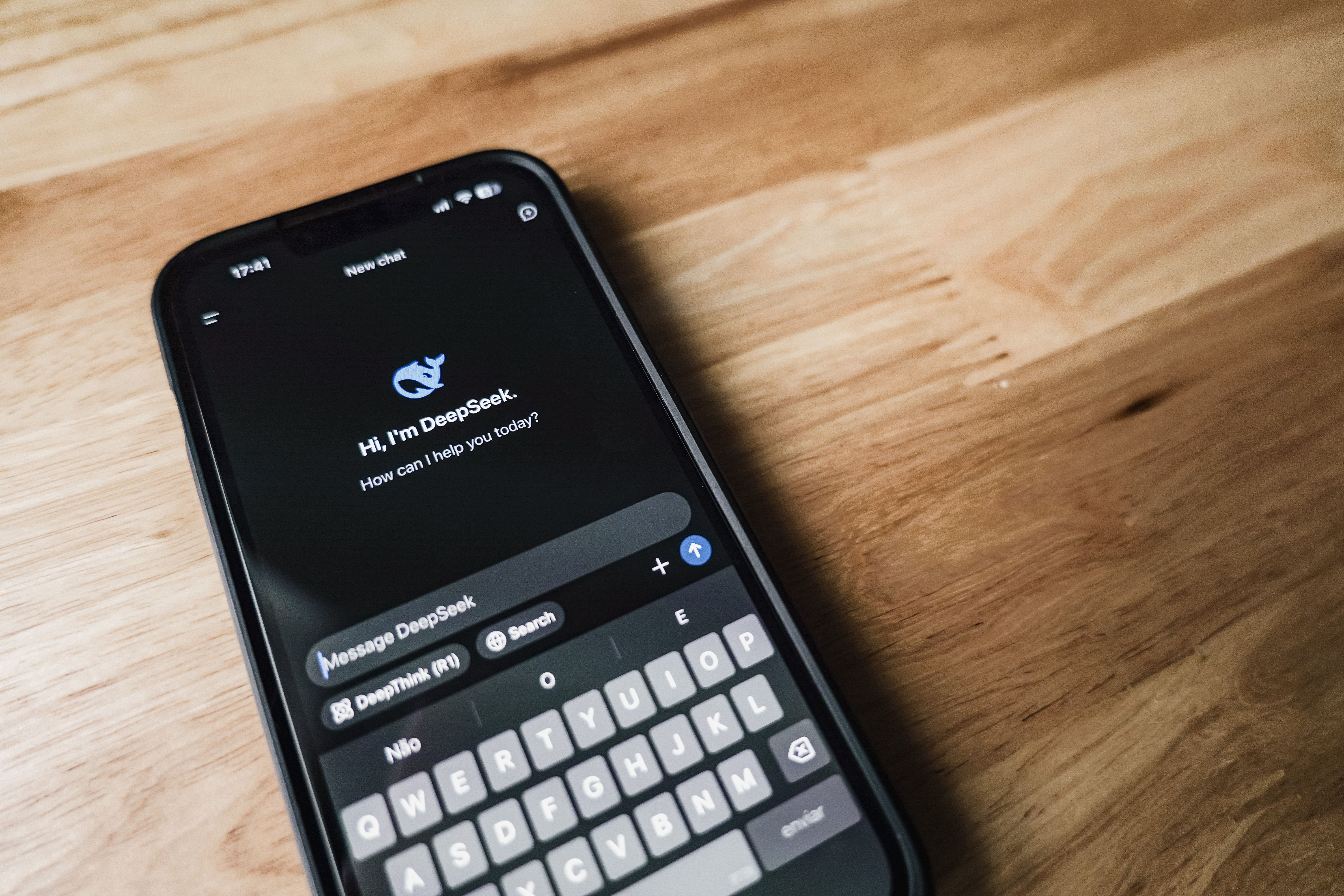
AI search is changing how people discover information, and that means How AI Search Affects Organic Traffic: What Website Owners Should Know is no longer a niche topic. Instead of relying only on a list of blue links, users may now see answers generated from multiple sources, along with citations, brand mentions, follow-up prompts, or summaries that reduce the need to click through immediately.
For website owners, the main question is not whether AI search replaces traditional search. It does not. The more practical question is how generative search, answer engines, and AI-assisted results may change visibility, click patterns, and the way content earns attention across platforms such as Google AI Overviews, Google AI Mode, ChatGPT Search, Perplexity, Microsoft Copilot Search, Gemini, and Claude.
What AI search means for organic traffic
AI search usually refers to search experiences where a system generates a written answer rather than only showing a ranked list of pages. Some experiences are conversational, some are search-led, and some blend retrieval with generation. In practice, this can affect organic traffic in several ways. A user may get enough information from the answer itself and not click. In other cases, the AI response may surface your brand, then encourage a visit later through a follow-up query or direct navigation.
This is why organic traffic can become less linear. A page may still be visible in traditional search, but receive fewer clicks from certain informational queries because the answer is already shown in the interface. At the same time, strong content can still earn discovery, brand exposure, and referral visits if it is selected, cited, or summarised.
For a broader SEO foundation, website owners can also review a free website SEO audit from Backlink Works as part of a wider visibility check.
How AI-generated answers differ from standard search results
Traditional search presents a set of pages that the user can choose from. AI-generated answers often combine information from several sources and present a single response, sometimes with citations or linked references. That difference matters because visibility is no longer only about being ranked; it may also involve being selected as a source, mentioned by name, or used as part of a broader synthesis.
Different platforms handle this differently. Google AI Overviews and Google AI Mode may present source links in ways that differ from Perplexity, Copilot Search, or ChatGPT Search. Gemini and Claude may also surface web information differently depending on the product experience, user prompt, and available retrieval features. There is no single documented selection formula that applies across all systems.
That means a page may appear in one AI-generated answer and not another, even for similar queries. It also means that citations, source labels, and interface behaviour can change over time as products are updated.
Why website visibility now depends on more than rankings
Traditional SEO still matters because AI systems commonly rely on content that is crawlable, indexable, useful, and clearly written. But strong rankings alone do not guarantee inclusion in an AI answer. Other factors can matter too, such as content quality, semantic relevance, entity clarity, technical accessibility, source authority, and the broader reputation of the brand or publisher.
Entity optimisation, in simple terms, means making it easy for systems and users to understand who you are, what you publish, and how your site relates to a topic or business. This can include consistent organisation details, clear author information, accurate page titles, useful internal linking, and structured data that matches the visible page content. Structured data can help machines understand a page, but it does not guarantee AI citations or AI visibility.
This is where terms such as Generative Engine Optimisation, Answer Engine Optimisation, and LLM visibility are often used. These are evolving ideas, not fixed disciplines with universal rules. At their best, they complement established SEO, content strategy, and digital PR rather than replacing them.
AI citations, brand mentions, and traffic quality
It helps to separate several outcomes that are often grouped together. A clickable citation is a link shown in or beside an AI answer. A text-only brand mention is simply the brand name appearing in the response. A recommendation is when the system presents a source or product more favourably than alternatives. A referral visit is the actual click to your site. A traditional search impression is different again, because it refers to visibility in search results, not necessarily a visit.
These outcomes do not always move together. A brand mention may improve awareness without producing clicks. A citation may bring a visit, but not always. An AI answer may quote one source, paraphrase several, or omit attribution altogether. Because of that, website owners should watch for quality signals rather than obsess over single metrics.
Useful measures include referral traffic, landing-page engagement, branded search interest, conversions, enquiries, and recurring query themes. If an AI platform names your brand but users do not visit, that can still matter for visibility, but it should not be confused with traffic performance.
Practical checks for content, crawlability, and AI search readiness
Before changing strategy for AI search, check the basics first. Can search engines crawl your pages? Are important URLs indexable? Are there clear headings, concise explanations, and factual answers to common questions? Is your content up to date and written with genuine expertise? These fundamentals support both human readers and machine systems.
It is also worth checking technical access. Search-engine crawlers, AI-related crawlers, training-related crawlers, and user-triggered retrieval are not the same thing. A setting that affects one may not affect the others. If you plan to adjust robots.txt or server rules, check the latest official documentation and test carefully before making live changes. Google’s guidance on AI features in Search is a useful starting point for understanding how Google describes these experiences.
For structured pages, use schema only where it accurately reflects visible content. Helpful examples include organisation, article, product, local business, and breadcrumb data. Misleading or invalid markup can create quality problems rather than solve them.
Common mistakes website owners should avoid
One common mistake is writing for AI systems instead of people. Content that is thin, repetitive, or overly optimised may not help users, and it may not help discoverability either. Another mistake is assuming every AI platform works the same way. Google, OpenAI, Perplexity, Microsoft, Anthropic, and Gemini-related experiences can differ in how they retrieve, present, and attribute information.
Other problems include relying on unreviewed AI-generated content, publishing unsupported claims, or assuming that schema alone will produce visibility. It is also unwise to chase fake brand mentions, spammy links, deceptive markup, or fabricated authority signals. Those tactics are poor for users and risky for long-term visibility.
If you are using AI to draft content, treat it as an assistant rather than an author. Fact-check every important claim, add original insight, and keep the tone consistent with your brand.
Conclusion
AI search is reshaping how organic traffic appears, but it is not replacing the need for solid SEO, clear content, and trustworthy publishing. Website owners who focus on crawlability, helpful information, brand clarity, and accurate structured data are better placed to remain visible across both traditional results and AI-generated answers.
The most practical approach is balanced: keep serving human readers, keep measuring meaningful outcomes, and treat GEO, AEO, and LLM visibility as extensions of SEO rather than substitutes for it. That approach is more realistic than chasing guaranteed inclusion, which no platform can promise.
Frequently Asked Questions
Can AI search reduce my organic traffic?
Yes, it can reduce clicks for some queries, especially where the answer is shown directly in the interface. The effect varies by topic, platform, and how much information the user needs.
Does appearing in an AI answer always lead to traffic?
No. A brand mention or citation may improve visibility without producing a visit. Traffic depends on the query, the answer format, and whether the user wants more detail.
Should I change my SEO strategy for AI search?
You should refine it, not replace it. Strong SEO, useful content, and technical accessibility remain important, while AI search adds another visibility layer to monitor.
How can I tell whether AI platforms are mentioning my brand?
Check referral data, branded search activity, important landing pages, and the wording of recurring queries. Manual review is often necessary because analytics may not capture every AI-assisted journey.
- Sponsored Ad -





