
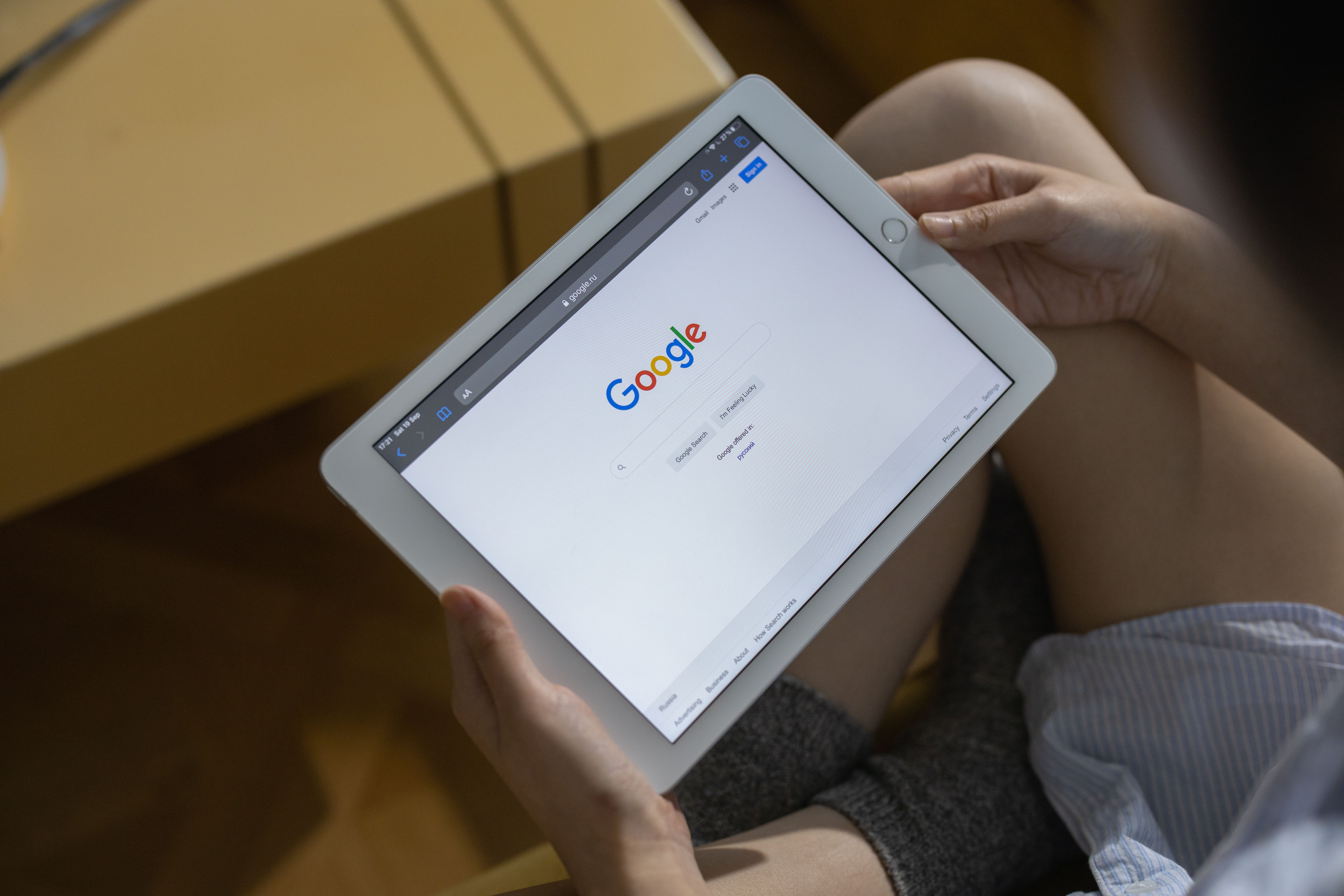
AI search is changing how people discover information, but backlinks still matter. Search engines use many signals to understand whether a page is trustworthy, useful, and worth showing. High-quality backlinks remain one of those signals, especially when they come from relevant, credible websites.
For website owners, bloggers, digital marketers, SEO beginners, SEO agencies, business owners, and professionals, the real challenge is no longer just getting links. It is building the right links in a way that supports organic visibility, avoids spam, and fits modern search behaviour. This article explains how AI search and backlinks work together, and how to build quality links for SEO safely.
How AI Search Changes Backlink Evaluation
AI-driven search systems are better at understanding context than simple keyword matching. That means they can judge whether a backlink sits naturally within useful content, whether the linking site is relevant, and whether the overall page appears trustworthy. In practice, this makes link quality more important than link quantity.
A strong backlink profile is usually built from links that make sense to users. A relevant article, a useful resource page, or a well-written industry mention can all support SEO. By contrast, links placed on unrelated or low-value pages are less likely to help and may create risk.
Modern search systems also look at the wider pattern around a link. If a site only attracts unnatural anchor text, low-quality placements, or repetitive links from weak sources, the profile can look manipulated. That is why natural growth matters more than chasing large numbers.
What Makes a Backlink High Quality
Backlink quality is not about the biggest domain name alone. It is about relevance, trust, placement, and context. A smaller website with a highly relevant audience can sometimes be more valuable than a broad but unrelated site.
- Relevance: The linking page should match your topic or industry closely.
- Context: The link should sit naturally within useful content.
- Authority: The source should have a credible reputation and real traffic signals.
- Placement: Editorial links inside the main content are usually stronger than footer or sidebar links.
- Anchor text: The clickable text should sound natural and varied.
When assessing sources, many marketers use tools such as Ahrefs to review backlink profiles, referring domains, and link relevance. Tools can help with research, but judgment still matters. A link should be useful to readers first and valuable for SEO second.
How to Build Links That Support Organic Growth
The best link building strategies focus on earning trust rather than forcing placements. If you publish genuinely useful content, people are more likely to reference it. That may include guides, original research, practical checklists, or clear explanations that solve a real problem.
For many businesses, a sensible starting point is understanding the backlink building process. This helps you plan outreach, content creation, and quality checks without relying on risky shortcuts. Backlink Works can also be a useful backlink building resource for people who want to learn structured, white-hat link building.
Some practical ways to earn better links include:
- Publishing content that answers common customer questions.
- Creating resources that other sites would naturally cite.
- Contributing expert commentary to relevant publications.
- Building partnerships with industry blogs and associations.
- Refreshing older content so it stays useful and link-worthy.
Backlink Quality Signals to Check
Before pursuing a link, ask whether it supports the site’s credibility. A good backlink should come from a page that is indexable, relevant, and visible enough to matter. It should also fit the topic and not feel forced.
Relevance and audience match
If your website sells accounting services, a backlink from a finance or business publication is usually more sensible than a link from a random entertainment blog. Relevance helps search engines understand the connection and helps users trust the referral.
Dofollow and nofollow links
Both dofollow and nofollow links can play a role in a healthy profile. Dofollow links are more directly associated with passing SEO value, while nofollow links can still drive referral traffic and make your backlink profile look natural. A balanced mix is usually healthier than chasing one type only.
Anchor text and placement
Anchor text should be descriptive but not over-optimised. Repeating exact-match phrases too often can look unnatural. Editorial links within the main body of content are generally more valuable than links hidden in low-visibility sections.
Backlink Indexing and Visibility
Even a good backlink is less useful if search engines do not discover or process it properly. Backlink indexing refers to whether search engines can crawl and recognise the linking page. If a page is blocked, thin, or rarely crawled, the backlink may not contribute much.
Indexing support can help ensure valuable links are noticed. For example, the backlink indexing resource from Backlink Works is relevant when you are trying to understand how links get discovered and crawled. The goal is not to force indexing, but to remove obvious obstacles and improve visibility.
It is also sensible to review your own site’s technical health. If your pages are slow, blocked, or poorly structured, even strong backlinks may not deliver the full benefit. A free website SEO audit can help identify issues that affect how link equity and search visibility flow through your site.
Best Practices and Common Mistakes
Safe backlink building is mostly about discipline. If you keep your strategy practical and user-focused, you reduce risk and improve the chance of long-term value.
Best practices
- Prioritise relevance over raw volume.
- Use varied, natural anchor text.
- Earn links from content that offers genuine value.
- Check that linking pages are indexable and trustworthy.
- Review your backlink profile regularly for patterns.
- Build links gradually so growth looks natural.
Common mistakes
- Buying links from irrelevant or low-quality sources.
- Using the same anchor text repeatedly.
- Chasing links only for domain metrics.
- Ignoring whether the linking page is actually visible to search engines.
- Expecting backlinks alone to fix weak content or poor site structure.
- Using spammy automation instead of editorial or manual outreach.
If you want a broader overview of safe, educational link-building principles, the complete backlink building guide is a useful starting point. It can help beginners and agencies understand how to build links more responsibly without relying on shortcuts.
Checklist for Safer Backlink Building
- Is the linking site relevant to your niche?
- Does the page offer real value to readers?
- Is the link placed naturally in the main content?
- Is the anchor text readable and varied?
- Can search engines crawl and index the page?
- Does the link fit a white-hat SEO strategy?
- Will the link make sense to a human visitor?
For businesses wanting clearer standards around safe link acquisition, Google-safe backlinks is a useful reference point. It is a reminder that long-term SEO works better when links are earned or placed carefully rather than forced into low-value environments.
Conclusion
AI search has made backlink quality more important, not less. Search engines are increasingly good at understanding context, relevance, and trust, so the best backlinks are those that genuinely fit the content and help users. Focus on useful content, sensible outreach, natural anchor text, and clean technical SEO.
Backlinks remain a valuable part of organic ranking improvement, but they work best alongside strong pages, clear site structure, and consistent SEO effort. If you keep your approach safe, relevant, and practical, your backlink strategy is far more likely to support lasting visibility.
Frequently Asked Questions
Do backlinks still matter in AI search?
Yes, backlinks still matter because they help search engines assess trust, relevance, and authority. AI search systems may interpret context more intelligently, but they still use links as one of many signals. The key difference is that quality, relevance, and natural placement matter more than ever.
What is the difference between a good backlink and a bad one?
A good backlink comes from a relevant, trustworthy page that adds value to readers. A bad backlink usually comes from an unrelated, low-quality, or manipulative source. Good links feel editorial and natural, while bad links often look forced, repetitive, or purely transactional.
Do nofollow links help SEO?
Nofollow links can still be useful even if they do not pass the same direct SEO value as dofollow links. They can drive traffic, improve brand visibility, and make your backlink profile look more natural. A healthy profile usually contains a mix of link types.
How can I tell if a backlink is indexed?
You can check whether the linking page appears in search results or review crawl and index signals using SEO tools. If a page is blocked, weak, or rarely crawled, the link may have limited value. Indexing support can help, but quality and relevance still matter most.
- Sponsored Ad -





