
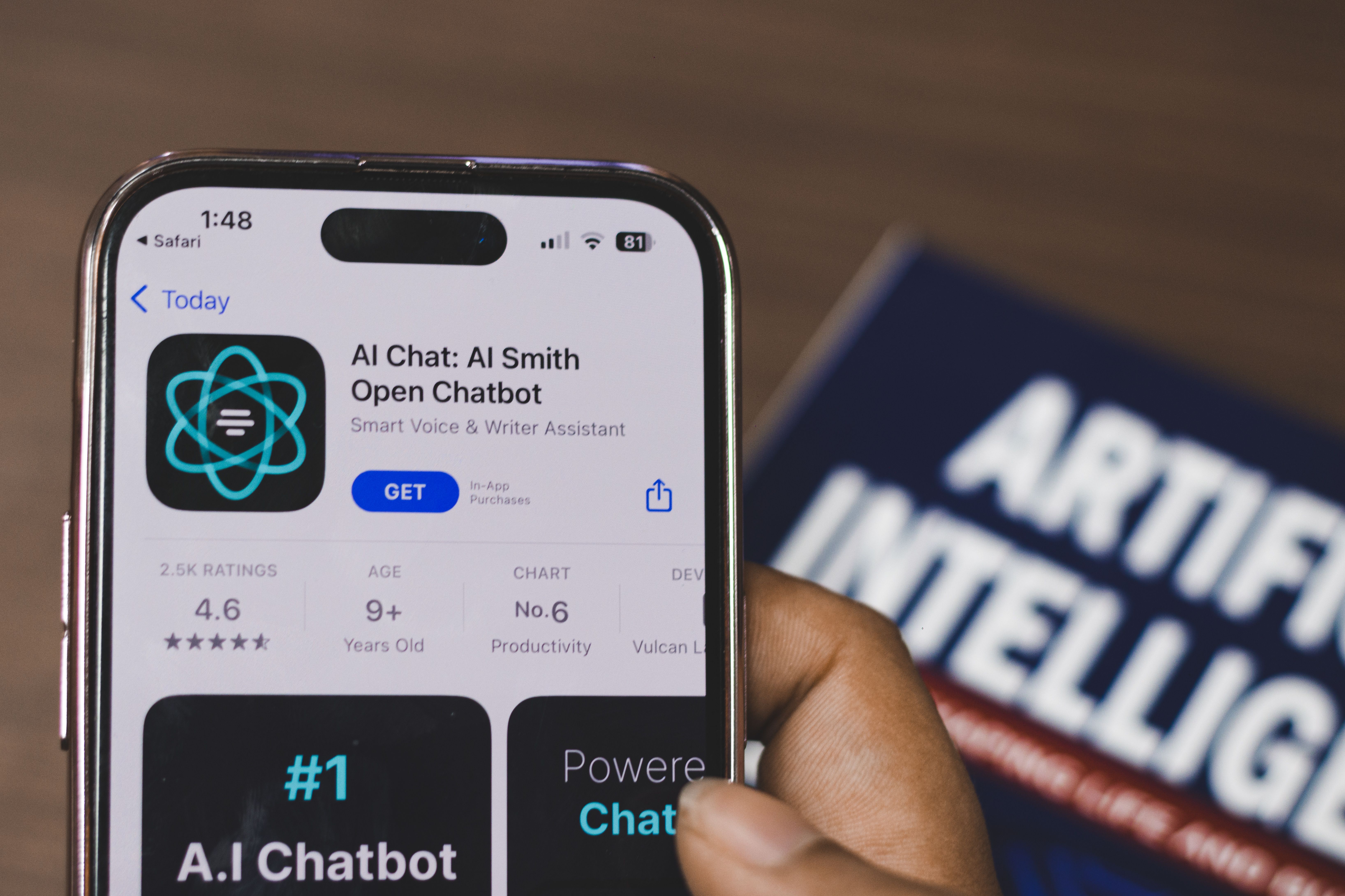
How AI Search Works: A Practical GEO Guide for Website Owners starts with a simple idea: search is becoming more conversational, and not every answer now appears as a classic list of blue links. Instead, AI search tools may generate a summary, combine several sources, and sometimes cite pages they used to help answer a query. For website owners, that changes how visibility is earned, measured, and understood.
This matters because AI-generated answers can influence discovery at the top of the journey, even when a user does not click immediately. Traditional SEO still matters, but it now sits alongside Generative Engine Optimisation (GEO), Answer Engine Optimisation (AEO), and broader AI visibility work. The practical goal is not to “beat” AI systems, but to make your content easier to understand, trust, retrieve, and attribute.
What AI search actually does
AI search is not one single system. Google AI Overviews, Google AI Mode, ChatGPT Search, Perplexity, Microsoft Copilot Search, Gemini, and Claude may each present information differently, use different source mixes, and change their interfaces over time. Some behave more like search engines with AI summaries; others feel closer to chat assistants with web access or answer synthesis.
In practice, an AI search result may do one or more of the following: answer a question directly, quote or paraphrase sources, show clickable citations, suggest follow-up prompts, or leave out sources entirely. That means website visibility in AI-generated answers is not the same as a traditional ranking position, a search impression, or a referral visit.
How AI-generated answers differ from traditional search
Traditional search usually presents a results page where users choose a destination. AI-generated search can compress that journey by summarising the topic first. A user may get a quick comparison, a definition, or a recommendation without opening several tabs.
That does not make classic search obsolete. Many queries still work better in conventional results, especially where users need product comparisons, local information, technical detail, or source checking. For website owners, the key difference is that AI systems may combine information from multiple pages and present it in a new format, which can affect how often users click through.
It also helps to separate the outcomes:
- A clickable citation can send a user to a source page.
- A text-only brand mention may build awareness without a click.
- A recommendation may appear in a generated answer, but it is not the same as endorsement.
- A referral visit is measurable traffic from a platform.
- An organic search impression is not the same as an AI citation.
- A traditional ranking is the position of a page in standard search results.
Where GEO and AEO fit into SEO
GEO and AEO are useful shorthand, but they are not fixed, universally standardised disciplines. In simple terms, GEO focuses on making content easier for generative systems to use, while AEO focuses on making content more useful for answer-driven experiences. Both sit on top of strong SEO foundations rather than replacing them.
That means content quality, crawlability, indexability, page structure, semantic relevance, and source credibility still matter. It also means entity optimisation is important: search systems need to understand who you are, what your site represents, and how your content connects to a topic or brand. Consistent business details, accurate author information, and clear editorial policies can help with that understanding.
If you want a useful baseline, a free website SEO audit can help spot technical and content issues that may affect discoverability before you make AI-specific changes.
What to optimise for: clarity, entities, and access
AI systems are more likely to work well with pages that are easy to interpret. That usually means concise headings, well-structured sections, accurate definitions, and evidence-backed claims. It also means writing for humans first. Content that is thin, repetitive, or packed with unsupported claims is risky for both readers and AI systems.
Entity optimisation is about making relationships clear. For example, if you run a local service business, your organisation name, location, services, and contact information should be consistent across your site and other trusted profiles. If you publish articles, authorship should be visible and credible. If you sell products, product details should be accurate and up to date.
Structured data can help machines understand page meaning, but it does not guarantee AI citations or inclusion. Use schema that reflects visible content and review it carefully. Google’s guidance on structured data for search is a sensible reference point for this work.
AI citations, brand mentions, and source authority
It is useful to monitor three things separately: whether your brand is mentioned, whether a citation links to your site, and whether the mention actually drives useful visits or enquiries. A brand can appear in an AI answer without a click. A citation can appear without a recommendation. A referral visit may arrive from an AI tool, but the path may not always be neatly labelled in analytics.
Because AI-generated answers may combine sources, the same query can lead to different citations on different days, accounts, regions, or product versions. This is why reputation and source authority matter. Clear product pages, helpful guides, trusted third-party mentions, and accurate brand information all strengthen your overall visibility profile, even though none of them guarantees inclusion.
For website owners who want to understand how Google frames AI features and helpful content, the official Google AI features documentation is a practical place to start.
Measuring AI search traffic and visibility
AI search analytics is still developing, so measurement can be incomplete. Some visits may appear as direct traffic, some as referral traffic, and some may be difficult to classify cleanly. That means you should not rely on one metric alone.
Instead, review a mix of signals: landing pages, referral sources, assisted conversions, branded search demand, recurring query themes, and whether your content is being surfaced accurately in AI-generated answers. If you publish product or service content, look at whether AI tools are surfacing the right description, the right location, and the correct benefit summary.
This is also where good content hygiene helps. AI-generated or AI-assisted content should be reviewed, edited, and fact-checked before publication. Hallucinations, duplication, weak sourcing, and outdated claims can damage trust and reduce usefulness for both readers and retrieval systems. A practical backlink and visibility strategy still has a place too, especially when it supports broader authority signals and discoverability, as outlined in Backlink Works’ backlink building process guidance.
A practical AI search checklist for website owners
You do not need to rebuild your whole site for AI search. Start with the essentials:
- Make sure important pages are crawlable and indexable.
- Keep page titles, headings, and summaries clear and descriptive.
- Use structured data that matches visible content.
- Strengthen author bios, About pages, and contact details.
- Check that key facts, pricing, and availability are current.
- Review whether content answers real user questions directly.
- Monitor referral traffic and brand mentions over time.
If you use WordPress or update content frequently, make sure your templates do not hide key information behind scripts, tabs, or images that are hard to interpret. Also review crawler access carefully. Search-engine crawlers, AI-related crawlers, training-related crawlers, and user-triggered retrieval systems are not the same thing, and their rules may differ. Before changing robots.txt or server controls, check current official documentation and test carefully.
Common mistakes to avoid
One of the biggest mistakes is treating AI search as a shortcut around SEO. Another is chasing citations with low-quality tactics such as fake mentions, keyword stuffing, mass-generated pages, or deceptive schema. These approaches can weaken trust and create technical or editorial problems.
It is also easy to overfocus on one platform. Google AI Overviews, Google AI Mode, ChatGPT Search, Perplexity, Copilot, Gemini, and Claude do not work identically, and their source selection, retrieval, and presentation can change. A balanced strategy is usually more useful: publish strong content, support it with trustworthy references, maintain technical health, and measure actual outcomes rather than assumptions.
Conclusion
AI search is changing how people discover information, but the fundamentals of useful publishing still apply. If your site is clear, accurate, technically accessible, and built around real user needs, you give generative systems a better chance of understanding and using your content. That said, no optimisation approach can guarantee inclusion, citation, or recommendation.
The best practical approach is to treat GEO, AEO, and AI visibility as an extension of good SEO rather than a replacement for it. Focus on clarity, credibility, and measurable value for readers, then watch how your brand appears across search and answer engines as the platforms continue to evolve.
Frequently Asked Questions
What is the main difference between AI search and traditional search?
Traditional search usually shows a list of results for the user to explore. AI search may summarise information first, combine sources, and present a direct answer with or without citations.
Does GEO replace SEO?
No. GEO can complement SEO, but it does not replace the need for crawlable pages, useful content, sound technical structure, and a strong site experience.
Can I make my website appear in ChatGPT Search or Google AI Overviews?
You can improve discoverability and source clarity, but you cannot guarantee inclusion or citation. Different queries and platforms may choose sources differently.
How should I track AI search visibility?
Look at referral traffic, branded search demand, page-level engagement, conversions, and whether your brand is mentioned accurately in AI-generated answers. Measurement is still incomplete, so use several signals together.
- Sponsored Ad -





