
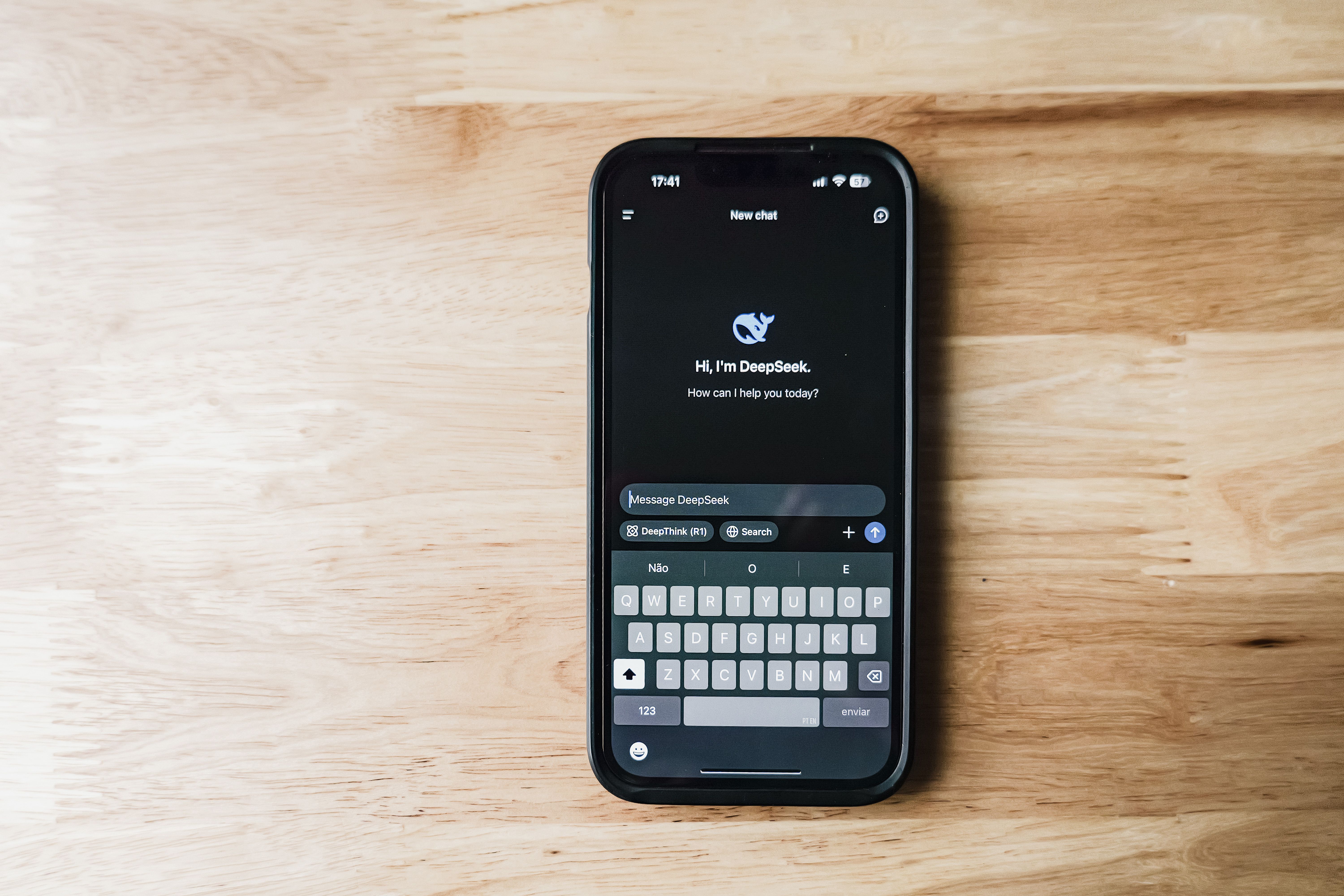
AI search is changing how people discover information, and that has practical implications for every website owner. In this guide to How AI Search Works: A Practical Guide for Website Owners, we will look at how AI-generated answers are produced, why citations and brand mentions matter, and what you can do to improve visibility without abandoning traditional SEO.
AI search does not replace search engines in a simple one-to-one way. Different systems may summarise, cite, or combine sources differently, so the goal is not to chase one fixed formula. Instead, website owners need a clear understanding of content quality, technical accessibility, entity clarity, and how their brand may appear across generative search and answer engines.
What AI search actually does
AI search is a broad term for search experiences that use large language models, retrieval systems, or other AI methods to answer questions in a conversational format. Instead of only showing a list of blue links, these systems may generate a direct response, add source references, or suggest follow-up questions.
Examples include Google AI Overviews, Google AI Mode, ChatGPT Search, Perplexity, Microsoft Copilot Search, Gemini, and Claude-based experiences. These platforms do not all work the same way. Some are more tightly linked to traditional search, while others are designed as answer engines that blend model output with web retrieval.
For website owners, the key point is that AI-generated answers can influence discovery before a user clicks through to a site. That makes visibility, attribution, and accuracy more important than ever.
How AI-generated answers differ from traditional search results
Traditional search usually presents ranked results, snippets, and supporting features such as featured snippets or local packs. AI search may instead combine information from multiple pages into one response. A user can ask a question in natural language, then refine it with more context, which is why conversational search is becoming more common.
This changes user behaviour. People may spend less time scanning multiple results and more time reading an answer summary, checking citations, or asking a follow-up question. In some cases, the answer may reduce clicks. In others, it may send qualified visitors who are already closer to taking action.
That means AI search traffic should be viewed carefully. A brand mention or citation is not the same as a referral visit, and a referral visit is not the same as an organic ranking. These are related, but they measure different things.
Why content quality and entity clarity matter
AI systems need signals that help them understand what a page, brand, or organisation is about. This is where entity optimisation comes in. An entity is a clearly identifiable person, business, product, or topic. Consistent names, accurate descriptions, and clear page purpose help search systems connect those signals across the web.
Strong content quality still matters. Helpful, original, well-structured pages are easier for both users and systems to interpret. That includes accurate claims, clear headings, source-backed information, and writing that answers the likely intent behind a query. AI content can help with drafting, but it still needs human review, fact-checking, and editorial judgement.
For practical support with foundational SEO work, a free website SEO audit can help identify technical and content issues that may also affect AI search visibility. Traditional SEO remains relevant because crawlability, indexability, and page quality still influence whether content can be discovered and understood.
Generative Engine Optimisation and Answer Engine Optimisation
Generative Engine Optimisation (GEO), Answer Engine Optimisation (AEO), and LLM visibility are evolving terms, and different marketers use them in slightly different ways. In general, they refer to improving the chances that content is understandable, accessible, and useful to AI-driven systems that generate answers.
These ideas are best treated as complements to SEO, not replacements. Good GEO or AEO work often overlaps with established practices: clear page structure, concise explanations, accurate schema markup, internal linking, and reputable mentions around the web. None of these guarantee inclusion in AI-generated answers, but they can make your content easier to interpret.
Structured data can help by clarifying page meaning. For example, article, organisation, product, or local business markup can reinforce what visible content already says. Google’s guidance on structured data explains that markup should reflect what users can actually see on the page.
What AI citations and brand mentions really mean
It helps to separate the different outcomes that people often group together:
- A clickable citation is a visible source link in an AI answer.
- A text-only brand mention names your site or company without a link.
- A product or service recommendation is when the system suggests your brand as an option.
- A referral visit is an actual click from the AI experience to your site.
- An organic search impression is visibility in traditional search results.
- A traditional search ranking is your position in the normal results list.
These signals are related, but they are not interchangeable. A brand can be mentioned without receiving traffic. A citation can appear without endorsement. And AI-generated answers can sometimes be incomplete, outdated, or inconsistent in how they attribute information.
That is why online reputation, source authority, and brand recognition matter. Clear author profiles, consistent business details, useful third-party references, and accurate pages across your site can all support discoverability. If you want to understand how links and mentions fit into broader visibility work, the ultimate guide to backlink building covers the role of credible references in a wider SEO strategy.
Technical access, crawlability, and measurement
AI search visibility is affected by technical accessibility. That includes crawlability, indexing, page speed, and whether important content is available to systems that retrieve web pages. Search-engine crawlers, AI-related crawlers, and training-related crawlers may have different purposes and rules, so website owners should check current official documentation before changing robots.txt or server settings.
It is also sensible to review structured data, canonical tags, internal links, and page templates. A well-built site makes it easier for systems to understand content consistently. However, allowing access to one crawler does not guarantee that a page will appear in every AI-generated answer, because retrieval and citation behaviour can vary by platform and query.
Measurement is still developing. Some AI-assisted visits may appear as direct, referral, or unclassified traffic depending on the platform and analytics setup. Useful checks include branded search trends, landing page performance, referral traffic, mention accuracy, and whether enquiries or assisted conversions are changing over time. Google’s own guidance on Search Console search analytics is a useful starting point for understanding search performance more broadly.
Common mistakes to avoid
One mistake is writing for machines instead of people. AI search still rewards pages that are genuinely useful, readable, and trustworthy. Another is assuming that adding FAQs or schema alone will force visibility. Those are supporting signals, not shortcuts.
A third mistake is creating large volumes of low-quality AI content without editorial oversight. That can lead to factual errors, thin coverage, duplicated ideas, and a weak brand experience. A better approach is to publish fewer, stronger pages that answer real questions thoroughly.
Finally, avoid treating one platform as representative of all others. Google AI Overviews, Google AI Mode, ChatGPT Search, Perplexity, Copilot, Gemini, and Claude may present sources differently, and their interfaces can change over time.
Conclusion
AI search works by combining retrieval, language generation, and source selection to produce answers that feel more conversational than traditional results pages. For website owners, the priority is not to chase every new interface, but to build content and technical foundations that help real users and make the site easier to understand.
That means focusing on helpful content, clear entities, accurate structured data, crawlable pages, and trustworthy brand signals. Traditional SEO remains essential, while GEO, AEO, and related ideas can help you think about how content may be surfaced in answer engines and AI-generated summaries. The most practical strategy is to improve the website itself, then measure what changes in visibility, citations, and meaningful traffic.
Frequently Asked Questions
Will AI search replace traditional SEO?
No. Traditional SEO is still needed for discovery, indexing, and organic visibility. AI search adds another layer, but it does not make core SEO work obsolete.
Can I guarantee that my site will be cited in AI answers?
No. There is no reliable way to guarantee citations or inclusion. Visibility depends on many factors, including relevance, quality, accessibility, authority, and the platform’s design.
Should I change my content strategy for AI search?
Usually, you should refine it rather than replace it. Focus on clearer answers, stronger structure, better source quality, and content that serves readers first.
How can I tell if AI search is sending traffic to my site?
Check referral traffic, landing page behaviour, branded search trends, and conversions. Some AI-driven visits may be hard to isolate, so measurement may need to combine several signals.
- Sponsored Ad -





