
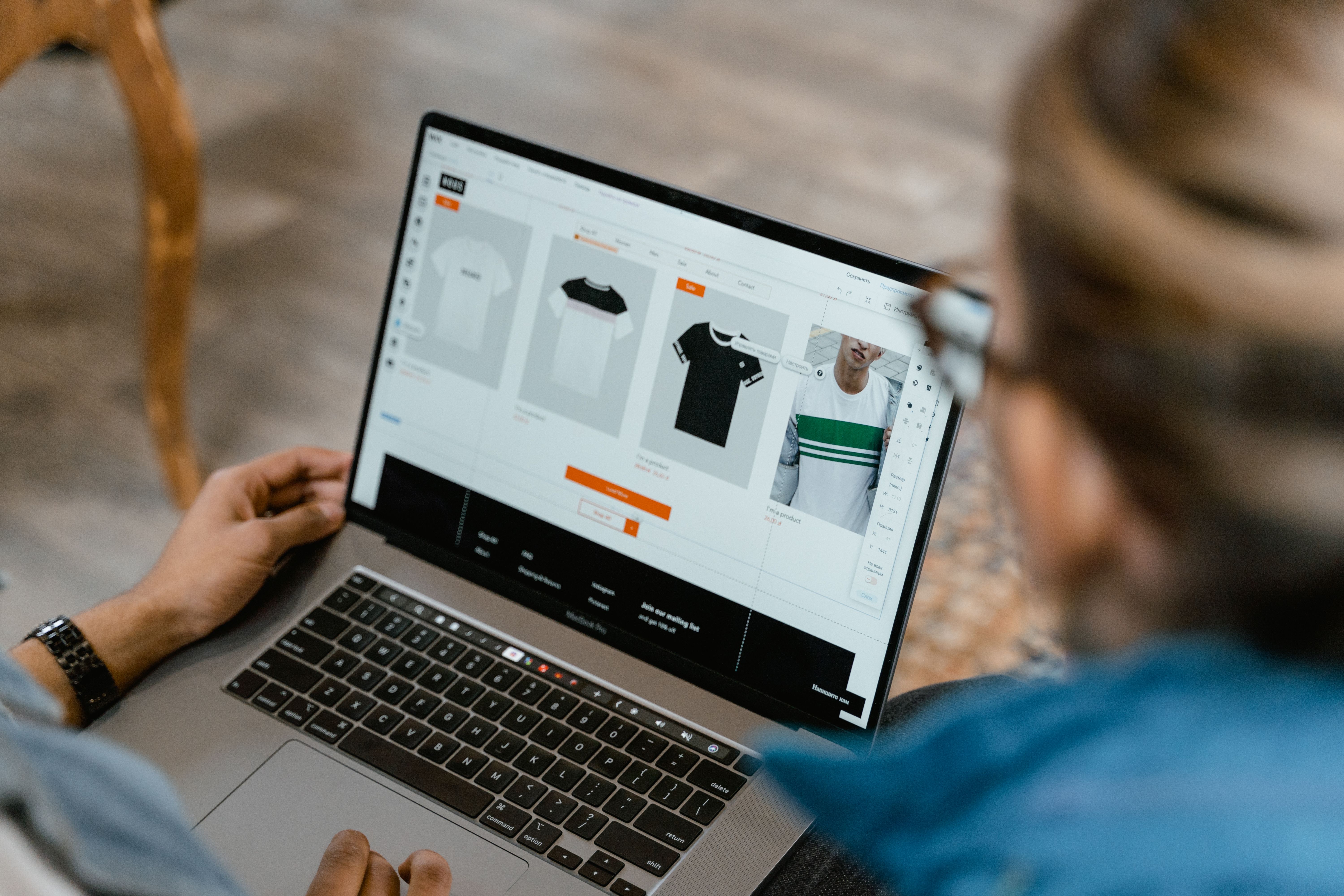
Choosing between AIOSEO vs Yoast SEO: Which WordPress SEO Plugin Fits You? is less about finding a universal winner and more about matching a plugin to your workflow, site structure, and technical needs. For many WordPress websites, the real question is how well the plugin supports careful on-page SEO, clean metadata, crawlability, and day-to-day content publishing.
A good SEO plugin can help you manage title tags, meta descriptions, XML sitemaps, canonical URLs, redirects, and schema markup more consistently. But it cannot replace solid content, sensible site architecture, fast hosting, or regular technical maintenance.
What a WordPress SEO plugin should help you manage
Most site owners use an SEO plugin to centralise key tasks that would otherwise be spread across theme files, custom code, or separate tools. That usually includes editing title tags and meta descriptions, setting default metadata for posts and pages, controlling indexing rules, generating sitemaps, and adding structured data where appropriate.
For a basic WordPress SEO setup, that convenience can be useful. It reduces the chance of duplicate settings across plugins or themes, and it can make it easier to keep important pages aligned with search intent. Still, the plugin is only part of the process. The page itself needs clear headings, useful copy, descriptive internal links, and images that are optimised for both accessibility and performance.
If you are still shaping your site architecture, it can help to review your content structure before changing SEO settings. WordPress categories, tags, pages, posts, and custom post types all serve different purposes, and they should not all be treated the same way in search. A plugin can support that strategy, but it should not define it.
AIOSEO vs Yoast SEO: how to compare them practically
A practical comparison starts with your workflow rather than feature lists alone. Some site owners prefer a simpler interface and a setup that feels straightforward. Others want more control over metadata, schema, redirects, or content settings. Both AIOSEO and Yoast SEO are widely used WordPress SEO plugins, but the right fit depends on how you publish and maintain your site.
When comparing plugins, check how each one handles core tasks such as titles, meta descriptions, canonical URLs, XML sitemaps, robots meta tags, and social metadata. If you run a blog, you may care most about editorial workflow and internal linking support. If you run a shop, you may care more about product page optimisation, category pages, and faceted navigation. If you manage a local business site, location pages and contact details may matter more than advanced content tools.
It is also worth checking whether a plugin overlaps with functions already handled by your theme, page builder, schema plugin, or caching tools. For example, installing two SEO plugins that both manage metadata and sitemaps can create duplicate tags or conflicting signals. WordPress site owners generally need one primary SEO plugin, not several overlapping ones.
For official product information, always check the current documentation from the plugin maker or the WordPress plugin directory, because interfaces and feature names can change over time.
On-page SEO, content optimisation, and internal linking
Both plugins are most useful when they support better content decisions. A title tag should describe the page accurately and reflect search intent. A meta description can help improve snippet clarity in search results, but it does not guarantee higher rankings. A readability or SEO score is only guidance; it should not override editorial judgement or the needs of your audience.
Content optimisation should stay natural. Use headings that explain the page structure, write for people first, and include keywords only where they fit naturally. Avoid keyword stuffing, repeated phrases, and thin pages built around near-duplicate topics. If you publish similar articles, think about consolidating them or improving the strongest page rather than creating many overlapping URLs.
Internal linking matters as well. Contextual links help both users and crawlers discover related content, and they can support the flow of authority across the site. Use descriptive anchor text that reflects the destination page. Menus, breadcrumbs, category archives, and related-post sections can also help, but they should feel useful rather than forced. For a deeper look at site-wide link strategy, see the Backlink Works guide to building stronger links.
Technical SEO checks before you switch plugins
Before migrating from one SEO plugin to another, back up the site and audit the current setup. Check what is already being output in the page source: title tags, meta descriptions, canonical tags, schema markup, robots directives, and sitemap URLs. If another plugin or your theme already handles any of these, plan carefully to avoid duplication.
This is also the right time to review crawlability and indexability. Crawling means search engines can access a page; indexing means they may include it in search results. A page can be crawlable but still not indexed because of noindex directives, weak content, duplication, poor internal linking, or other signals. An XML sitemap can help search engines discover preferred URLs, but it does not guarantee indexing.
Be cautious with robots.txt, because it controls crawler access rather than directly removing indexed pages. Likewise, a canonical URL is a signal about the preferred version of a page, not a command that forces search engines to obey it in every case. If you change permalinks or move content, use permanent redirects carefully and map old URLs to the closest relevant replacements. Avoid redirect chains, loops, or sending lots of removed pages to the homepage.
For site owners who want to check technical changes against broader SEO fundamentals, Google’s Search Central SEO starter guide is a useful reference.
When features matter most: ecommerce, local, multilingual, and migrations
Different sites need different priorities. WooCommerce stores often need careful handling of product pages, category pages, product schema, out-of-stock items, pagination, and filtered URLs. You usually do not want every parameterised or filtered URL indexed. Local businesses often need consistent business details, service pages, location pages, and content that clearly describes where services are offered. Multilingual sites may need a plan for translated content, hreflang, canonicals, and URL structure.
Website migrations deserve special caution. If you change domain, theme, permalink structure, or SEO plugin, preserve existing metadata where it still makes sense, test redirects, check sitemaps, and review robots settings after launch. Temporary ranking fluctuations can happen after major changes, so track the site in Google Search Console and analytics rather than relying on assumptions. Search Console can help you see whether pages are discovered, crawled, indexed, or affected by technical issues, but it does not guarantee inclusion in results.
Core Web Vitals, mobile usability, and site speed also matter. An SEO plugin can help you manage some technical settings, but it will not fix slow hosting, heavy scripts, oversized images, or a bloated page builder. Keep the site lean, test major changes on staging where possible, and avoid chasing plugin scores at the expense of usability.
Common mistakes to avoid during setup and migration
One common mistake is activating every available module without checking whether it is needed. Another is letting multiple plugins generate the same sitemap, schema type, or metadata. Some site owners also change titles and canonicals without checking the rendered page source, which can lead to confusion if the theme or another plugin overrides the setting.
Broken links, messy redirects, and inconsistent internal links can also create avoidable problems. If you remove content, review whether it still earns traffic, links, or conversions before pruning it. If you keep it, consider consolidating and refreshing it rather than deleting it blindly. For a broader website review, a structured audit can help you spot issues across metadata, indexing, redirects, content quality, and internal linking. A free starting point is the Backlink Works free website SEO audit.
Security should not be overlooked either. Malware, spam injections, or unauthorised redirects can damage trust and visibility, so keep WordPress core, themes, and plugins updated, use strong passwords, limit admin access, and maintain regular backups. If you ever replace or remove an SEO plugin, recheck the site afterwards to confirm that essential SEO signals are still intact.
Conclusion
The best choice between AIOSEO and Yoast SEO depends on your site, not on a universal rule. Start with your content workflow, technical setup, budget, and support needs, then choose the plugin that fits those realities without duplicating functions already handled elsewhere. Whether you run a blog, business site, or WooCommerce store, the plugin should support sound WordPress SEO practice, not replace it.
In the end, search performance comes from a combination of useful content, stable technical foundations, sensible site structure, crawlable pages, and ongoing maintenance. The plugin is a tool; the strategy still needs careful work.
Frequently Asked Questions
Is AIOSEO better than Yoast SEO for beginners?
It depends on the dashboard, guidance, and workflow you find easiest to use. Beginners should choose the plugin that helps them manage titles, descriptions, and indexing settings clearly without creating confusion or duplicate functionality.
Will installing an SEO plugin improve rankings automatically?
No. An SEO plugin can help you manage technical and on-page elements more effectively, but rankings still depend on content quality, site structure, crawlability, competition, and ongoing maintenance.
Can I use AIOSEO and Yoast SEO together?
It is usually best to use one primary SEO plugin. Running two full SEO plugins can create conflicting metadata, duplicate schema, sitemap problems, or overlapping canonical tags.
What should I check after moving from one SEO plugin to another?
Review titles, meta descriptions, canonicals, sitemaps, robots settings, redirects, and social metadata. It is also sensible to test key pages in Search Console and check the rendered source to make sure nothing important was lost or duplicated.
- Sponsored Ad -





