
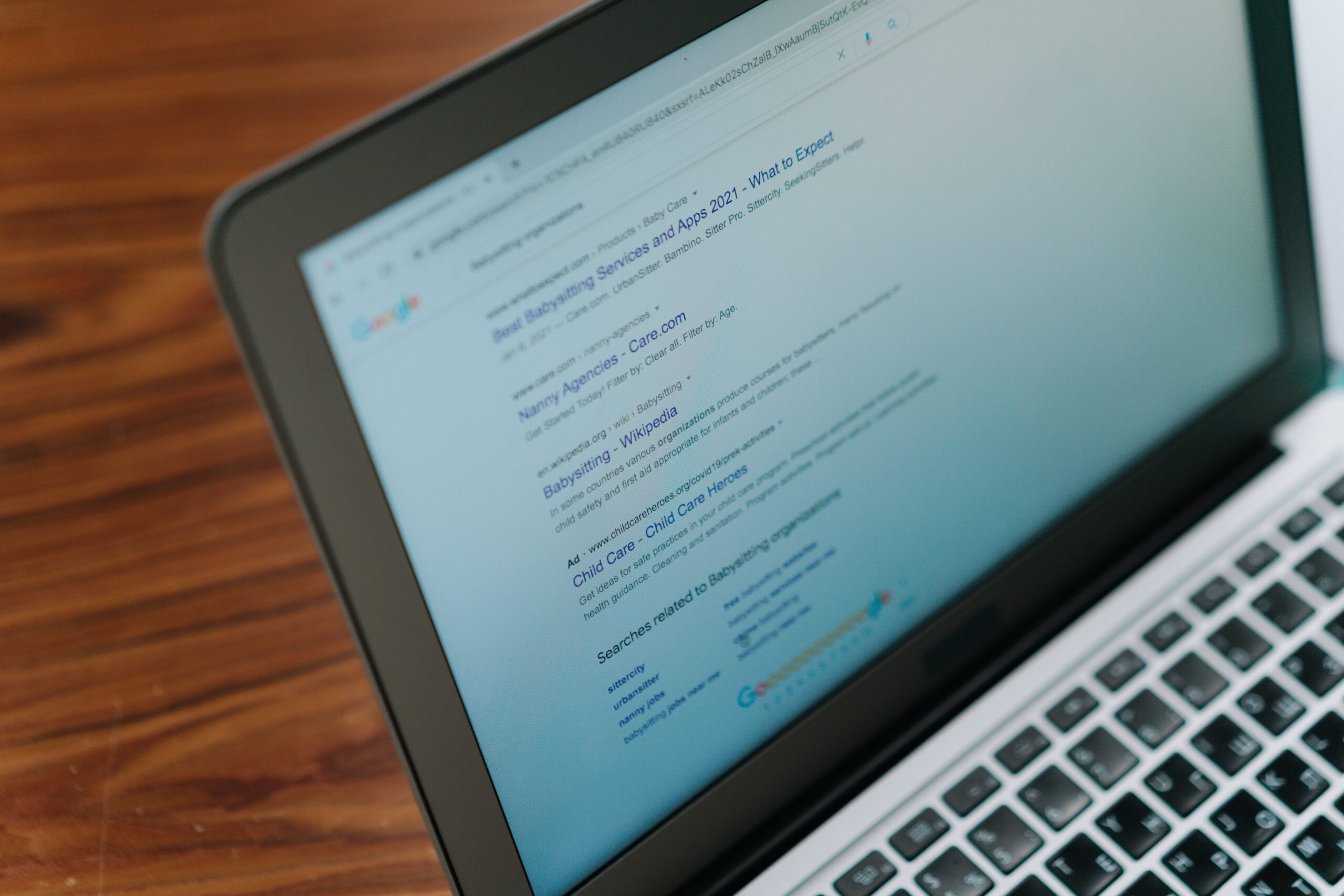
Anchor text is the visible wording used in a hyperlink, and it plays a bigger role in SEO than many site owners realise. Used well, it helps search engines understand what a page is about while also making links easier and more trustworthy for people to click.
If you are building backlinks, the safest approach is not to chase exact-match keywords in every link. Instead, aim for natural, relevant anchor text that fits the context of the page. That balance supports organic visibility, reduces risk, and keeps your link building aligned with white-hat SEO principles.
What anchor text means in SEO
Anchor text tells both users and search engines what to expect after clicking a link. In backlink building, it is one of the signals that helps search engines interpret relevance between the linking page and the target page.
This does not mean anchor text alone controls rankings. It works best alongside backlink quality, content relevance, and a sensible link profile. For a broader view of backlink strategy, the backlink building guide is a useful starting point for learning how links fit into overall SEO.
Why anchor text matters for safe link building
Search engines expect backlinks to look natural. That means the wording around your links should reflect how real people write, mention, and reference content. When anchor text feels forced or repetitive, it can make a backlink profile look manipulative.
Safe link building focuses on relevance, variety, and clarity. A good anchor text strategy can support organic ranking improvement, but it should never try to game the system. If you are reviewing whether your backlink approach is broadly safe, Google-safe backlinks is a helpful resource to understand the difference between natural and risky linking patterns.
Best practices for anchor text
The best anchor text strategy is simple: make links useful to people first, and keep them contextually relevant to the page. Here are the core best practices to follow.
- Use descriptive but natural wording that matches the content being linked.
- Mix exact-match, partial-match, branded, and generic anchors rather than repeating one phrase.
- Keep anchors short and readable instead of stuffing in multiple keywords.
- Link only where the destination genuinely adds value to the reader.
- Make sure the surrounding sentence supports the link naturally.
- Prefer relevant pages over random placements on unrelated sites.
For example, “learn more about on-page optimisation” is usually safer than forcing “best cheap SEO backlinks” into every link. Search engines can interpret the first as natural context, while the second may look over-optimised if repeated too often.
Common anchor text mistakes
Many SEO problems come from overdoing one style of anchor text or using links in ways that feel unnatural. Avoid these common mistakes if you want a safer, more sustainable backlink profile.
- Using the same exact-match keyword anchor across too many backlinks.
- Linking from pages that have little or no topical relevance.
- Choosing vague anchors that do not explain what the page is about.
- Ignoring the difference between dofollow and nofollow links.
- Assuming more links always means better results.
- Buying links without checking quality, placement, or context.
If you are evaluating how links are created and placed, the backlink building process can help you understand what a careful, manual workflow looks like.
Types of anchor text to use carefully
A healthy backlink profile usually includes a mix of anchor types. This variety helps the profile look natural and reduces the chance of looking overly optimised.
Branded anchors
These use your brand name, such as a company or blog name. Branded anchors are usually a safe option because they look natural and are common in genuine mentions.
Partial-match anchors
These include part of your target phrase, but not the full keyword. They can be useful when they fit the sentence and do not sound forced.
Generic anchors
Phrases like “read more”, “visit this page”, or “learn more” are common in natural linking. They are not especially descriptive on their own, so use them alongside relevant content.
Naked URLs
Sometimes the link is the page address itself. Naked URLs can be useful for natural variation, especially in citations, references, and casual mentions.
Both dofollow and nofollow links can be valuable in a natural profile. Nofollow links may not pass authority in the same way, but they can still support visibility, referral traffic, and a realistic link pattern. If your site needs more context around linking and discovery, the backlink indexing resource may also be useful when you are learning how crawlers find new backlinks.
Practical checklist for safe anchor text use
Use this checklist when reviewing your content, outreach, or backlink placements.
- Does the anchor text fit naturally into the sentence?
- Is the link relevant to the topic of the page?
- Have you avoided repeating the same keyword anchor too often?
- Does the link add value for the reader?
- Are the surrounding words clear and contextually useful?
- Is the overall backlink profile varied and balanced?
If you are also checking the wider health of your site before building links, a free website SEO audit can help you spot technical or on-page issues that may affect how backlink value is used.
Conclusion
Anchor text best practices are about balance, relevance, and trust. The safest SEO link building strategies use clear, varied anchor text that makes sense to real readers and supports the topic of the target page. When your links feel natural, they are easier to defend, easier to understand, and more likely to support long-term organic growth.
For website owners, bloggers, agencies, and businesses, the key is to build links with care rather than force. Backlink Works can be a useful backlink building and SEO learning resource as you refine your approach, but the real value comes from consistent, white-hat practices that put users first.
Frequently Asked Questions
What is the safest type of anchor text for backlinks?
Branded and natural phrase-based anchors are usually the safest because they look genuine and are easy to fit into content. Exact-match keywords can still be used, but they should be limited and supported by a varied backlink profile. Natural context matters more than forcing keywords into every link.
How many exact-match anchors should I use?
There is no universal number, and it is better not to treat anchor text like a formula. Use exact-match anchors sparingly and only when they fit naturally. A backlink profile with too many repeated keyword anchors may look manipulative, especially if the links come from similar sources.
Do nofollow backlinks help with anchor text strategy?
Yes, because they still contribute to a natural-looking link profile and can bring referral traffic or brand visibility. While they may not pass authority in the same way as dofollow links, they can still support a balanced SEO strategy and reduce the appearance of over-optimised link building.
Can anchor text alone improve rankings?
No, anchor text is only one part of SEO. Search engines also consider content quality, topical relevance, site trust, technical health, and the quality of the referring page. Anchor text works best when it is part of a broader, safe link building strategy rather than a shortcut.
- Sponsored Ad -





