
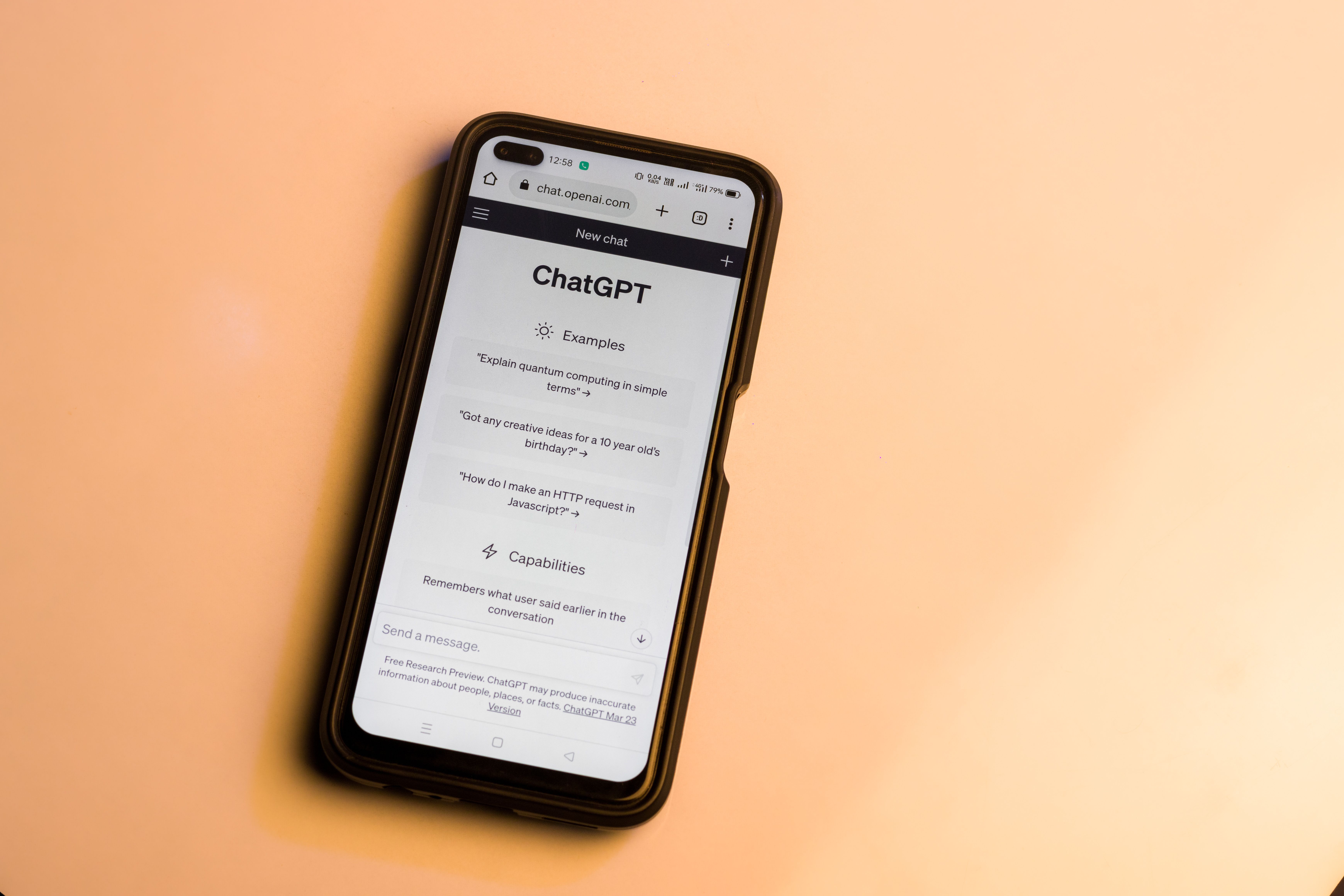
Google AI Mode and related AI search features are changing how people discover information, compare options, and click through to websites. If you are researching How to Appear in Google AI Mode: A Practical SEO Guide, the most useful starting point is to understand that AI-generated answers do not work exactly like traditional search results. They may summarise information, combine sources, and present a response that reduces the need for a click, depending on the query and interface.
That does not make SEO obsolete. It does mean website owners need to think more carefully about content quality, technical access, entity clarity, and how their brand may be understood by search systems that use generative retrieval or answer-style presentation. The aim is not to “game” AI search, but to make your site easier to discover, interpret, and trust.
What Google AI Mode means for search visibility
Google AI Mode is part of a wider shift towards AI-assisted search experiences, where users can ask conversational questions and receive a generated response rather than only a list of blue links. Google AI Overviews follow a similar pattern in some searches, while other platforms such as ChatGPT Search, Perplexity, Microsoft Copilot Search, Gemini, and Claude may present information in different formats and with different source attribution.
This matters because visibility is no longer just about traditional rankings. A page may appear in organic search, be cited in an AI overview, be mentioned without a clickable link, or be used indirectly as source material. These are related but not identical outcomes. A citation is not the same as a recommendation, and a brand mention is not the same as referral traffic.
For a practical overview of Google’s own guidance on helpful content and search appearance, it is worth reviewing the Google guidance on creating helpful content.
Build the foundations before chasing AI citations
The strongest starting point is still standard SEO. AI search systems cannot help users with content they cannot find, crawl, or understand. That means your site should be indexable, fast enough to render properly, and structured so search systems can identify the main topic, author, and page purpose.
Focus on clear page titles, descriptive headings, accurate copy, and internal links that help both people and crawlers move through your site. If your pages are blocked accidentally, loaded poorly on mobile, or written in a vague way, they are less likely to support discoverability in either traditional search or AI-generated answers.
For technical checks, Google’s robots.txt introduction for crawling and indexing is a sensible reference point before changing crawl rules. If you are unsure, test carefully and keep a backup of the current configuration.
Checklist for a solid baseline
Make sure important pages can be crawled and indexed. Keep content visible in the HTML, not only inside scripts or images. Use structured data where it accurately reflects the visible page. Keep business details, author information, and contact information consistent across the site. Then check Search Console and analytics to confirm that key pages are being discovered as expected.
Write content that AI systems can interpret accurately
Generative search systems tend to work better with clear, specific, well-sourced content than with vague marketing language. That means answering the question directly, using defined terms, and supporting claims with evidence or practical explanation. A useful page should serve human readers first, but also make it easier for systems to identify the topic, entity, and context.
This is where Generative Engine Optimisation, Answer Engine Optimisation, LLM visibility, and AI SEO are often discussed. These terms are still developing, and people use them differently, but they generally point towards the same idea: improving how content is understood and surfaced by answer engines and large language model-driven search experiences.
Good practice includes explaining one idea per section, using plain language, and avoiding unsupported claims. If you use AI-assisted content creation, review it carefully. AI-generated drafts can be useful, but they may contain factual errors, generic phrasing, duplication, or outdated information. Editorial responsibility still matters.
Content qualities that help discovery
Answer the query clearly. Include original insight, examples, or process detail. Use the same terminology a searcher would naturally use, but also explain related terms such as semantic search, entity optimisation, and structured data. Update content when facts change, especially where product features, platform interfaces, or policy details are involved.
Use entities, brand signals, and structured data responsibly
Entity optimisation means making it easier for systems to understand who you are, what you do, and how your site connects to other known information. In practice, that involves consistent business names, author profiles, organisation details, and clear page relationships. It is not a hidden switch, and it does not guarantee inclusion in AI answers.
Structured data can help clarify page meaning, especially for articles, products, organisations, local businesses, and profile pages. Used correctly, it supports machine understanding. Used badly, it can create eligibility or trust problems. Only mark up what is genuinely visible on the page, and do not add misleading reviews, ratings, or fake FAQ content.
For organisation-level clarity, Google’s organisation structured data guidance is a practical place to start. If your business information changes, update it consistently across your site, profiles, and directories.
Understand citations, mentions, and traffic in AI search
AI-generated answers can present source information in several ways. A clickable citation may send referral traffic. A text-only brand mention may improve awareness without a click. A recommendation might influence user behaviour without being directly measurable. Traditional organic impressions and search rankings are separate again.
This makes measurement more nuanced. Some AI-assisted visits may appear as referral traffic, some as direct, and some may be difficult to attribute cleanly. Different platforms also behave differently. Google, OpenAI, Perplexity, Microsoft, Gemini, and Claude do not operate identically, and their interfaces, source presentation, and reporting options may change over time.
That is why AI search analytics should focus on useful signals rather than vanity metrics. Look at landing pages, branded search trends, referral visits where visible, assisted conversions, and recurring question themes. If a page is cited but produces no meaningful visits or enquiries, the citation may be useful for visibility but not necessarily for commercial performance.
Technical accessibility and crawler access still matter
AI visibility depends partly on technical accessibility. Search-engine crawlers, AI-related crawlers, training-related crawlers, and user-triggered retrieval systems may all be involved in different ways, but they do not behave as one single system. Allowing access to one crawler does not guarantee visibility in an AI answer, and blocking one crawler does not remove every reference to your content elsewhere.
Before changing robots rules, server settings, or page-level directives, check current official documentation and test carefully. Use crawl data, logs where available, and Search Console to identify whether important pages are being seen and indexed as expected. If pages are hidden behind scripts, forms, or complex navigation, they may be harder for systems to process reliably.
For website owners who want a practical starting point, a free website SEO audit can help identify crawlability, structure, and on-page issues that affect both traditional search and AI discoverability.
How to approach Google AI Mode without overreacting
The best response to Google AI Mode is not to rewrite everything for machines. It is to strengthen the parts of SEO that already support visibility: useful content, fast and accessible pages, strong entity signals, reliable internal linking, and honest brand presentation. Traditional SEO and AI search optimisation work best as complements, not competitors.
Keep an eye on how search behaviour changes for your audience. Informational queries may be answered directly more often, while product, local, and comparison queries may still drive clicks to websites. AI-generated search features may reduce, increase, or redistribute traffic depending on the query and presentation, so avoid assuming one universal outcome.
If you are building authority through content and links, a structured approach such as the Backlink Works guide to backlink building can support broader visibility efforts, provided it is used alongside quality content rather than as a shortcut.
Conclusion
Appearing in Google AI Mode is less about chasing a single ranking trick and more about building a site that is clear, crawlable, credible, and useful. The same qualities that support strong SEO also give AI search systems more confidence in your content, even though no method can guarantee citations or inclusion.
For most websites, the practical goal is to improve discoverability across both traditional search and generative search. That means publishing accurate content, maintaining technical health, monitoring brand mentions and referral patterns, and updating your strategy as platforms evolve. Useful content still wins the long game.
Frequently Asked Questions
Can I optimise a page to guarantee inclusion in Google AI Mode?
No. You can improve discoverability and clarity, but inclusion in AI-generated answers is not guaranteed and may vary by query, content quality, and platform behaviour.
Is structured data enough to appear in AI Overviews or AI Mode?
No. Structured data can help search systems understand your page, but it does not guarantee citation, ranking, or selection in AI-generated responses.
Should I change my SEO strategy completely for AI search?
No. Strong technical SEO, helpful content, and brand clarity remain important. AI search should be treated as an extension of good SEO, not a replacement.
How can I tell whether AI search is sending traffic to my site?
Check referral traffic, landing pages, branded searches, and assisted conversions in your analytics. Attribution may be incomplete, so combine several signals rather than relying on one report.
- Sponsored Ad -





