
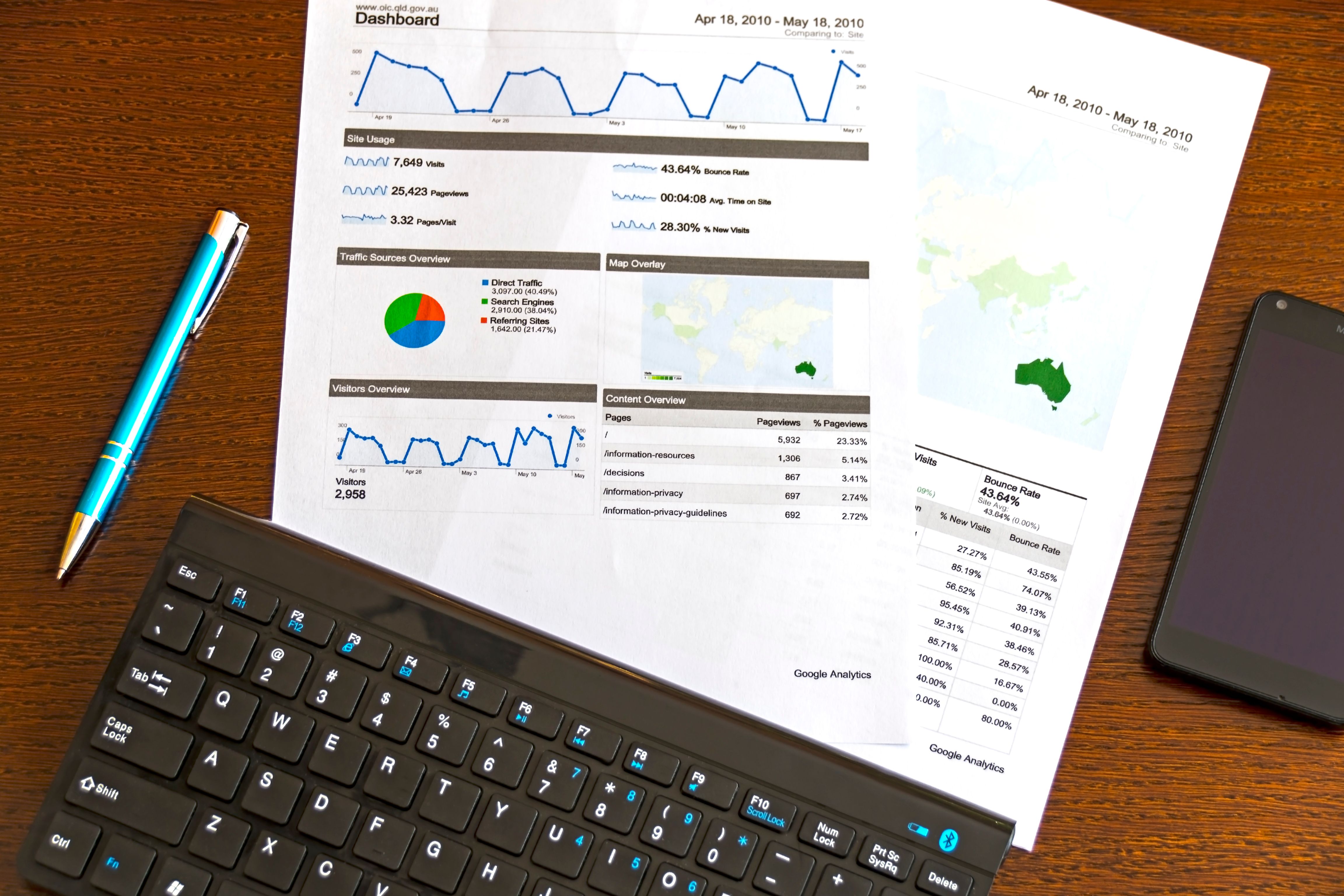
Backlinks remain one of the most important signals in SEO, but they only help when they are relevant, trustworthy, and properly discovered by search engines. A link-building campaign is therefore not just about getting links; it is about earning or placing links in the right places, monitoring their quality, and making sure they can be crawled and indexed.
This practical guide explains how backlink indexing and link building work together, how to assess backlink quality, and how to run safer campaigns that support long-term organic visibility. If you want a structured learning path, the backlink building guide is a useful starting point alongside the advice below.
What backlink indexing means
Backlink indexing is the process of getting a search engine to discover and store a page that contains your backlink. If a link is not indexed, it may still exist for users, but it is less likely to pass SEO value consistently because search engines have not fully processed it.
Indexing is not the same as ranking. A backlink can be indexed and still provide little benefit if the page is weak, irrelevant, duplicated, or placed on a low-quality source. That is why indexing should be treated as part of a broader quality-first strategy, not a shortcut.
How link building campaigns should be planned
A good link-building campaign begins with a clear goal. Some websites need stronger authority, while others need relevance around a specific topic, service, or location. Bloggers may want editorial mentions, while agencies may focus on building a balanced profile for client websites.
The safest campaigns usually combine content quality, outreach, and careful placement. Instead of collecting links from anywhere, focus on pages that match your audience and offer a believable reason to link. A well-planned backlink building process helps keep this work organised and reduces the risk of poor-quality links.
In practical terms, campaign planning should answer these questions:
- What pages need links and why?
- Which topics or keywords should those pages support?
- What type of links are realistic: editorial, resource, guest content, citations, or mentions?
- How will success be measured beyond rankings alone?
What makes a backlink valuable
Not every backlink carries the same value. Search engines look at context, source quality, placement, and relevance. A single link from a respected, topically relevant page can be more useful than many weak or unrelated links.
Relevance and context
Links should make sense in the content they appear in. If you run a local accountancy website, a link from a business advice article is usually more useful than one from an unrelated hobby blog. Relevance supports trust and makes the link look natural.
Authority and trust
Authority is not the only factor, but it matters. Strong domains, reputable publications, and well-maintained sites often provide better signals than thin or neglected websites. If you want to evaluate authority, tools such as Ahrefs can help you review backlink profiles and link quality indicators.
Anchor text and placement
Anchor text should be natural and varied. Over-optimised anchors can look manipulative, especially if every link uses the same exact phrase. In most campaigns, branded, partial-match, and descriptive anchors are safer than repetitive keyword stuffing.
Placement also matters. Links in the main body of useful content usually carry more context than links placed in footers, sidebars, or long link lists with little surrounding explanation.
Backlink indexing and crawl discovery
Even strong links may take time to be discovered. Search engines need to crawl the page, understand it, and decide how it fits into their index. That is why link indexing is closely tied to crawlability, site quality, and source stability.
For links that are new or difficult to discover, indexing support can help search engines find them more efficiently. A dedicated backlink indexing resource can be useful when you are trying to understand the discovery process more clearly, especially for campaigns where the source pages are not frequently crawled.
It is important to remember that indexing support is not a substitute for quality. If the link source is weak, irrelevant, or unstable, indexing it faster does not make it valuable. The goal is to improve discovery for links that are already worth having.
Safe backlink buying and commercial link building
Many website owners and agencies look at commercial link-building options when outreach alone is too slow or too inconsistent. That is understandable, but safety matters. Any bought backlink should still meet quality standards, fit the topic, and avoid obvious patterns that could create risk.
When assessing commercial options, ask whether the links are relevant, how they are placed, whether the pages are indexable, and whether the traffic profile looks natural. Educational resources such as Google-safe backlinks can help you think more carefully about risk, natural growth, and white-hat practices.
If you are comparing services, avoid chasing volume alone. A smaller number of well-placed links is usually easier to manage and far safer than a large batch of unrelated placements.
Practical checklist for a safer campaign
Use this checklist before you launch or review a backlink campaign:
- Choose target pages that are useful and worth linking to.
- Check that the linking site is relevant to the topic or audience.
- Review whether the source page is indexable and crawlable.
- Use natural anchor text and avoid repeating the same phrase.
- Mix dofollow and nofollow links in a way that looks realistic.
- Prefer editorial placement over sitewide or hidden placement.
- Track new links in Search Console or another SEO tool.
- Review whether indexed links are actually supporting the target page.
For ongoing learning and campaign planning, the Backlink Works site can also serve as a practical backlink building resource when you need a straightforward overview of safer off-page SEO methods.
Common mistakes to avoid
- Buying links only because they are cheap or fast.
- Using exact-match anchor text too often.
- Focusing on link count instead of source quality.
- Ignoring whether a backlink page is actually indexed.
- Building links to weak pages that do not deserve attention.
- Expecting backlinks alone to fix technical or content problems.
These mistakes can waste budget and reduce trust. If rankings are already being held back by site issues, a free website SEO audit is a sensible first step because it can highlight technical and on-page problems before you scale link building.
Best practices for long-term organic growth
Good backlink campaigns support organic growth rather than trying to force it. That means building links gradually, keeping content useful, and reviewing the quality of each source before it goes live.
- Build links to pages that match real search intent.
- Use content-led outreach wherever possible.
- Monitor link indexation over time, not just on day one.
- Keep your backlink profile varied and natural.
- Update your target pages so they deserve the links they receive.
These habits are especially important for business websites, agencies, and blogs that want stable results rather than short-lived gains. If you need more structured learning, backlink questions can answer common concerns about safety, indexing, and timelines without pushing you toward risky shortcuts.
Conclusion
A practical backlink and link-building campaign is not about collecting as many links as possible. It is about earning or placing relevant links, checking that they can be indexed, and making sure the overall profile looks natural and trustworthy. When the process is planned well, backlinks can support visibility, authority, and long-term organic improvement.
Focus on quality, relevance, and steady progress. Avoid spammy tactics, review your backlinks regularly, and treat indexing as part of a wider SEO workflow rather than a standalone trick. That approach is safer, more sustainable, and much easier to defend over time.
Frequently Asked Questions
What is the difference between a backlink and an indexed backlink?
A backlink is any link from another site pointing to your page. An indexed backlink is one search engines have discovered and stored in their index. Indexing matters because search engines cannot fully evaluate a link they have not crawled and processed.
Do nofollow backlinks still help in a campaign?
Yes, they can still be useful. Nofollow links may not pass the same direct signal as dofollow links, but they can bring referral traffic, support brand visibility, and make a backlink profile look more natural. A healthy mix is often more realistic than using only one type.
How long does it take for backlinks to be indexed?
There is no fixed timeline. Some pages are discovered quickly, while others take longer depending on site authority, crawl frequency, and page quality. The safest approach is to build strong links first and then monitor indexation rather than expecting immediate discovery.
What should I check before buying backlinks?
Check relevance, source quality, placement, indexability, and anchor text. Avoid any service that promises unrealistic results or uses obvious spam. It is safer to review the link source carefully and choose a provider that follows white-hat, transparent methods.
- Sponsored Ad -





